
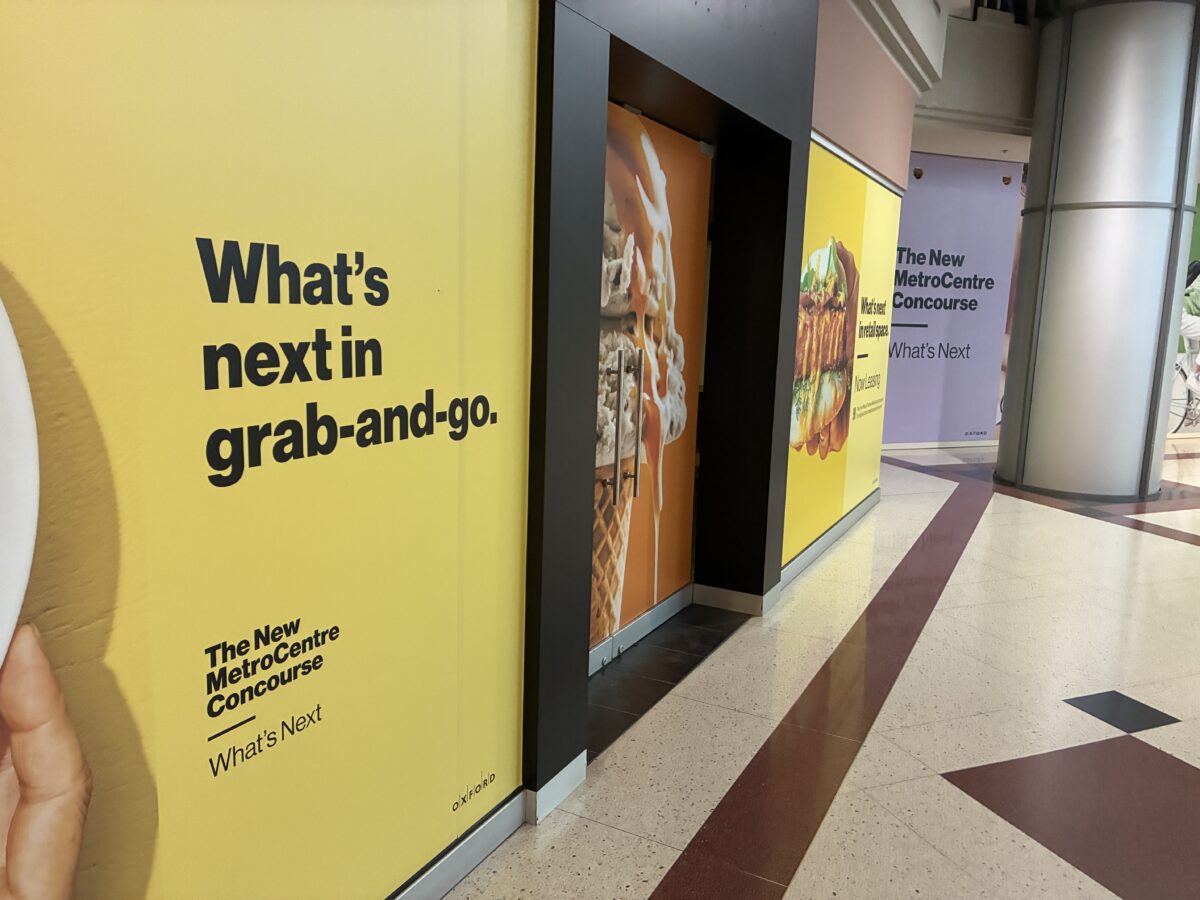
Egg Club is expanding into Toronto’s underground PATH network, with a new location set to open inside the redesigned MetroCentre Concourse food court. The move follows what founder Jaeseon Yu describes as a breakout run at the brand’s Union Station location, and it lands at a moment when Oxford Properties is reworking the tenant mix from the ground up.
“Union Station has been such a success for us, and we love MetroCentre Concourse because of how central it is,” Yu said. “It sits right in the middle of downtown, inside the PATH. We also know there is real opportunity there, since a lot of the people working in that area do not leave the building for breakfast or lunch. It is a different crowd than Union Station, but it is exactly the market we are built for.”
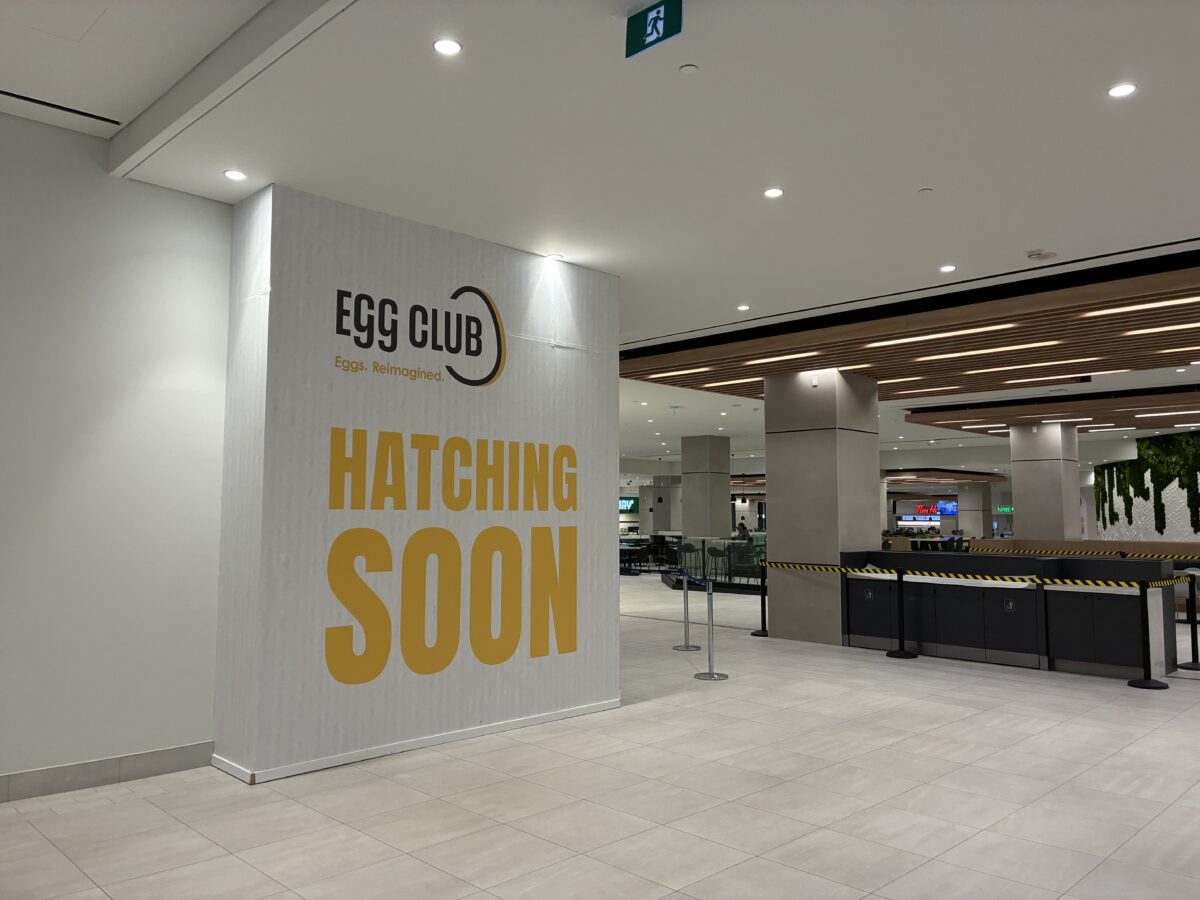
The redesign underway at MetroCentre played directly into Egg Club’s decision. Yu explained there was little hesitation once the space was presented.
“That was one of the key reasons we said yes,” Yu added. “When they presented the location, there was no second guessing. It is a newly designed food court, and they wanted to bring in new brands to match that. It worked both ways. They wanted something fresh, and we wanted a chance to try a slightly different business model.”
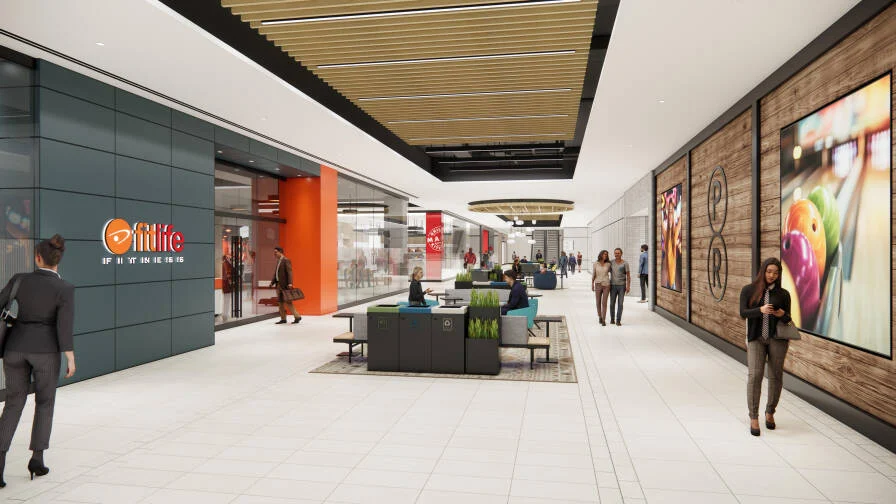
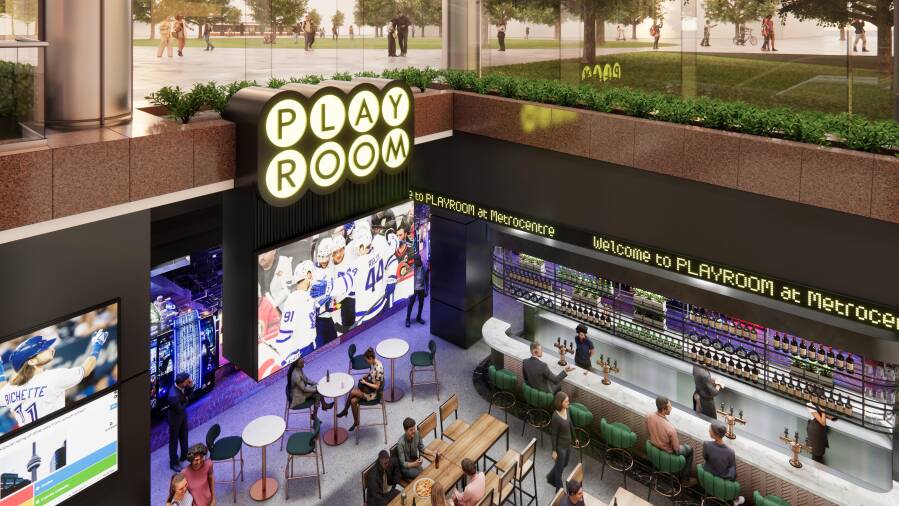
Union Station remains the clearest proof of what a PATH location can do for the brand, but Yu is quick to point out that the brand itself never sits still. Construction and re-merchandising inside Union Station are a constant, and providing value to that crowd has meant treating the menu as something to keep adjusting rather than a fixed formula.
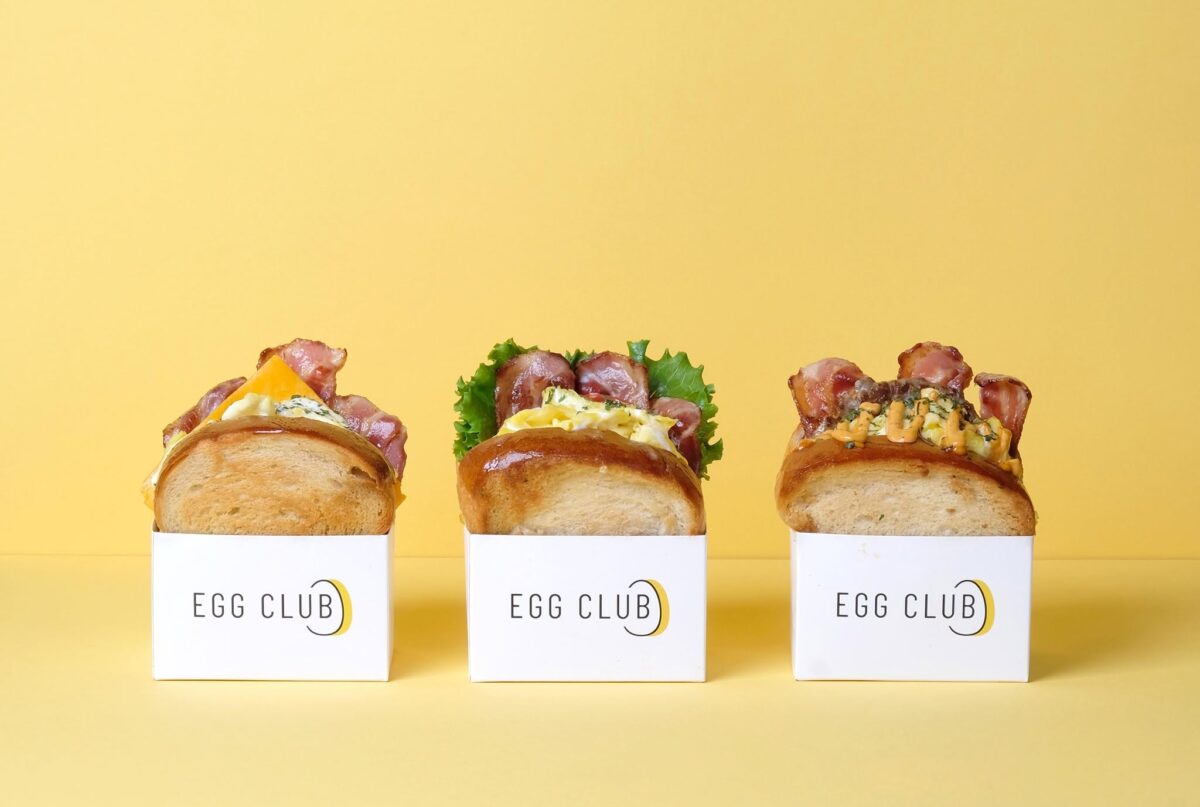
“Across the whole brand, not just at Union Station, we are focused on value right now,” Yu noted. “We launched a wrap at $6.99, and a big part of that decision was Union Station specifically. There is so much foot traffic through there, and people want something they can grab and eat with one hand on their way to a train. We wanted a product built for that. It is more value and easier grab and go, and our data told us that was exactly what Union Station customers were asking for.”
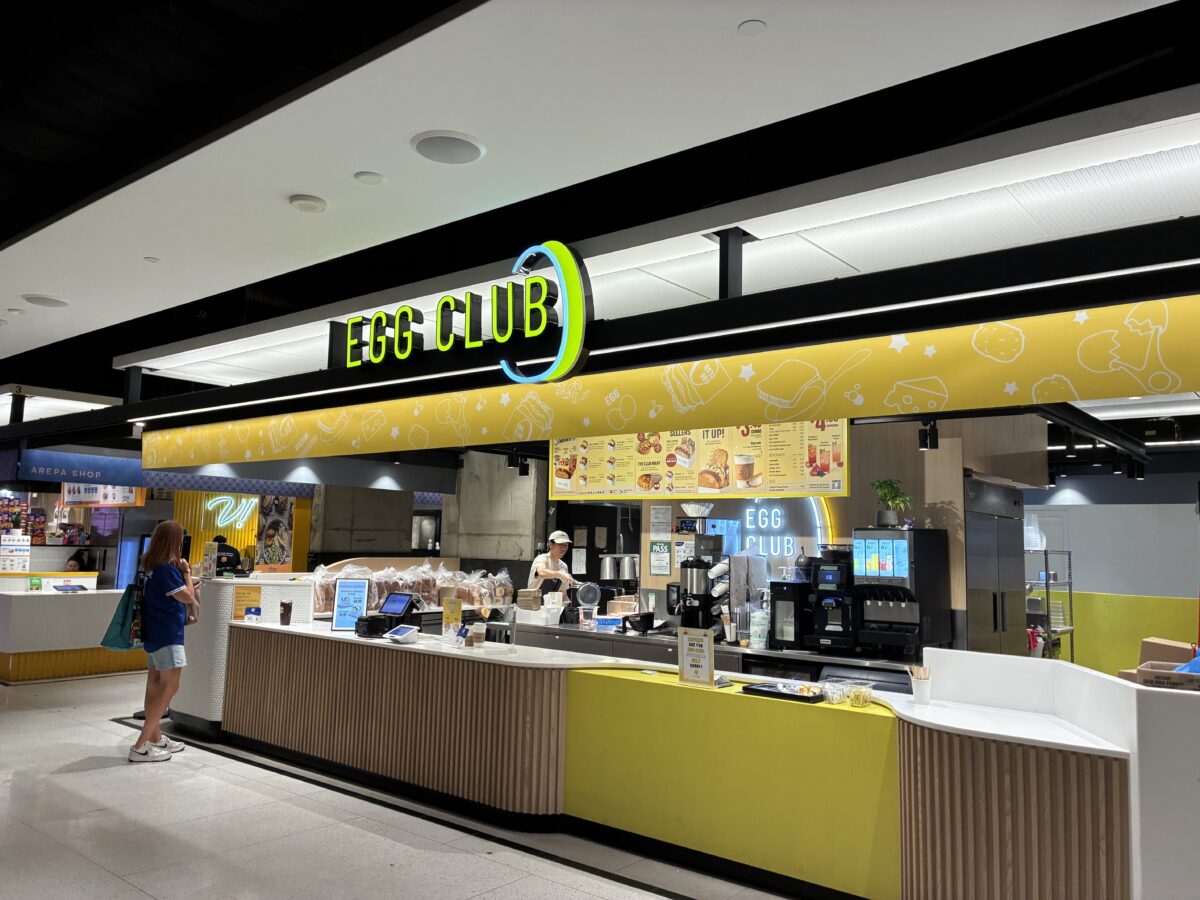
That same value positioning runs through the rest of the menu. Alongside the wrap, Egg Club has rolled out a $4.99 Classic menu tier and other lower priced items, part of what Yu frames as a long running effort to hold the line on quality without pushing prices up to match it.
“Back in 2018, when I first had the idea for Egg Club, a lot of customers were going to fast food chains for a quick breakfast where the quality just was not there,” Yu recalled. “That gap is what led us to build a business around quality food at a real value, and we have stayed with that. We never want to sacrifice quality to hit a price point. We want to create everyday value, not something you try once and forget. If a sandwich leaves you feeling too heavy to think about coming back for a month, that is a problem. Ours should be light enough that you want it again the next day. Quality and value have to work together, and that will always be true for this business.”
MetroCentre Concourse arrives as Egg Club’s footprint keeps widening well beyond downtown Toronto. The chain opened its first location on Dundas Street East in September 2020 and has since grown to ten operating locations across Ontario and Alberta, including a recently opened Edmonton store, according to the company’s own site. As of earlier this year, Yu had said the brand was targeting around fourteen locations before the end of 2026, part of a long stated goal of reaching 300 locations across the country. He also mentioned the company has started early conversations about a presence south of the border, though nothing concrete has been decided.
Some of that growth is happening in places that have nothing to do with a storefront lease at all. Egg Club has returned to the CNE Food Building every summer since 2024, a booth Yu treats less as a sales opportunity and more as an introduction for an entirely new set of customers.
“We wanted to put ourselves in front of people who had never heard of Egg Club, and that was the main reason we went into the CNE,” Yu explained. “We also landed a great spot, right on a corner, one of the biggest in the building.”
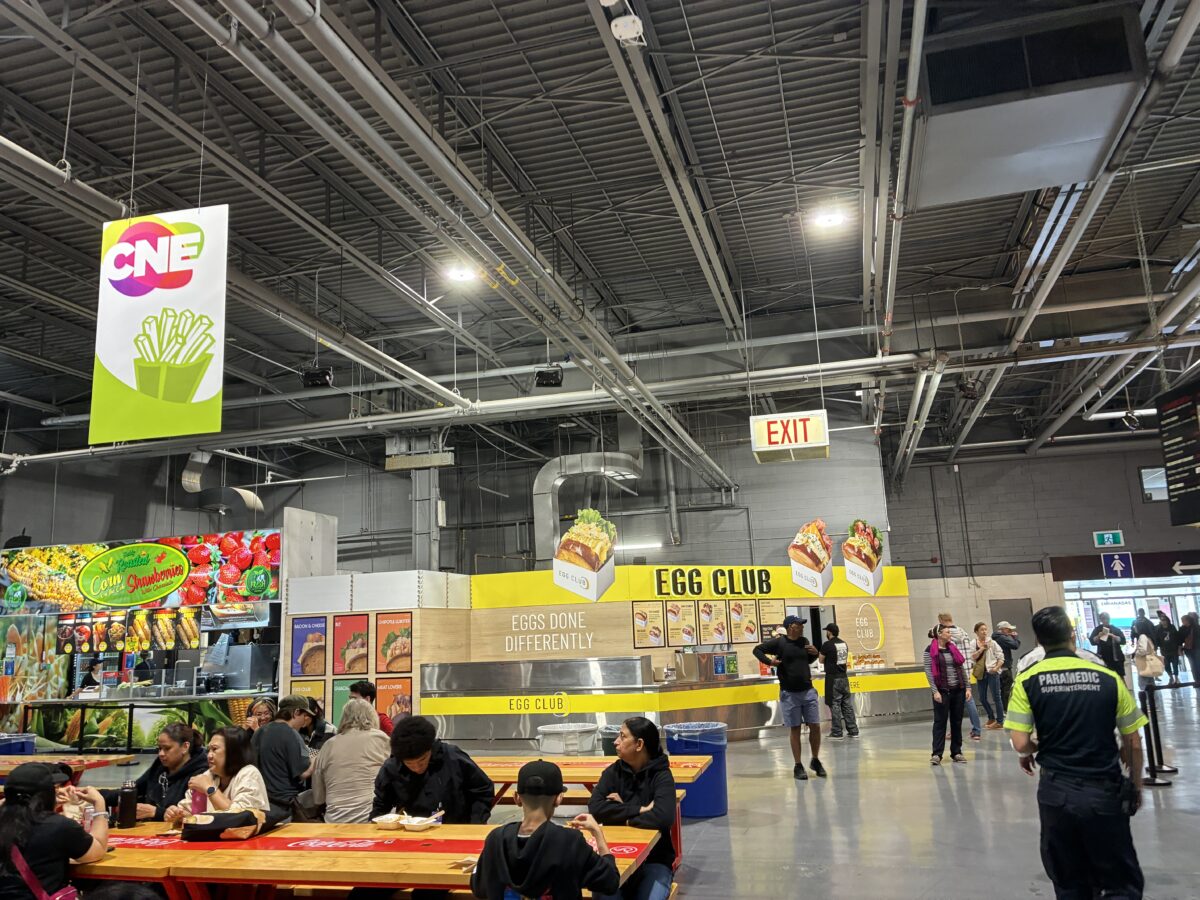
The festival format ended up teaching the brand something it plans to carry back into its permanent locations.
“It taught us a lot about marketing,” Yu continued. “A regular store just needs good design, and we already have a blueprint for that. The CNE is a different animal, because there are so many other vendors competing for the same attention, and you have to grab people fast. This year we brought in a realistic mock sandwich display, ordered from Japan, and it worked incredibly well. People were amazed at how real it looked. We are already planning to bring that into our regular stores to catch people walking by. We also hung three large sandwich photos from the ceiling. Those are the kinds of lessons we can take beyond the CNE and into malls and food courts, anywhere we need to catch someone’s attention fast.”
Growth on this scale has also put Egg Club in more direct proximity to competitors than it faced a few years ago, most recently with Eggslut’s arrival on King Street and a soon-to-open location at The Tenor. Yu maintained the brand has stopped treating that kind of overlap as something to react to.
“Honestly, we go our own way and do not spend much time thinking about competitors,” Yu said flatly. “A few years ago we paid close attention to what everyone else was doing, but now we know we have our customers and they have theirs. Our transactions are up 20 to 30 percent, and part of that is knowing our lane. A brand like that is targeting a fifteen-dollar sandwich with an average check around thirty to forty dollars. We are under thirteen dollars a sandwich. We are everyday food. We want people to build a habit of coming to us the way they would with Tim Hortons or McDonald’s, not treat us as an occasional splurge. It is a completely different market. I would rather put that energy into giving our customers what they are asking for than spend it worrying about what someone else is doing.”
Behind the scenes, the business itself looks different than it did even a few years ago, particularly in how customers are choosing to order. Yu observed that delivery has grown into close to half of all sales, a shift with its own tradeoffs.
“It is close to fifty fifty at this point,” Yu remarked. “That is a different business model in itself. In store customers care most about value, while delivery customers know they are paying around twenty percent more and order anyway. Because of how much commission goes to the delivery platforms, we try to redirect customers back to ordering in store when we can. But yes, delivery has grown into a much bigger share of the business than it was a few years ago.”
Working with Chris Wanzel from Urban Reform Realty, Egg Club is scouting spaces that fit their proven formula: high foot traffic, visible location, 450 to 1,200 square feet depending on seating plans.
That same instinct for protecting the brand shows up as Egg Club looks past traditional retail leases entirely. Yu confirmed the company has started exploring partnerships in venues like airports and university campuses, but only on terms it controls.
“A lot of brands get excited about the idea of being somewhere like an airport and lose sight of what actually matters,” Yu argued. “We spend a lot of time working out what is allowed and what is not before we agree to anything. We are not interested in a partnership if it means losing control of how the brand looks and feels. At the end of the day, you need a partner who actually wants the same thing you do.”
Not every chapter of that growth has gone in one direction. Egg Club’s Liberty Village location, run as a franchise, closed earlier this year. It is the kind of loss that would sting more for a brand without a clear philosophy on why it happens, and Yu has one, built around protecting the franchisee rather than the address.
“We don’t want to cannibalize our franchisees, that’s not in our growth plan at all,” Yu said in an earlier interview. “We would rather not make money than let a franchise suffer.”
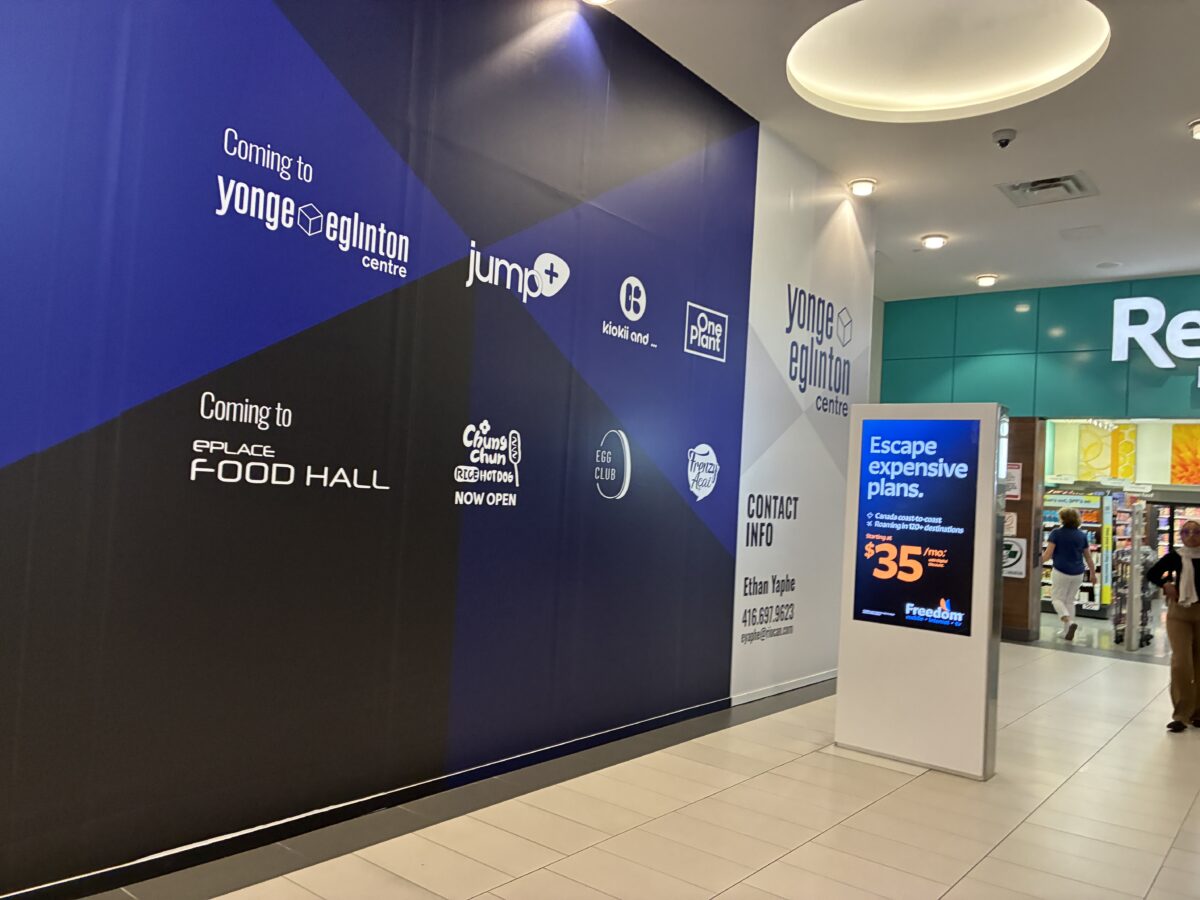
That principle shapes how Egg Club picks its next sites just as much as how it handles the ones that do not work out. Yu described a sharper process behind every location decision now, one built on watching performance closely enough to know when a spot is worth fighting for and when it is not.
“Transactions across the company are up 25 to 30 percent year over year,” Yu concluded. “It also helps to have a good relationship with your broker. Since late last year we have been working closely with one broker who really understands what we are looking for and who our customer is, and our site selection keeps getting better because of it. We use a fairly expensive piece of software every day to evaluate locations, and we are constantly studying our own stores, comparing a busy one to a quiet one and figuring out why.”
For now, MetroCentre Concourse is the next test of that formula, a second bet on the PATH after Union Station proved the model could work underground. If it performs the way Yu expects, it likely will not be the last.

Dustin Fuhs is the founder and Editor-in-Chief of 6ix Retail, Toronto’s premier source for retail and hospitality industry news. As the former Editor-in-Chief of Retail Insider, Canada’s most-read retail trade publication, Dustin brings over two decades of expertise spanning retail, marketing, entertainment and hospitality sectors. His experience includes roles with industry giants such as The Walt Disney Company, The Hockey Hall of Fame, The Canadian Opera Company, Starbucks Canada and Blockbuster.
Recognized as a RETHINK Retail Top Retail Expert in 2024, 2025 and 2026, Dustin delivers insider perspectives on Toronto’s evolving retail landscape, from emerging brands to established players reshaping the city’s commercial districts.