
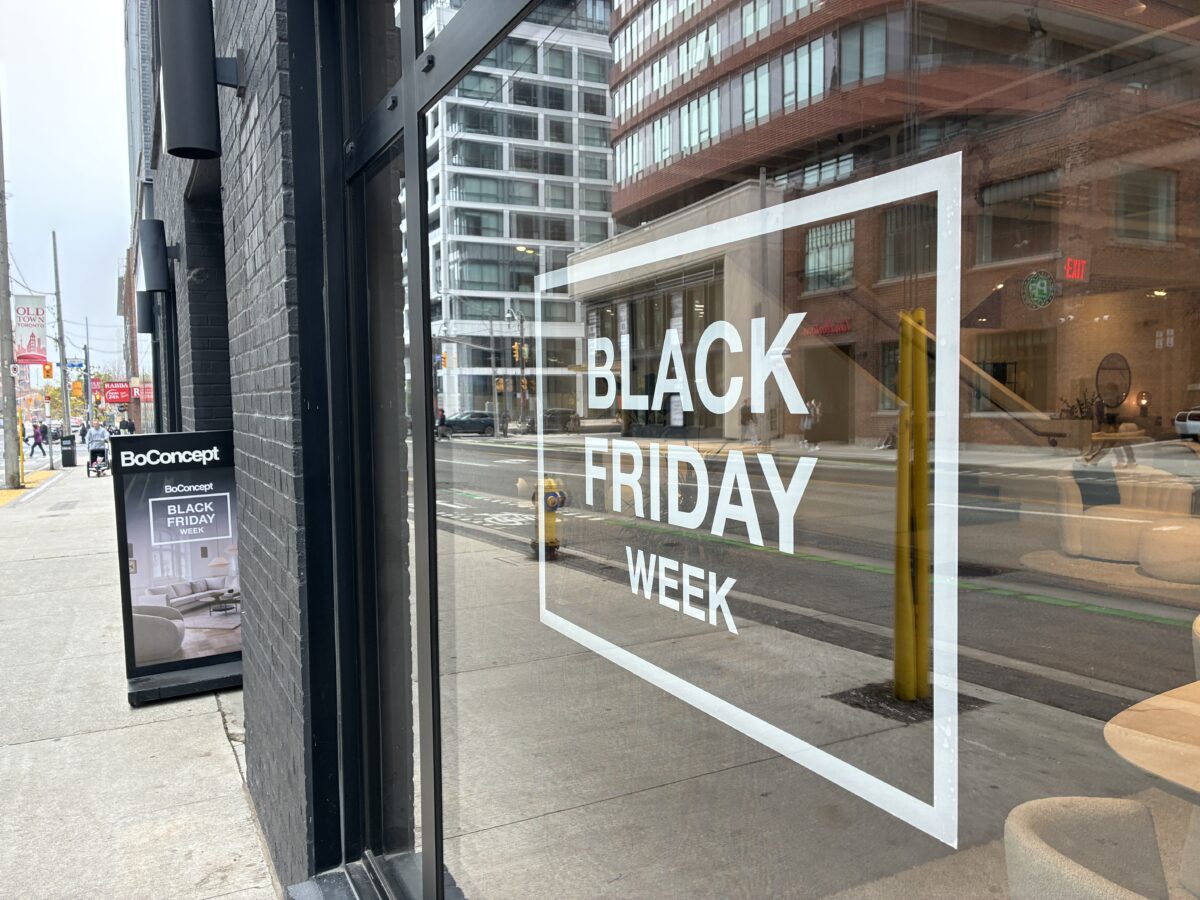

Black Friday is already in Toronto’s store windows.
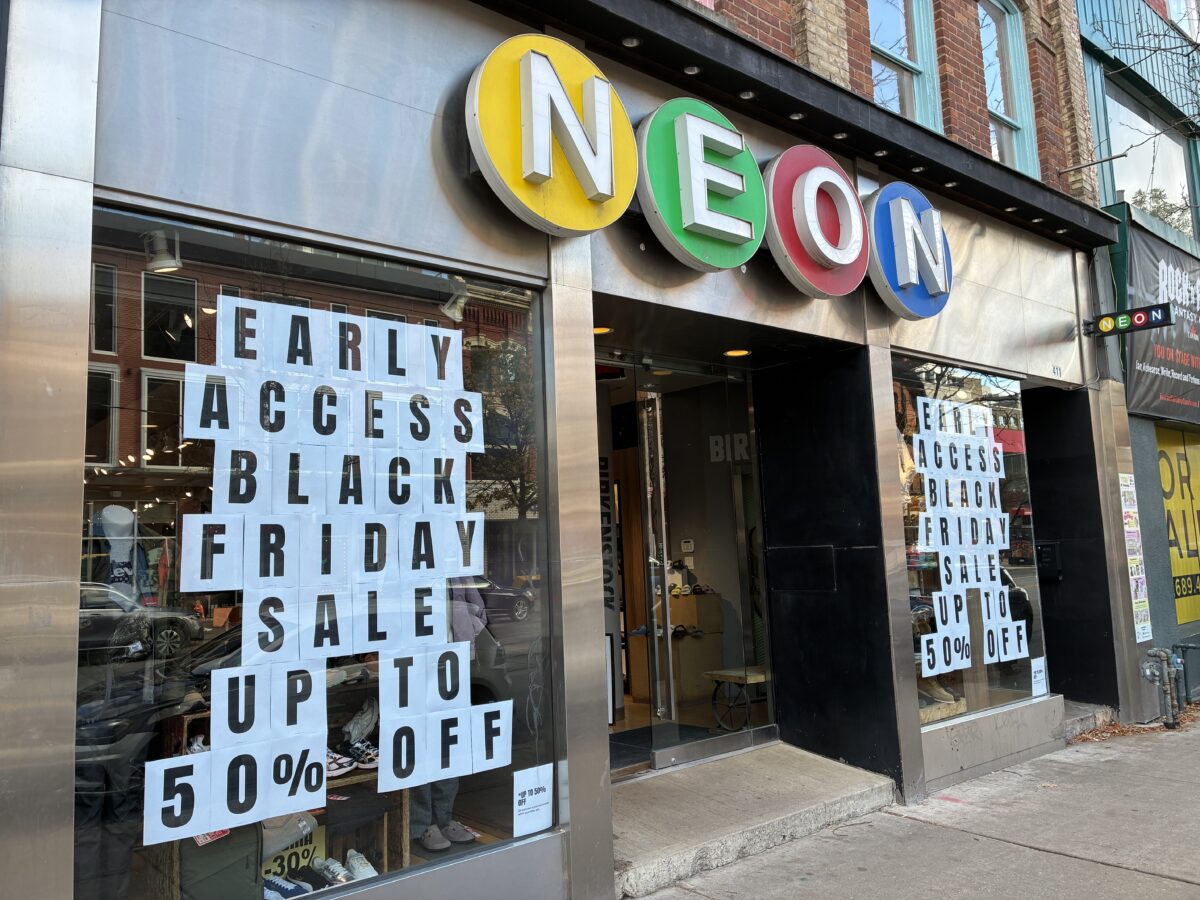
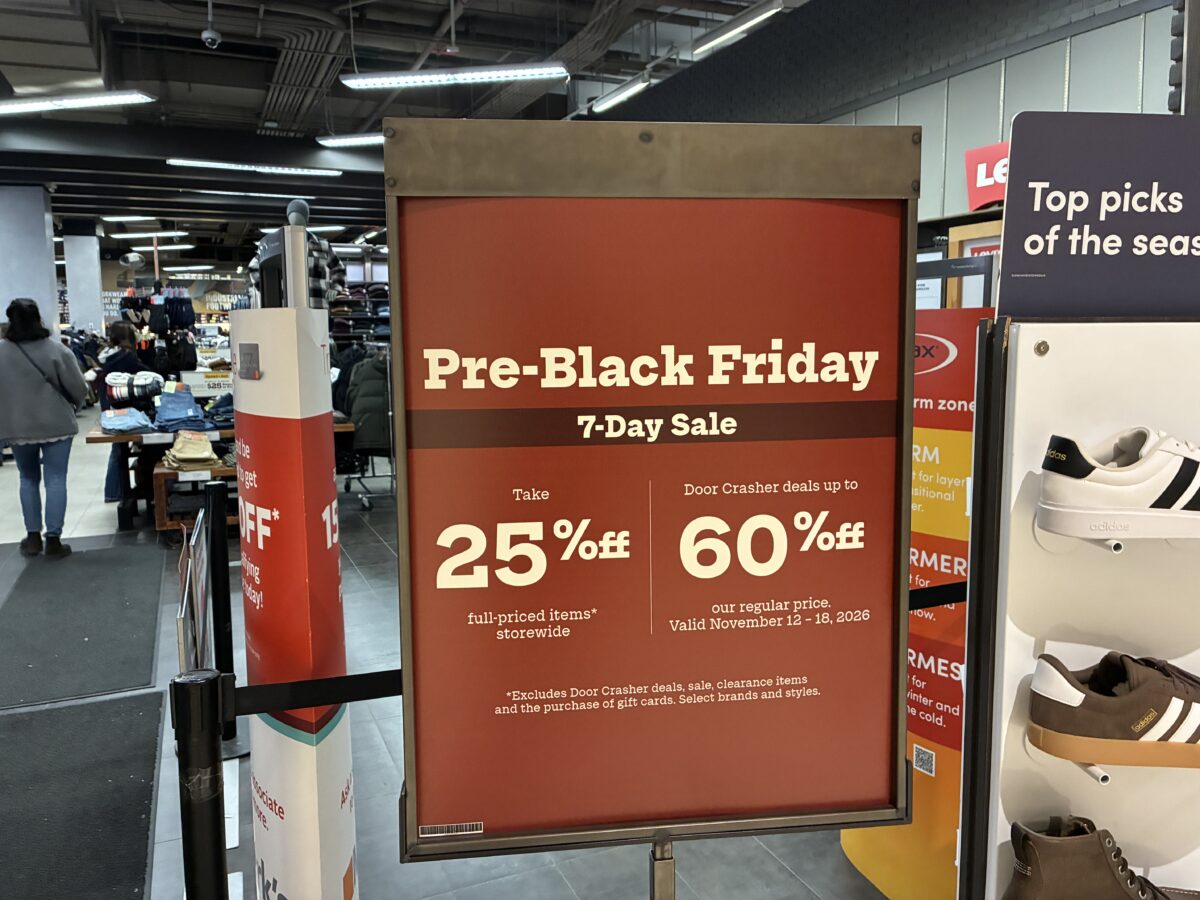
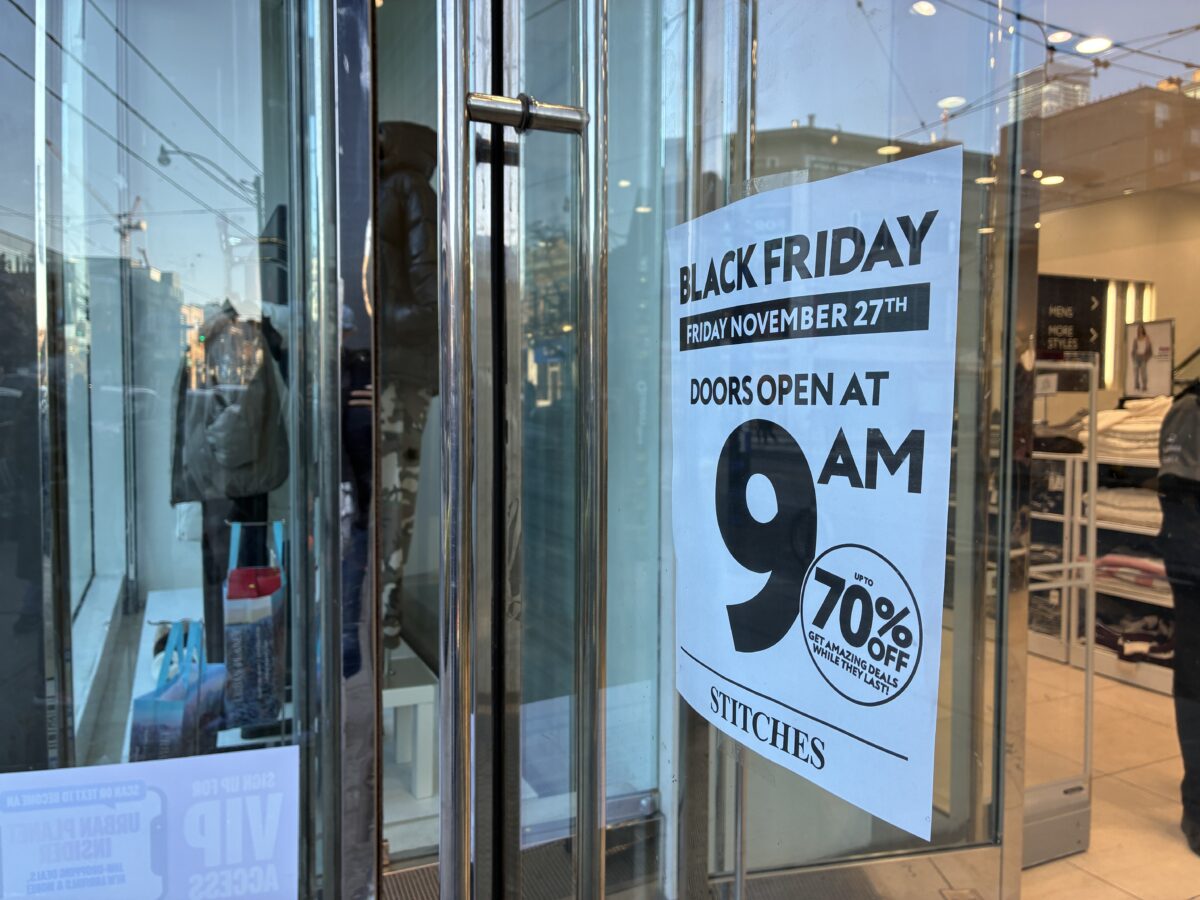
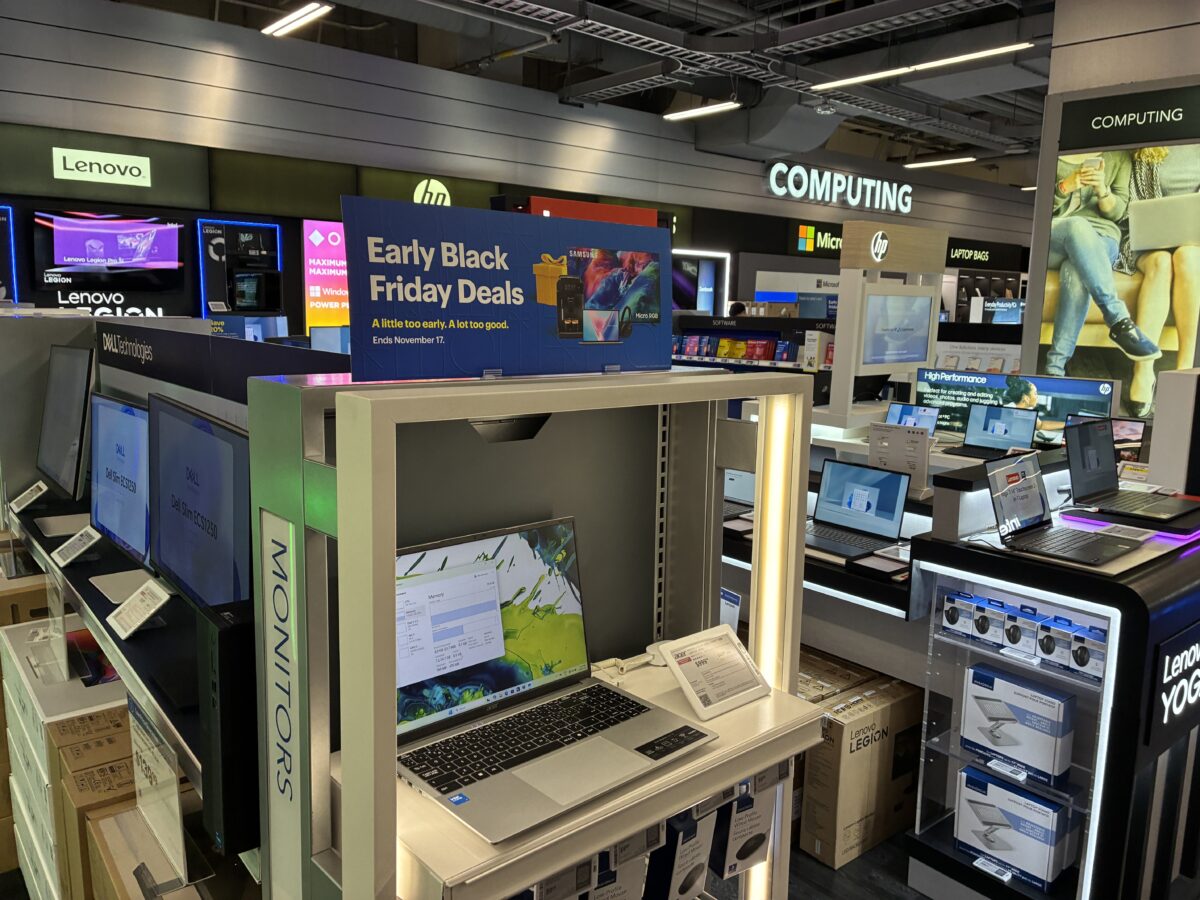
On Queen Street West, Neon is promoting an “early access” sale. Best Buy’s early Black Friday deals, which it bills as “a little too early,” wrapped up November 17, and a pre-Black Friday sale at Mark’s ran November 12 to 18. Both finished more than a week before the event itself on November 27. Meanwhile, shoppers’ inboxes have been filling up with offers from DAVIDsTEA, Canadian Tire and Roots since the start of the month.
A year ago, the worry was a short season. Black Friday fell on November 28, leaving 26 days until Christmas Eve, and retailers were scrambling to fit everything in. This year they have more time than ever, and that creates its own complications around pricing and trust.
Shoppers now have to decide whether to buy when the first offer appears or hold out for a better one. Independent retailers are trying to get noticed alongside national chains with large online operations, and next to off-price stores full of excess inventory.
New research from Lightspeed Commerce finds 70% of Torontonians plan to shop Black Friday or Cyber Monday this year, and they’re thinking harder about when and where to buy. 6ixRetail asked Kate Woelffer, senior vice president of North American retail at Lightspeed, how the city’s independents should approach a season that now lasts most of the month.
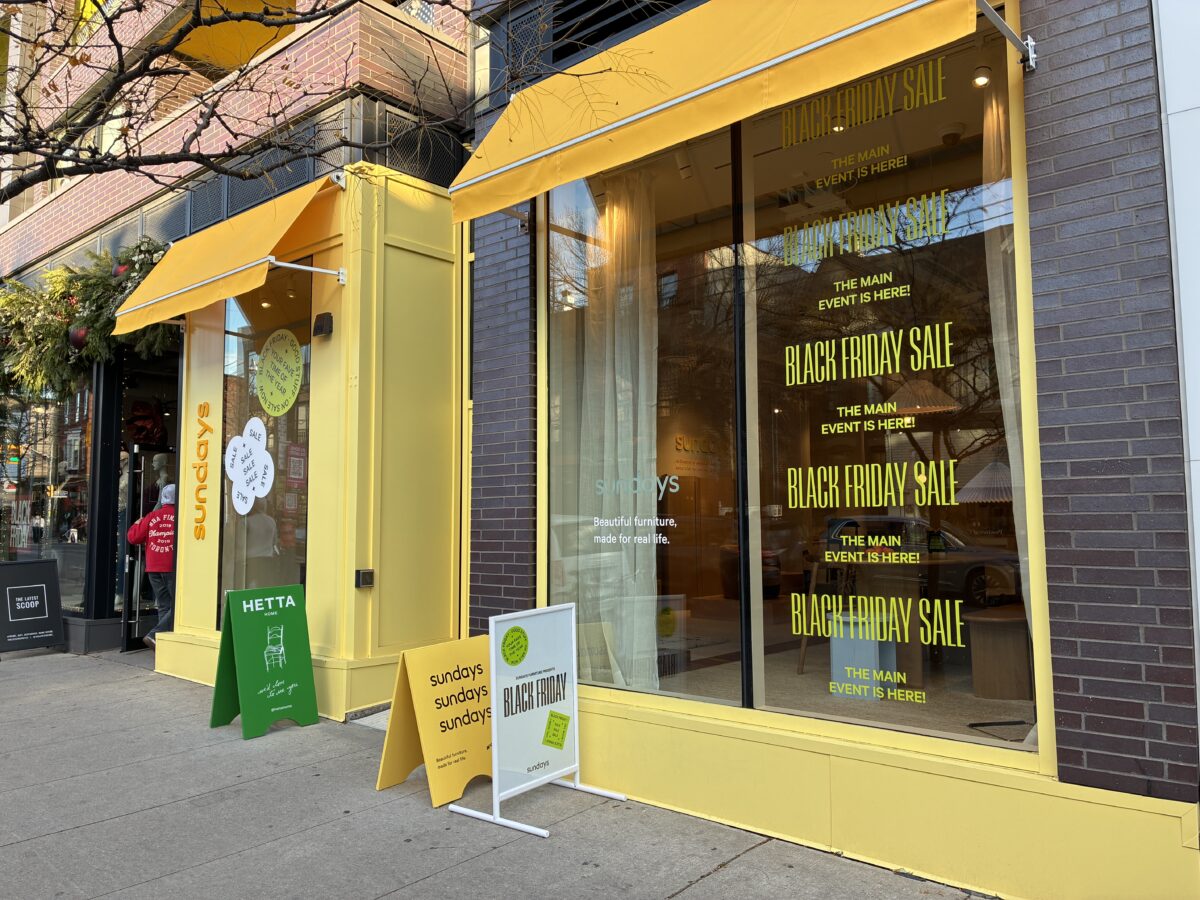
Lightspeed’s survey found 51% of Canadians have been hunting for more discounts over the past six months, and retailers have responded by starting their promotions earlier each year.

“Once online retail made it easy to launch promotions early, shoppers came to expect it,” Woelffer says. “But a longer calendar hasn’t made the day itself any less important.”
Of Torontonians planning to shop, 60% still expect to do most of it on Black Friday, which leaves retailers running a month-long campaign while preparing for a single day of peak demand.
“The strongest retailers use those early weeks to learn what’s resonating,” she explains, “then adjust inventory, staffing and marketing as demand develops. A discount should be a deliberate lever, not a reflex. If something’s already selling at full price, there may be no reason to give up the margin.”
“The ones who get this right will balance value for shoppers with discipline on inventory and profit,” she adds. “Starting earlier isn’t the goal. Making every week of the season work harder is.”
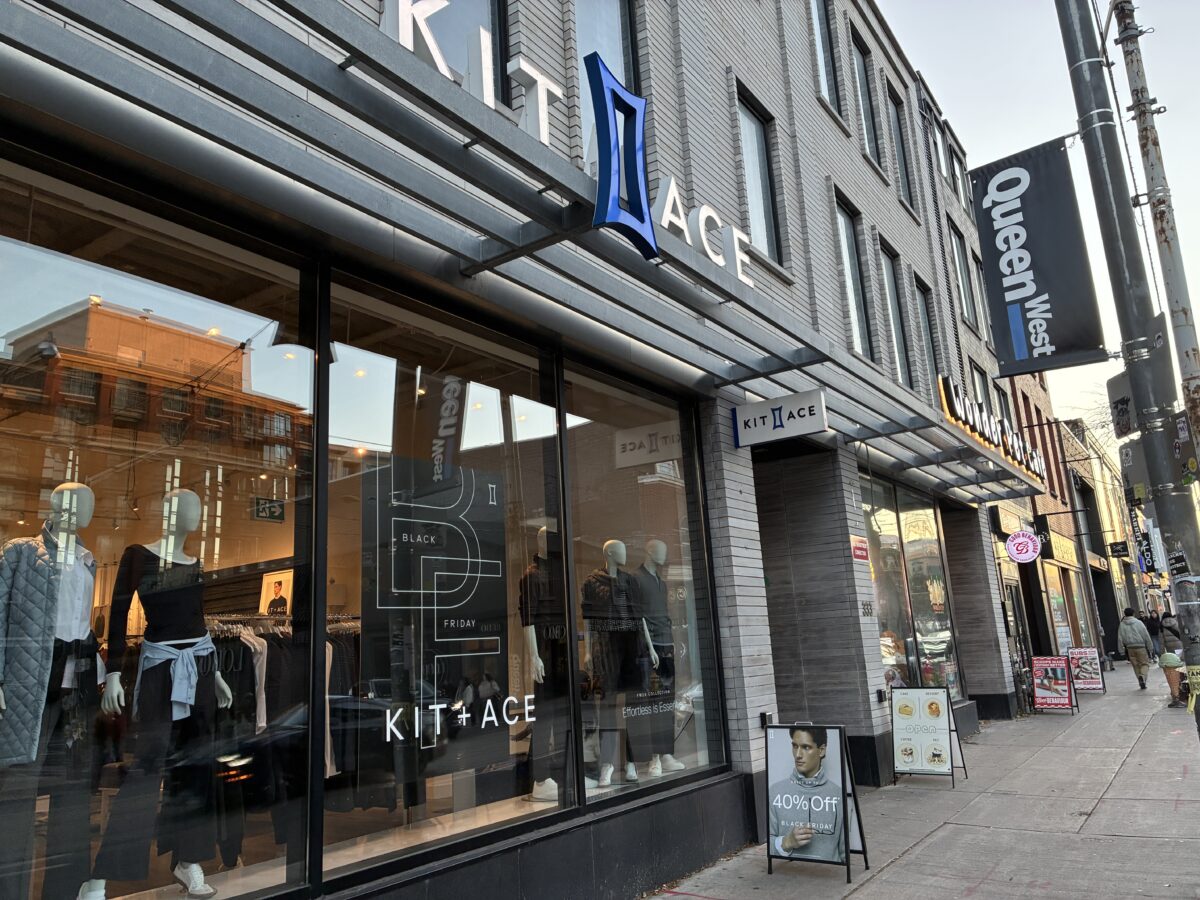
Starting early can backfire when shoppers see the same price drop twice in a month and learn to wait, and a deal that ends 10 days before Black Friday leaves them wondering what’s coming next. Toronto shoppers are watching closely. Almost half, 47%, say better prices or more transparent discounts would most improve their holiday shopping, and 12% have used AI to check whether a deal is genuine.
“A longer promotional season creates a trust test,” Woelffer notes. “Price credibility is part of the customer experience now. It’s not just signage. You want urgency, but you don’t want the customer walking away thinking they should have waited.”
“Early access is a good way to reward loyal customers, whether that’s first choice, an exclusive bundle or limited stock,” she says. “If you’re planning deeper discounts later, put them on different products or categories instead of cutting the same item again and again.”
On Queen West, Neon has been doing exactly that, advertising early access to its Black Friday sale in its windows since mid-November.
“Be explicit about timing, exclusions and any price-adjustment policy,” Woelffer adds. “When people believe the offer is fair and understand why it’s available now, they can buy without feeling like they need to keep checking back.”
Off-price chains like Winners and Marshalls are built around brand-name merchandise that didn’t sell elsewhere, and this season they have plenty of it. For a neighbourhood boutique, that’s one more discounter to compete with on top of the national chains.
“Off-price retailers are built to win on breadth and discounting. An independent shouldn’t try to copy that,” Woelffer says. “Where you can compete is on the purchases where expertise, curation and service take the guesswork out of buying.”
In Toronto, 35% of shoppers say they’re more likely to buy premium or big-ticket items during Black Friday, a group looking for more than a bargain.
“Take a specialty furniture store,” she explains. “Someone investing in a new sofa wants to know how the fabric will hold up, whether it fits their space and what delivery looks like. If you can walk them through that, hand them fabric samples and explain your after-sales service, you have a real advantage. A great salesperson who helps someone buy with confidence can be worth far more than another markdown.”
“I’d focus on the categories where staff expertise genuinely changes the decision, and make sure your most experienced people are on the floor during the busiest stretches,” she recommends. “Specialty retailers usually know which brands their customers trust and which products are hard to find anywhere else. That’s where smaller retailers can win.”
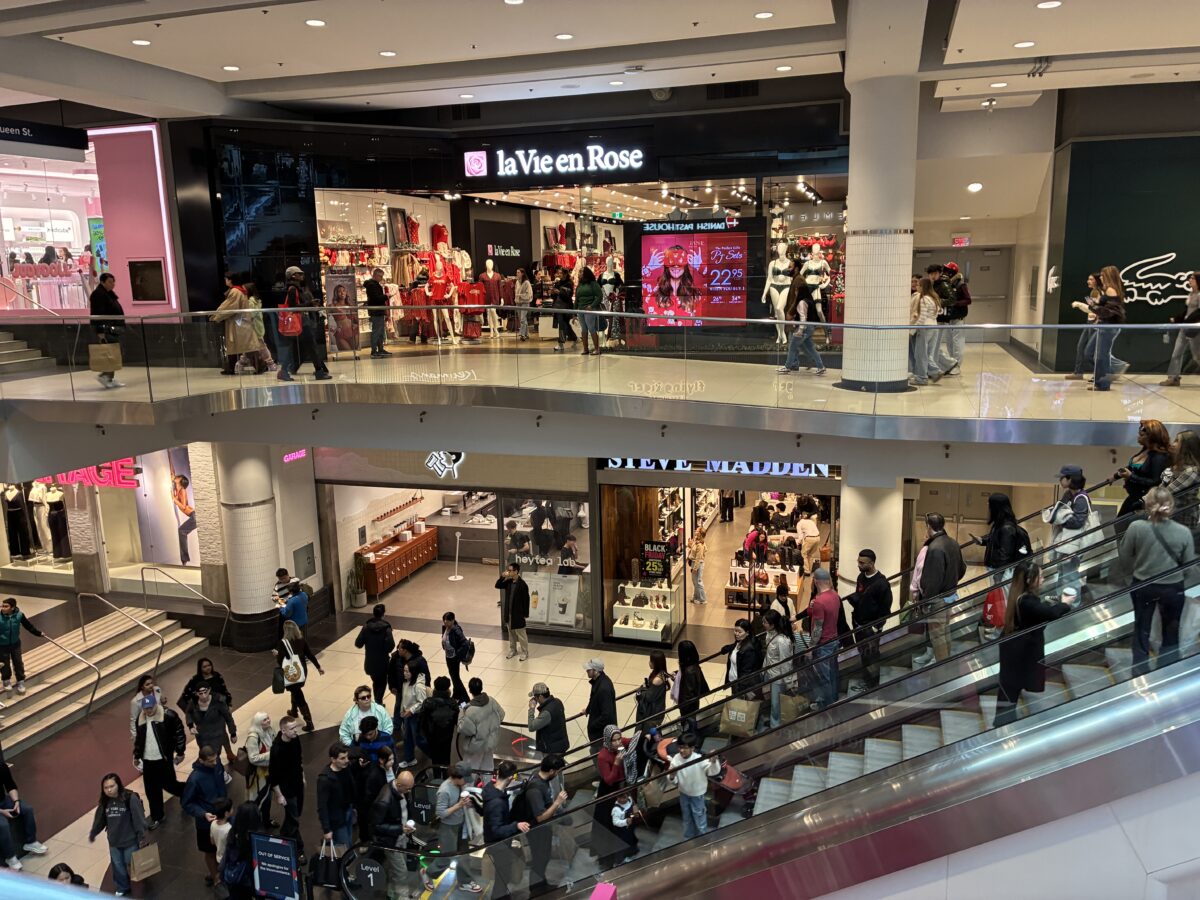
Toronto shoppers are doing more homework before they buy. Among those planning to shop, 54% expect to spend $345 or more, and 43% have used AI during a major sale.
In September, Lightspeed published research showing how often AI shopping tools point people toward national chains. This time, Woelffer is focused on what happens after a shopper finds a product, and whether the store can actually close the sale.
“Picture someone finding a pair of running shoes online during their lunch break,” she says. “They should be able to confirm their size is in stock nearby, reserve it and pick it up after work. If the website says it’s available and the store doesn’t have it, you’ve probably lost that customer.”
“Look at the products people are searching for but not buying, whether your online inventory matches what’s on the shelf, and where shoppers drop off,” Woelffer advises. “Those are sales you can still win while demand is high. Toronto has the demand. The advantage goes to whoever makes it easiest to find the product and finish the purchase.”
Discounts can also pull spending forward, with one in five Torontonians saying they’ve replaced something earlier than they needed to because the price was right.
“A strong Black Friday isn’t necessarily growth,” says Woelffer. “You have to look past the transaction and ask whether the promotion actually started a relationship that carries on after the sale.”
“That work starts at checkout,” she suggests. “Recognize first-time customers, make it easy to join a loyalty program or sign up for relevant updates, and give them a reason to come back that isn’t another deep discount. A pet store could follow a Black Friday purchase of premium food with a restock reminder and an easy reorder option in January.”
“Measure the quality of the growth, not just the size of the peak,” she continues. “Track how many first-time holiday shoppers come back within 60 or 90 days, what they buy and whether those sales are profitable. A record day doesn’t mean much on its own. What you want is repeat business, without training people to wait for the next markdown.”
Toronto will line up for almost anything, from a new pop-up to a sold-out holiday party, but a lot of Black Friday shopping happens alone, on a phone, after dark. In Toronto, 36% of shoppers say they’ve made a late-night purchase during a sale that they wouldn’t have made during the day. Among Canadians aged 25 to 34, it’s 42%.
“There’s an opportunity to connect with shoppers outside regular hours, but the data is a reason to test,” Woelffer says of after-hours shopping events. “It’s not a case for every retailer to stay open later.”
“A physical store can offer something a late-night mobile purchase can’t,” she points out. “Hands-on discovery, expert help and a reason to make an occasion of it. A homeware retailer could host an evening around holiday entertaining, with demonstrations, gift ideas and staff who can help someone put the whole table together. You can also link online browsing to the store by inviting shoppers to a demo or a personal-shopping appointment.”
“Pilot one specific experience and look at the economics,” Woelffer recommends. “Attendance, transaction value, sales against staffing and operating costs, and whether those people come back. Extended hours should earn their place on the calendar. One focused event that brings in the right customers may be worth more than staying open late every night.”
With Black Friday less than a week away, most Toronto retailers have already set their prices. The ones already planning how to bring those shoppers back in January may get the most out of the month.
Research was conducted by Censuswide for Lightspeed Commerce among 1,501 Canadian consumers aged 18 and older between October 14 and 22, 2026.

Dustin Fuhs is the founder and Editor-in-Chief of 6ix Retail, Toronto’s premier source for retail and hospitality industry news. As the former Editor-in-Chief of Retail Insider, Canada’s most-read retail trade publication, Dustin brings over two decades of expertise spanning retail, marketing, entertainment and hospitality sectors. His experience includes roles with industry giants such as The Walt Disney Company, The Hockey Hall of Fame, The Canadian Opera Company, Starbucks Canada and Blockbuster.
Recognized as a RETHINK Retail Top Retail Expert in 2024, 2025 and 2026, Dustin delivers insider perspectives on Toronto’s evolving retail landscape, from emerging brands to established players reshaping the city’s commercial districts.