
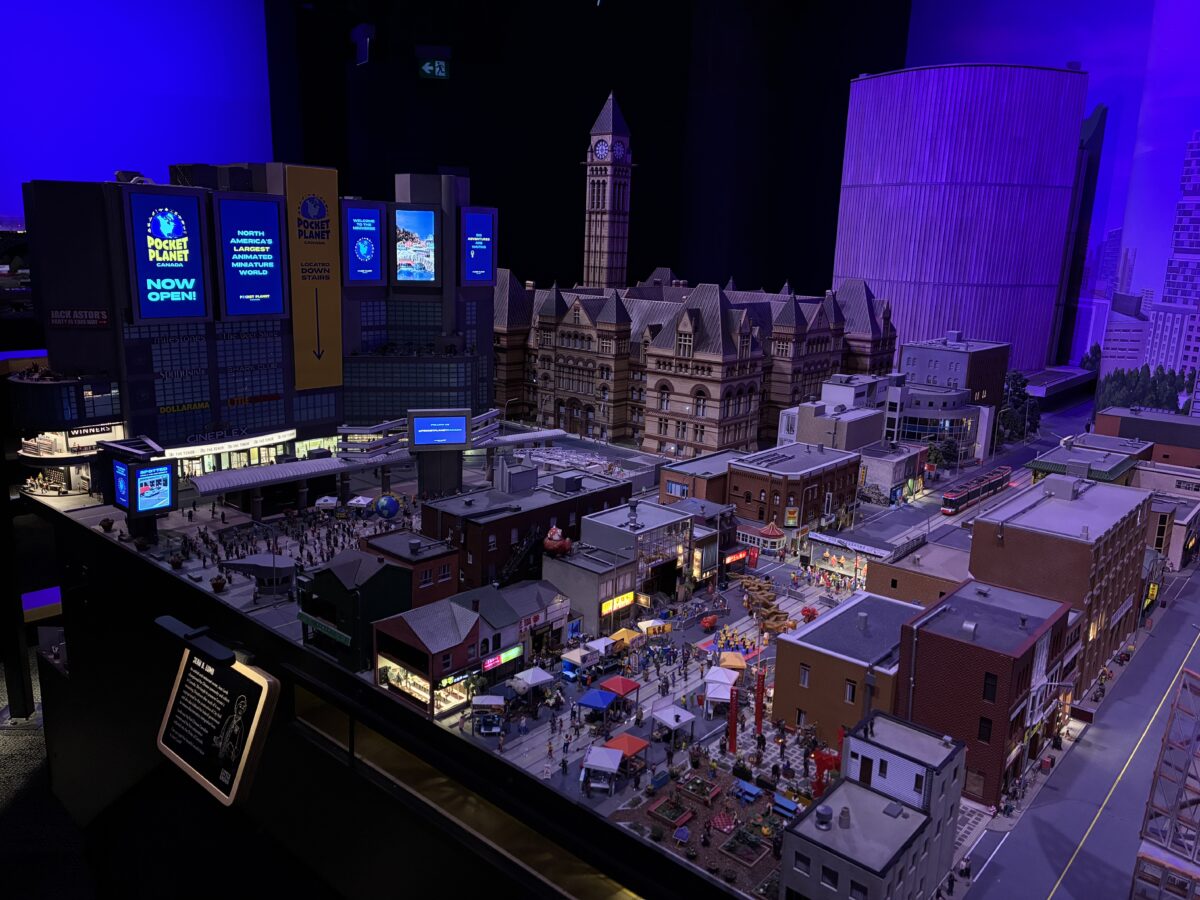

Little Canada officially adopted the Pocket Planet Canada name this week, the latest step in a process the company first announced on its LinkedIn page back in June, and one that’s still very much underway. Inside The Tenor at Yonge and Dundas, the visible pieces already look complete: staff uniforms and the company website have been updated, and new technology has been added to the exhibit itself. Swapping logos and signage is the easy part. Building recognition for an entirely new name is a longer undertaking, and it’s one Pocket Planet is only just beginning.
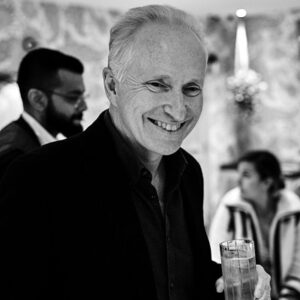
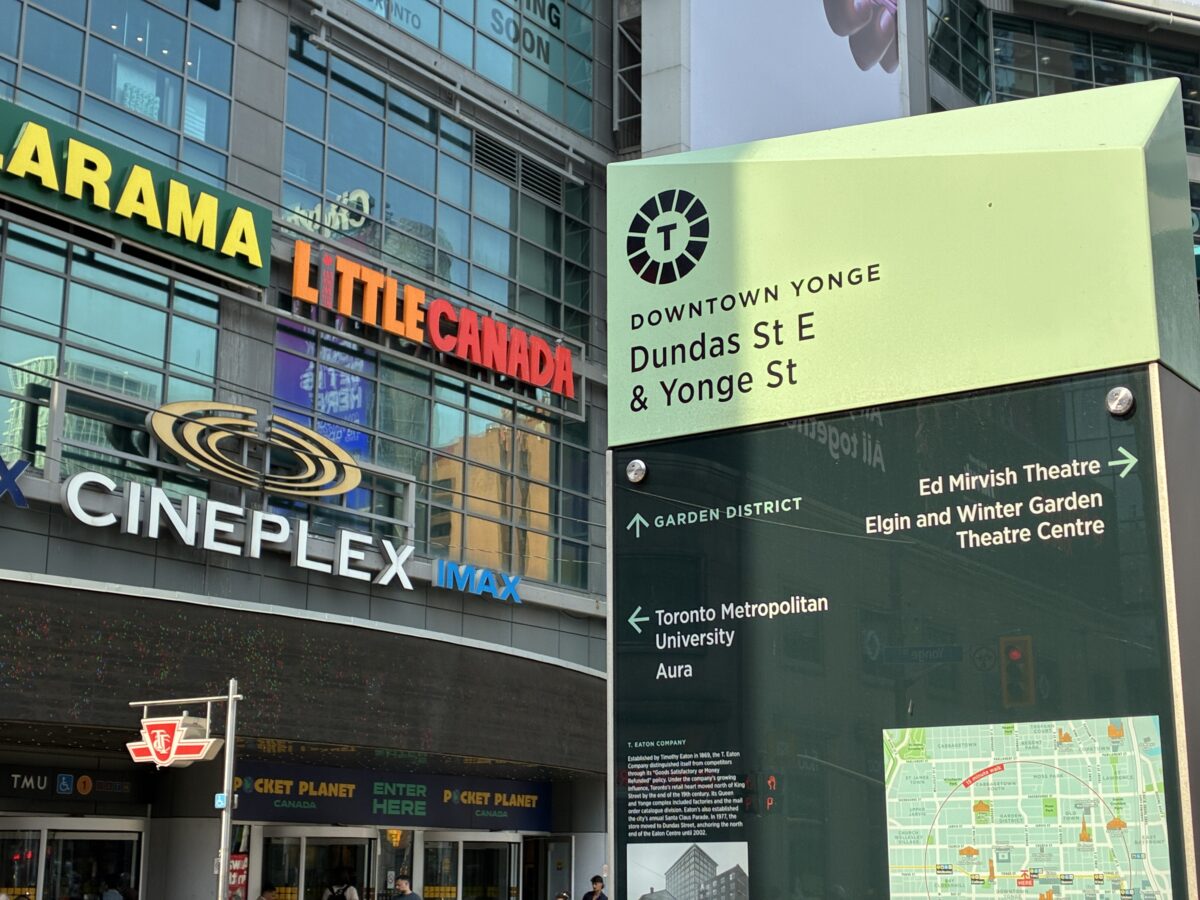
The exterior is still catching up. The signage above the main doors on Dundas Street reads Little Canada, the same branding that’s greeted visitors since 2021, while a temporary sign at the side entrance on Yonge Street already reads Pocket Planet Canada. The permanent version goes up ahead of an official relaunch in October.
“We’ve effectively shifted our center of gravity to Toronto,” said Mark Vlassopulos, founder and CEO of Pocket Planet, in an interview with 6ixRetail. “We’re Londoners, but this is how the business is going to grow, and it’s going to grow from this platform.”
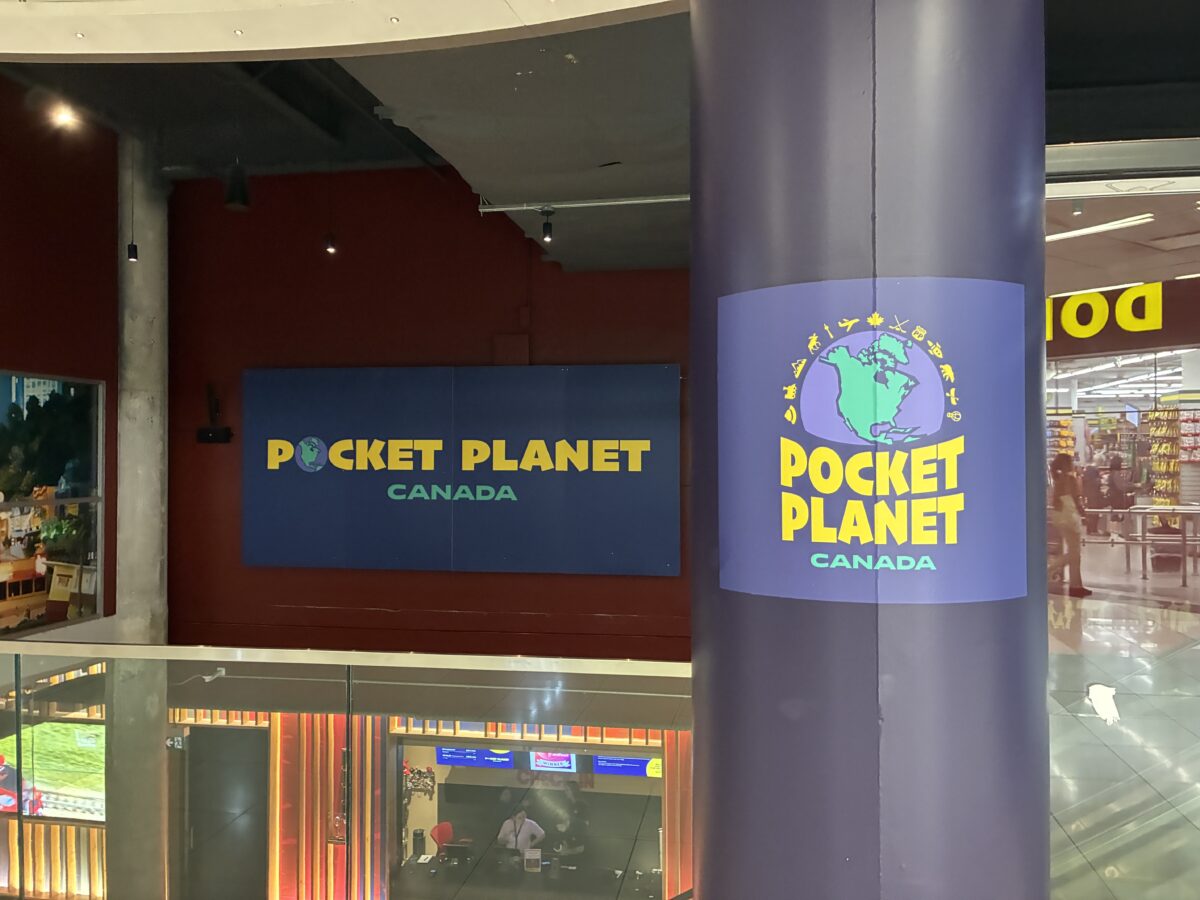
The relationship between the two companies predates the acquisition by several years.
“We had met the owner of Little Canada right after COVID,” Vlassopulos said. “Pocket Planet has plans for multiple locations around the world, and the limiting factor for us has always been these models. They take a long time to make, and they’re extremely laborious. We met Jean-Louis Brenninkmeijer and thought Little Canada would be a great resource to build models for our installations in London and other cities. That’s how we got to know them.”
“We think of ourselves as an entertainment company first, not a manufacturing company,” he said, describing Little Canada’s craftsmanship as the kind of resource that’s genuinely hard to find. “Over the last few years, we started thinking seriously about acquiring the business. Last year they indicated they might look to sell. We had a discussion, worked out a deal, and here we are.”
Vlassopulos was candid that the interest in ownership grew out of more than admiration for the craftsmanship alone. “We’re big admirers of what they built,” he said. “In terms of the way they were marketing and selling themselves, we felt there was real room to grow. We think of ourselves as an entertainment company first, not a manufacturing company,” he said, describing Little Canada’s craftsmanship as the kind of resource that’s genuinely hard to find. “Over the last few years, we started thinking seriously about acquiring the business. Last year they indicated they might look to sell. We had a discussion, worked out a deal, and here we are.”
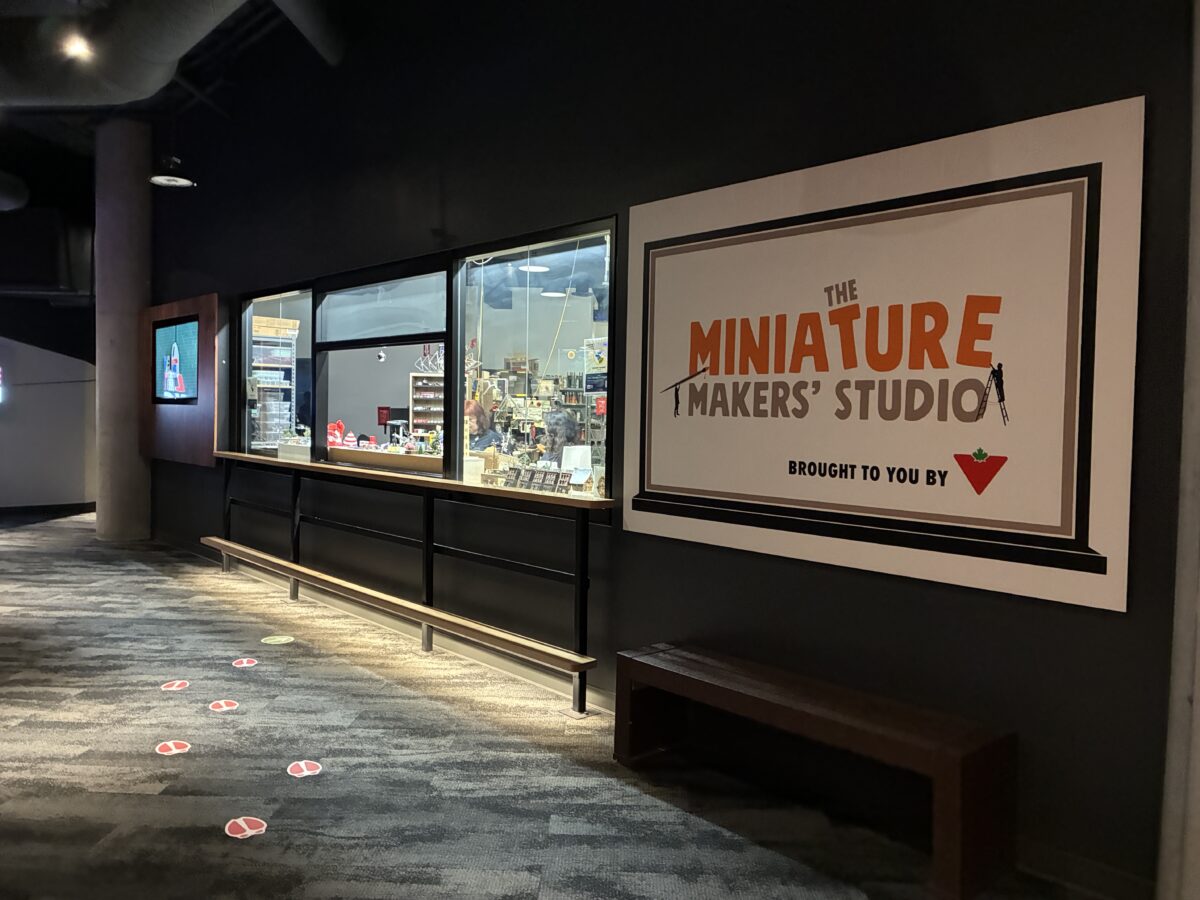
The people who built Little Canada aren’t going anywhere, Vlassopulos was clear on that point. Brenninkmeijer and his team of model makers continue their work on-site under a newly formed company, Miniature Makers Inc., still based in the same studio inside the building. The craftsmanship stays exactly where it’s always been. What’s changing is everything built around it.
There’s a personal thread running underneath the business story, too. Vlassopulos ran an interior design business in Toronto roughly thirty years ago, out of an office on Queen Street. “I hadn’t been back here in a long time, but I was genuinely delighted at the thought of coming back to do another deal,” he said.
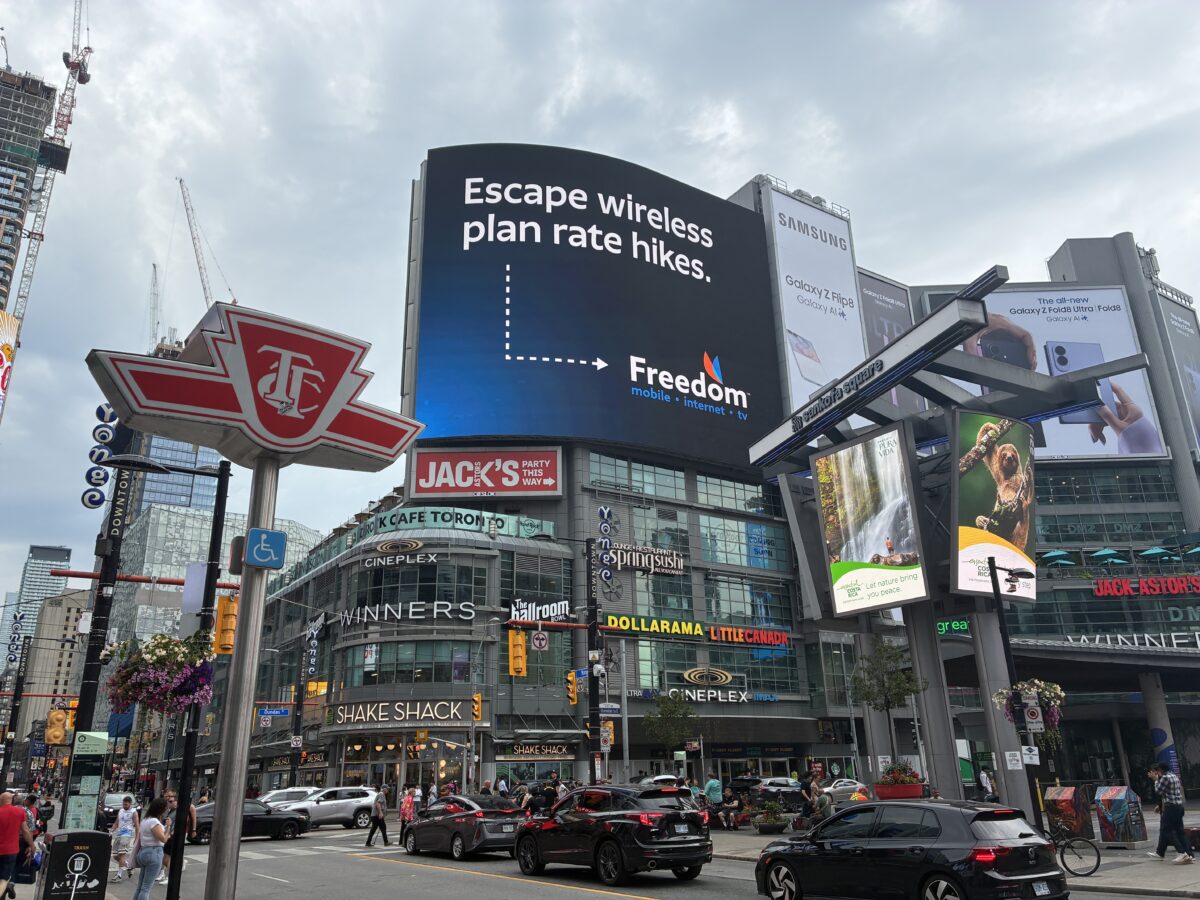
Little Canada’s address, at the corner of Yonge and Dundas, is one of the busiest in the country, but he was careful not to credit the location alone for the acquisition.
“Moving something like this is almost impossible,” he said. “Everything’s screwed to the floor and nailed to the wall. It’s bespoke, which makes it far harder to relocate than a family entertainment centre. We’re well aware it’s a AAA location, but you and I could probably list twenty great attractions in AAA locations that have gone belly-up.”
“Even if this had been in Mississauga, or a B-location downtown, we would have evaluated it the same way, on our confidence to market it as a destination, rather than somewhere people just wander in off the street,” he said. “Street traffic is hard to earn, and it’s often overlooked as valuable, but we don’t want to miss anyone who’s a potential customer. Still, we couldn’t live on that alone.”
“A big part of our evaluation was our partnership with Fever on ticketing and marketing,” he said. “If we didn’t believe we could sell the tickets, we wouldn’t have done it. Honestly, it’s almost as hard to sell tickets at Yonge and Dundas as it is somewhere in a tertiary location. If you can’t do that, no site is viable.”
He was just as direct about the building itself. “Our lease deal here with BGO, our landlord, is very fair, and we’re very comfortable with it,” he said.
Vlassopulos spent a good part of the conversation on hospitality.
“People always said that signage, and the people who guide you through a space, should never just be for information, they should be for motivation,” he said. “Even the person who checks your coat should be putting you in the right mood and getting you motivated to do more.”
He pointed to Miniatur Wunderland in Hamburg, the German attraction he’s cited before as an early inspiration for Pocket Planet. “The guy that takes your ticket greets you in five different languages, whichever one suits, and immediately asks you where you’re from and how you’re doing. You’re set, you’re ready to go. That is such a rare thing.”
Inside Pocket Planet Canada, that philosophy runs through the whole team rather than resting on any one role. “It’s absolutely vital for us. That sense of motivation should be in everything, the written signage, the push buttons, the walls, all of it working to get you to the next moment.”
“Our product is substantially analogue,” he said. “There’s lots of tech, none of it proprietary, motors, projection, digital elements, control systems, but it’s all just facilitating the experience. I like to think of it as helping you trigger your memories, rewarding you for seeing things you recognize.”
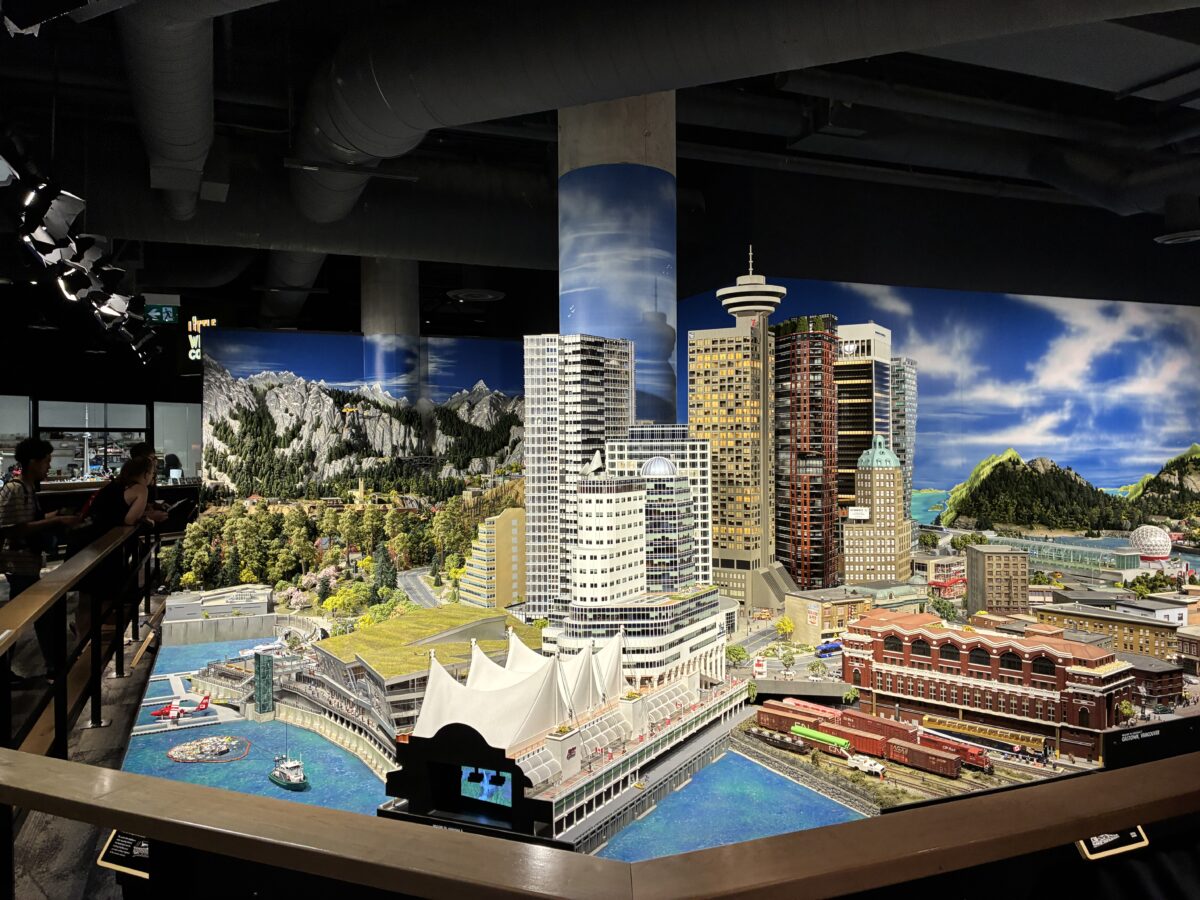
The Greater Toronto Area display, home to a custom-built, 12-foot CN Tower, is the most-watched of the attraction’s eight zones, he said. “You’d think, why would locals look at the one place they already know? But that’s exactly why. They’re looking at things they recognize.” He compared it to Las Vegas, where he lived for nine years. “The people who most frequent the New York-New York casino come from New York. They don’t go to the Venetian. People want the familiar.”
It’s also why one technology is deliberately absent from the attraction. “The moment you put a VR headset on, you go off on your own journey,” he said. “We want the shared experience, families and couples pulling each other over to see something. That’s the whole point.”
He extends the same recognition-as-reward idea to small details built into the models themselves, hidden mascots and sports team references guests can go looking for. “You’re not winning anything, but you just feel good because you’ve achieved the task, or you’ve seen something you recognize. So all of our technology, our craftsmanship, our design and painting, all of it is really about helping you see things you’ve either seen before, always wanted to see, or recognize from the movies or from your geography class.”
The same instinct shaped the new name, and Vlassopulos doesn’t hedge on the reasoning.
“We wouldn’t have done Little France or Little England,” he said. “There’s a negativity around the word ‘little,’ it feels apologetic. Pocket Planet is more inclusive, it can move into multiple destinations, multiple countries. ‘Planet’ is almost always ‘planet’ in every language, and ‘pocket’ is fairly familiar even to non-English speakers. There’s a bit of alliteration too, and even the colourways we’ve chosen are about being fresh, fun, entertaining, hopefully with some humour. That’s our schtick.”
Vlassopulos frames the rebrand as an addition rather than a correction, pairing craftsmanship that already existed with the marketing and international infrastructure to help it travel further.
The company had a London location on Oxford Street mapped out well before the Little Canada deal came together, and Vlassopulos said that plan has since changed. “We’ve realized that the space we had on Oxford Street, whilst it’s a AAA location, is too small for what we’re building here,” he said.
Pocket Planet is now in early discussions on a different London site, though Vlassopulos was careful to note nothing there is finalized. “National tourism, first and foremost, is what matters most in a city like London, it’s about twelve times the size of international tourism there annually,” he said. “It might feel like it’s all foreign tourists, but it really isn’t.”
London remains an essential part of the plan. Toronto is simply where the company introduced the concept to the industry.
Asked about the pace of the brand’s broader expansion, Vlassopulos described a company with no interest in scaling quickly.
“We have a different capital structure than something like Illuminarium,” he said. “Purely digital immersive attractions cost roughly a fifth of what it costs us to build one Pocket Planet. Those kinds of experiences are opportunistic, sort of frogs leaping from lily pad to lily pad. In our case, we’re fixed on one lily pad, and that’s it.”
“Realistically, five years from now, there are probably five to seven Pocket Planets, each in a capital or major city of a major nation. There won’t be fifty,” he said. Rome, Athens, Paris, Barcelona and London sit on the near-term list, with New York, Los Angeles, Chicago and Miami possible later additions if the company eventually enters the US.
Other cities have made a pitch for the brand, Delhi among them, but Vlassopulos said the calculus keeps landing on the same handful of markets. “It would work in Delhi,” he said. “But is it not easier for us to do Rome, Athens, Paris, Barcelona, London first?” Tokyo is off the list entirely, for a more specific reason. “There’s a good small miniature world there already, and they’re one of our supply partners.”
The same discipline applies to his broader approach to growth. “We’d rather put lots of emphasis onto a few units and make sure they’re all hits, than take a scattergun approach and do twenty and hope twelve work. It’s not the way we operate.”
Retail came up in the conversation after 6ixRetail noted Little Canada’s gift shop had built a reputation as one of the stronger offerings in the city’s attractions, a suggestion Vlassopulos didn’t dispute but was quick to build on with his own thinking, shaped directly by the company’s experience in London.
“On Oxford Street, about a third of our premises were ground floor and basement, the most expensive part of the building, both in rent and property tax,” he said. “We sweated a lot about building a proper Pocket Planet retail offering there, and we eventually worked out a solution for it. But in reality, we sat back and said, we’re not really in the retail business. So we decided to stick to our knitting, which is the exhibition itself.”
Toronto will keep a store and sell branded product, but he’s careful to frame it as a secondary piece of the visit. What genuinely excites him is smaller and more specific: scan-and-print figurines, a fully articulated, posable model produced from an in-attraction scan. “It takes a while to print them, so you can’t walk out with your model that day,” he said. “The time to sell to you is while you’re still in the moment, while you’re still ready to go. That, for us, is critical.”
He sees the format as more than a Toronto souvenir, too. “If you’d come from Tokyo or London into Rome, not too familiar with Italy, you’d be making choices about what to do on your trip, and seeing things that look cool and motivating. I think it does that. It just has to do it in a fun way, not a didactic one.”
He points to Small Worlds Tokyo, a fellow miniature-attraction operator and Pocket Planet supply partner, as evidence of where the category is headed. “In Small Worlds Tokyo, their miniaturization revenue exceeds their ticket revenue. That tells you something.”
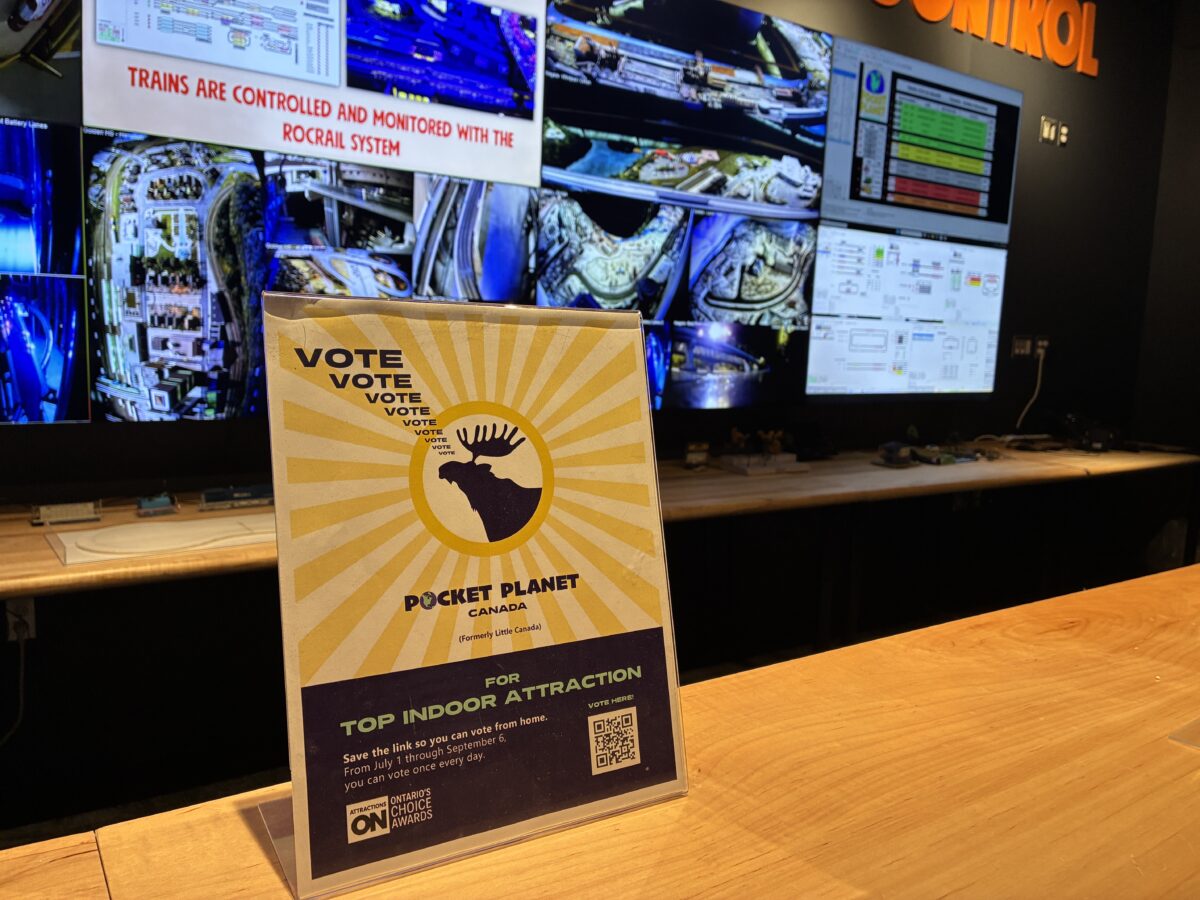
The changes at the Toronto location won’t happen all at once, and the attraction isn’t closing for them. “We’ve already made enhancements since taking over, the branding is the biggest of those so far,” Vlassopulos said. “From here, it’s about becoming more immersive, far more projection, far more interactive moments. We’ve installed our first interactive pad where you can manipulate the models. There’s a lot more coming, small and large, and particularly what I’d call reward moments, finding your favourite sports team in the model, or finding twenty small versions of Maurice the Moose, our mascot, hidden throughout the exhibit.”
Further out is a project Vlassopulos was especially eager to discuss. “Soon to be announced, though I can tease it here, is a fully working miniature airport we’re building on-site,” he said. “That involves a lot of electromechanical technology, but it fits the same philosophy, the craftsmanship and the tech working together, not one replacing the other. That’s our big thing.”
It’s the same bet the company is making on Toronto itself: a decade of hand-built craftsmanship, paired with the marketing and momentum to take it further.
An official relaunch is set for October. 6ixRetail will be back closer to that date for a look at how the transformation has come together.

Dustin Fuhs is the founder and Editor-in-Chief of 6ix Retail, Toronto’s premier source for retail and hospitality industry news. As the former Editor-in-Chief of Retail Insider, Canada’s most-read retail trade publication, Dustin brings over two decades of expertise spanning retail, marketing, entertainment and hospitality sectors. His experience includes roles with industry giants such as The Walt Disney Company, The Hockey Hall of Fame, The Canadian Opera Company, Starbucks Canada and Blockbuster.
Recognized as a RETHINK Retail Top Retail Expert in 2024, 2025 and 2026, Dustin delivers insider perspectives on Toronto’s evolving retail landscape, from emerging brands to established players reshaping the city’s commercial districts.