

For any Toronto retailer who has been putting off a storefront refresh, March 2nd, 2026 is a date worth circling. The City of Toronto’s Commercial Façade Improvement Grant Program will be reopening for applications, and for street-level businesses across the city, it represents one of the most practical funding opportunities to come along in a while. In a retail environment where drawing customers in from the sidewalk is half the battle, having a storefront that looks sharp, welcoming, and well-maintained isn’t a luxury — it’s a necessity.
The grant covers 50% of eligible exterior improvement costs, up to a maximum of $12,500 for $25,000 worth of work. For independent retailers, restaurant owners, and hospitality operators already stretched thin, that kind of direct city investment is meaningful. It’s the difference between finally replacing those worn windows or faded awnings and continuing to put it off for another year. The minimum grant sits at $2,500 for projects totaling at least $5,000, keeping it accessible for smaller businesses with more modest improvement plans.
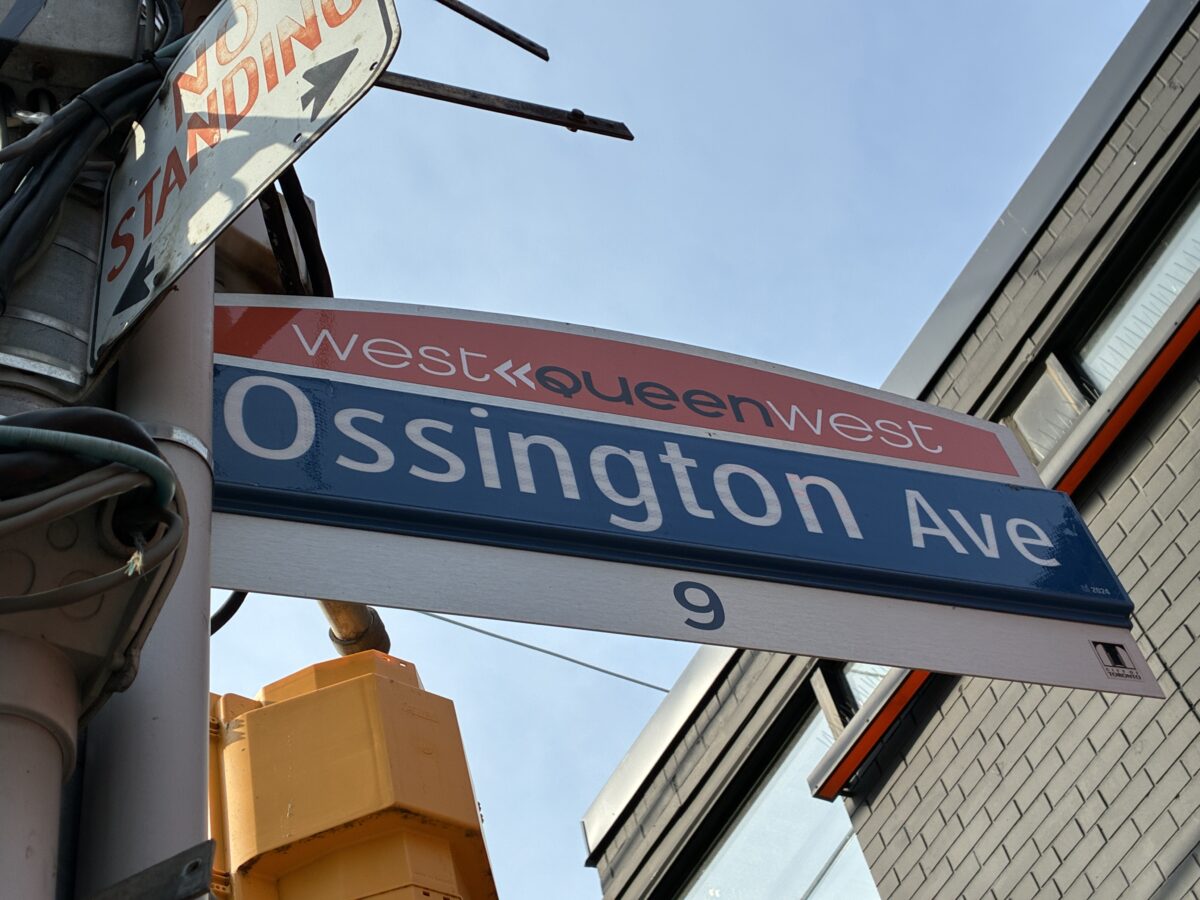
The City’s decision to fund this program signals something worth paying attention to. Toronto’s neighbourhood commercial strips are the backbone of local communities — from Roncesvalles to the Danforth, Ossington to Queen Street East. When storefronts look tired and neglected, it drags down the entire streetscape and affects every business on the block. By co-investing in façade improvements, the City is making a direct bet that a better-looking commercial corridor means more foot traffic, stronger local economies, and neighbourhoods that people actually want to spend time in.
The list of eligible improvements is deliberately broad, which is part of what makes this program so useful. Qualifying work includes masonry and brick cleaning, new doors and windows, outdoor decorative and security lighting, security cameras, entrance tiling, canopies and awnings, cornice and parapet repairs, exterior painting, and wall-mounted signage. Businesses pursuing AODA-compliant accessibility upgrades — wheelchair ramps, accessible door openers, accessible railings — qualify for an additional grant stream worth up to $2,500 on top of the standard funding. For multi-unit commercial properties, a bonus of $2,500 per additional unit is available, up to five units, meaning some properties could access as much as $25,000 in total funding.
To be eligible, applicants must be either a property owner or a commercial tenant with written permission from their landlord. A minimum of three qualifying improvements must be proposed, and — this part is critical — no work can begin before the City formally approves the application. Businesses that start improvements before receiving approval will be disqualified, full stop. Properties that already received the maximum grant within the last ten years are also ineligible, as are buildings without street-level commercial uses.
For businesses that do qualify, the math is pretty straightforward. Spend $25,000 on eligible exterior improvements and the City hands back $12,500. That’s a significant return on what would otherwise be an out-of-pocket capital expense — one that improves not just the look of a business, but its long-term value and street presence. In a city where commercial rents are high and margins are tight, getting that kind of leverage on a renovation budget is rare.

The urgency here is real. This program has a track record of running out of funding almost immediately after applications open. We’re not talking days — past rounds have been depleted within hours. Businesses that show up on March 3rd looking to apply will likely find the window has already closed. That means the preparation needs to happen now: identifying the improvements, lining up contractors for quotes, and having the application ready to submit the moment the portal opens.
It’s also worth stepping back and appreciating what this program represents for Toronto’s retail community at a broader level. The past few years have been genuinely difficult for brick-and-mortar businesses. Rising costs, shifting consumer habits, and increased competition have put pressure on independent operators in ways that aren’t going away anytime soon. Programs like this one won’t solve all of those challenges, but they do something important: they give business owners a tangible tool to invest in their physical space and compete more effectively for the customers walking by their door every day.
A well-maintained, visually appealing storefront communicates to customers that a business is active, invested, and worth their time. It’s not superficial — it’s one of the most direct ways a retailer can influence whether someone decides to come in or keep walking. The City clearly understands that, and this grant is a concrete expression of that understanding.
Applications open March 2nd at toronto.ca. Given how quickly funding has disappeared in previous rounds, businesses are strongly encouraged to review the full program details and prepare their applications well in advance of that date. For multi-unit properties, accessibility-focused improvements, or any questions about eligibility, program contact Michael Saunders can be reached at 416-392-1005 or [email protected].
This is the kind of opportunity that comes around infrequently. For Toronto retailers ready to invest in their storefront, the city is ready to meet them halfway — literally.

Dustin Fuhs is the founder and Editor-in-Chief of 6ix Retail, Toronto’s premier source for retail and hospitality industry news. As the former Editor-in-Chief of Retail Insider, Canada’s most-read retail trade publication, Dustin brings over two decades of expertise spanning retail, marketing, entertainment and hospitality sectors. His experience includes roles with industry giants such as The Walt Disney Company, The Hockey Hall of Fame, The Canadian Opera Company, Starbucks Canada and Blockbuster.
Recognized as a RETHINK Retail Top Retail Expert in 2024, 2025 and 2026, Dustin delivers insider perspectives on Toronto’s evolving retail landscape, from emerging brands to established players reshaping the city’s commercial districts.