
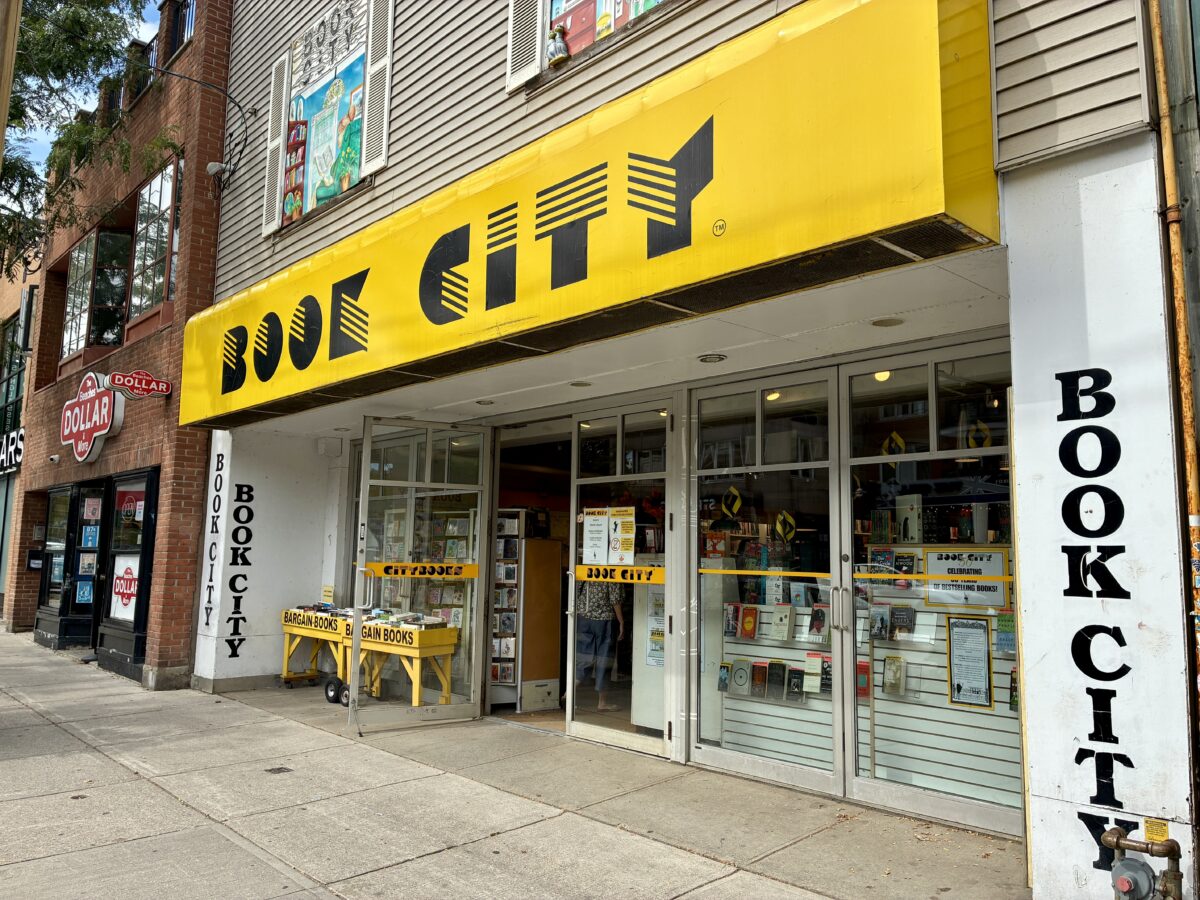

Book City marked 50 years in business this month, a milestone few independent retailers in Toronto ever reach. Frans and Gini Donker founded the company in 1976, opening the first store on Bloor Street West in the Annex.
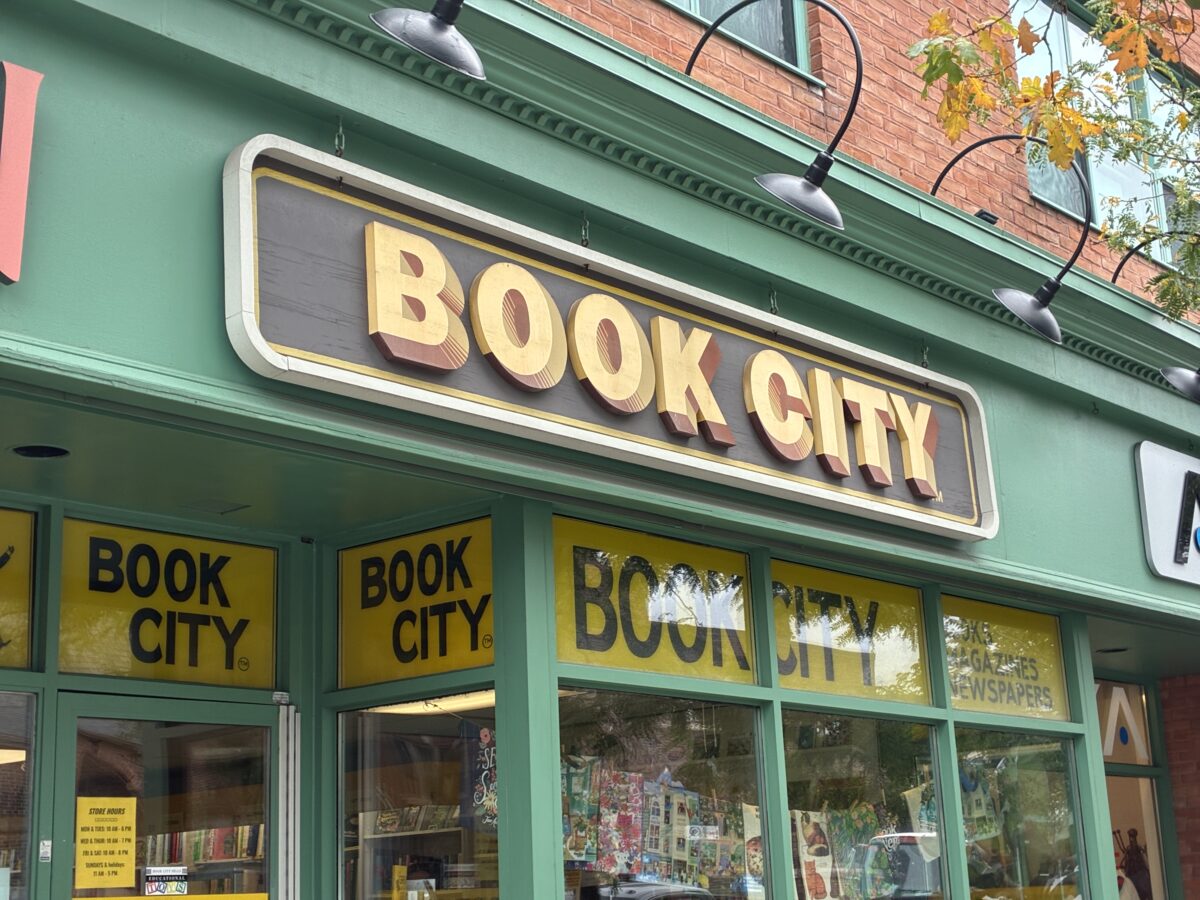
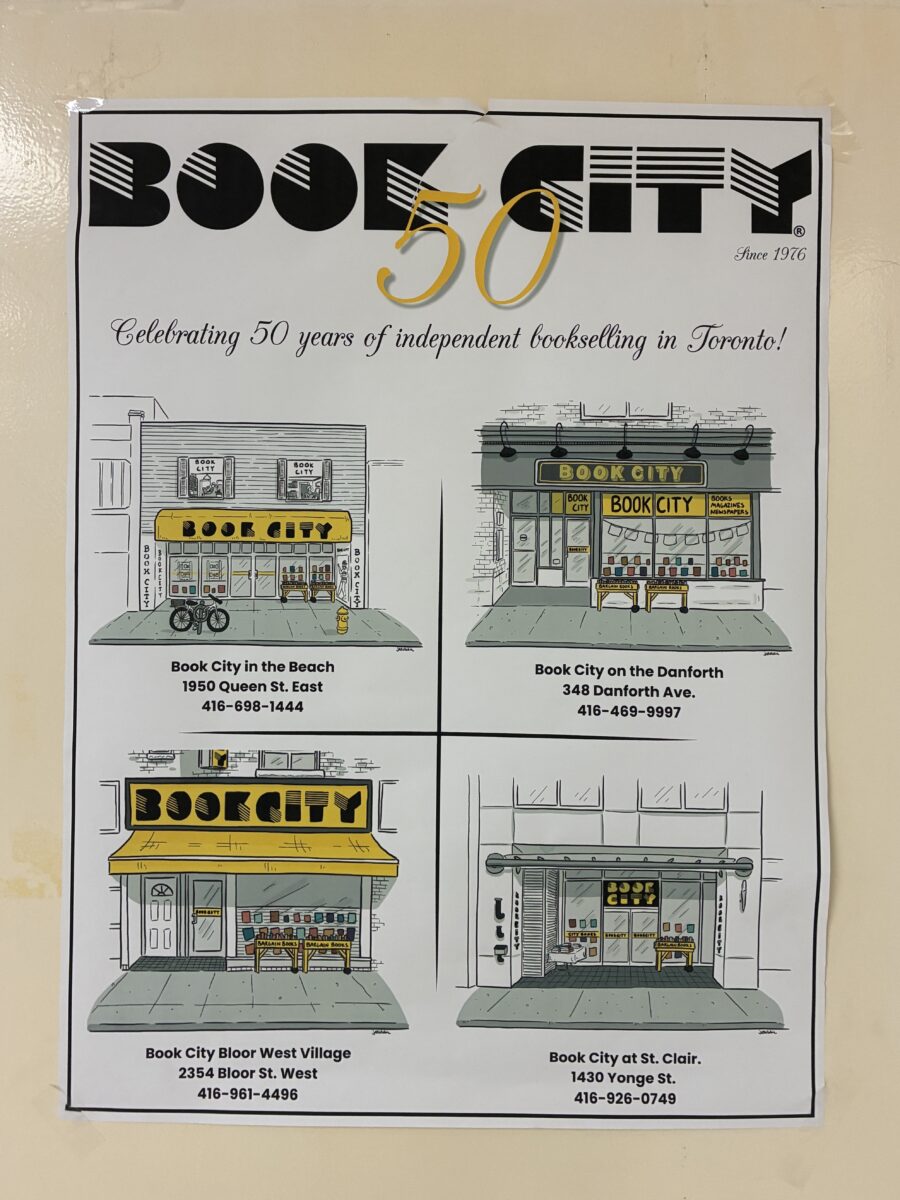
Today, that legacy lives on in four neighbourhood stores: Danforth, the Beach, Bloor West Village, and Yonge and St. Clair. All four are run by the founders’ son, Ian Donker.
Ahead of the anniversary, Donker spoke with 6ixRetail about what the milestone means to him, what has kept four stores running this long, and his own path into the family business.
A Lifetime Inside Book City
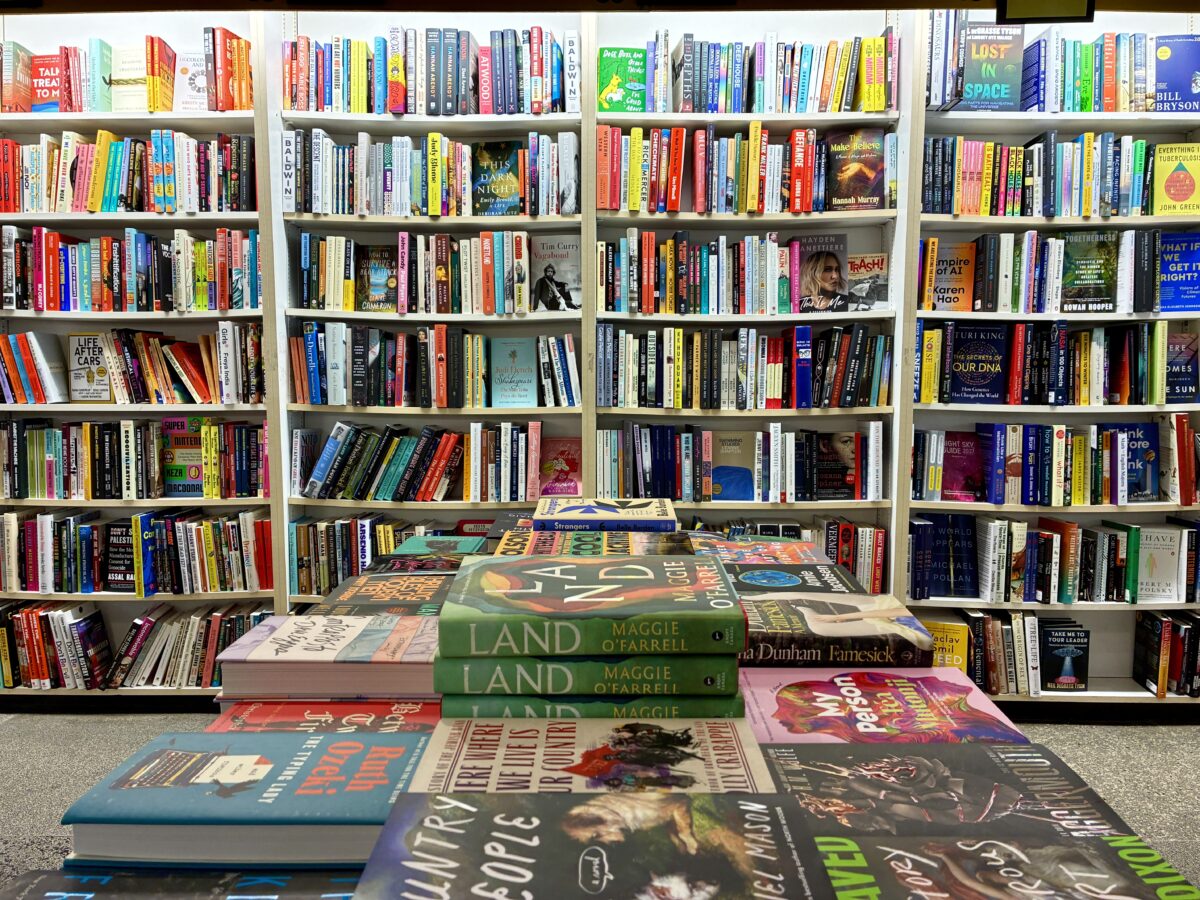
Donker was two years old when his parents opened that first Annex store. By the time he was ten, he was reading books in the kids’ section of a Book City that was still finding its footing.
“A lot of those faces I still see,” he said, describing customers from those early years who still shop with the company. “A lot older, moving a little slower. But I see them in our St. Clair store, in our Danforth store.”
Donker has managed or worked at nearly every location Book City has ever had. Even so, he’s careful not to overstate the role the stores play. “I wouldn’t say we’re the centre of a neighbourhood,” he said. “We’re a part of a neighbourhood.”
His own formal start in the business came earlier than most people would guess. He began working in Book City’s warehouse at 15, in 1989, years before he had any plan to take the company over.
That plan took shape at 22, when Donker decided he wanted to build a career in bookselling and eventually run Book City himself. He and his father agreed a university degree would not be worth much toward that goal.
Instead, Donker studied small business management in college. He then spent two to three years working in the book trade in London, England, a deliberate decision to build experience away from the family name before coming home.
He returned to Toronto in 2000 and became floor manager across three Book City locations, a role he held for sixteen years.
By 2016, running the business as a whole while also managing a store day to day had become too much to sustain. He stepped back from the floor to focus on the company overall.
“Being in the stores is what I miss most,” he said.
Four Stores, Four Different Histories
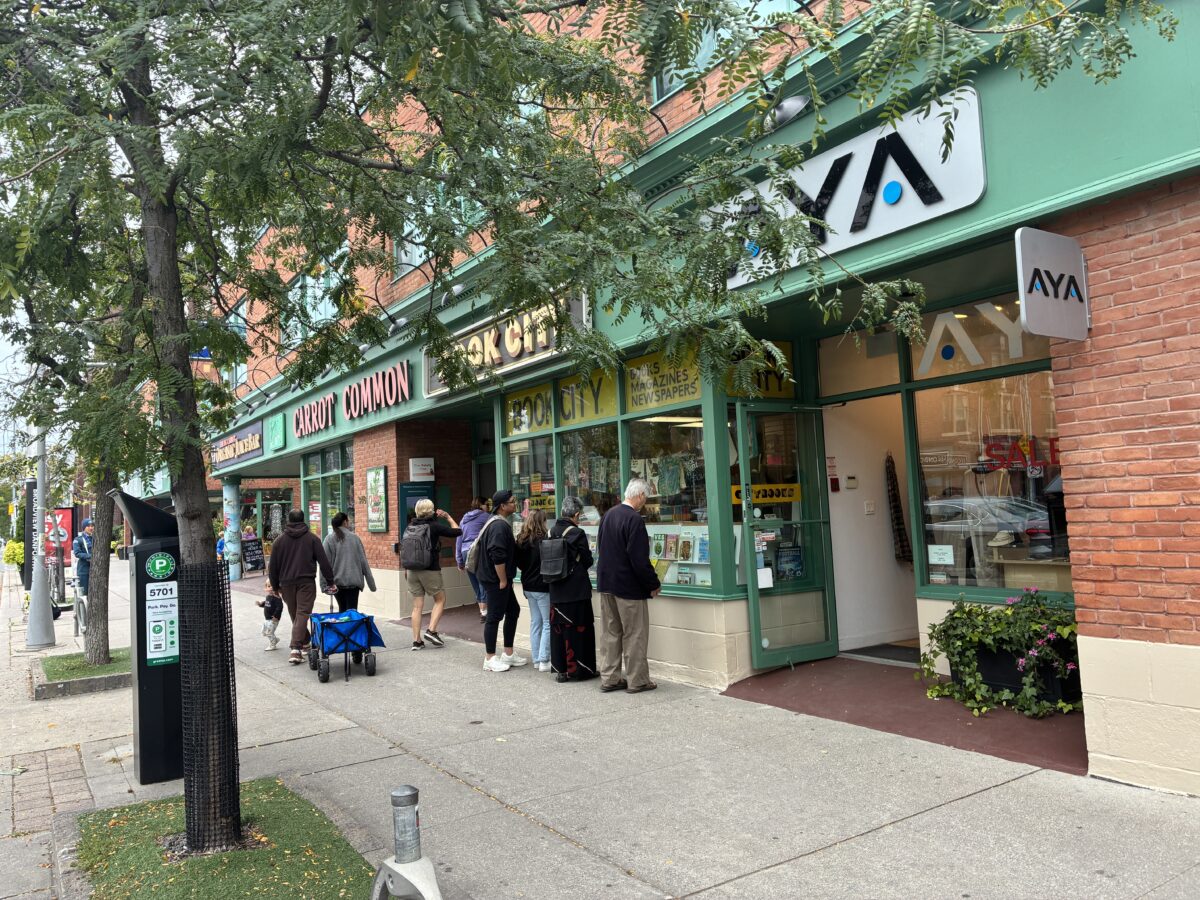
Book City grew from that first Annex store into a mini-chain that, at its peak, ran six stores across the city at once.
The flagship Annex location closed in 2014, after 38 years in business. It’s one of several openings and closures that have reshaped the chain over five decades.
The four stores that remain each carry different tenure profiles. Danforth, opened in 1988, is both the chain’s oldest surviving store and its largest, roughly 600 square feet bigger than the Beach location.
The Beach store opened in 1996 and now ranks as the company’s second largest.
Bloor West Village has the most complicated history of the four. The original store ran for more than 20 years before high rents and competition from a nearby Chapters location pushed Book City to close it in 2012.
When that Chapters store shut down soon after, Donker saw an opening. Book City reopened in 2014 in a smaller, roughly 1,800 square foot space two doors from its old address, a bet that paid off on a neighbourhood he felt still wanted a bookstore.
Yonge and St. Clair rounds out the four, the store where Donker himself has the deepest personal history, having returned to Toronto and started there as floor manager in 2000.
Staff Who Stay for Decades
Staff longevity, more than location or inventory, is what Donker credits with holding the chain together for five decades.
“A lot of it comes down to the choosing of our manager,” he said. “Our managers last for many, many years, and key staff members stay for many, many years.”
The company’s longest-serving manager works at the Danforth store, Book City’s oldest surviving location. He has managed the shop since 1997.
At Yonge and St. Clair, one staff member has worked with the company since the late 1980s, across three different locations. “She’s wonderful,” Donker said.
It shows up on the floor as much as on the org chart. A Book City store is the kind of place regulars stop into to talk about a new release, argue about an old one, or just catch up with whoever’s behind the counter that day.
Donker gives his managers the room to build that. “They buy for their own stores, and they create a community based on their conversations and discussions with customers,” he said. “I can’t emphasize enough how important that resource is.”
That autonomy is what allows each store to build its own identity instead of reading as a franchised copy of the others.
Fiercely Independent, Quietly Marketed
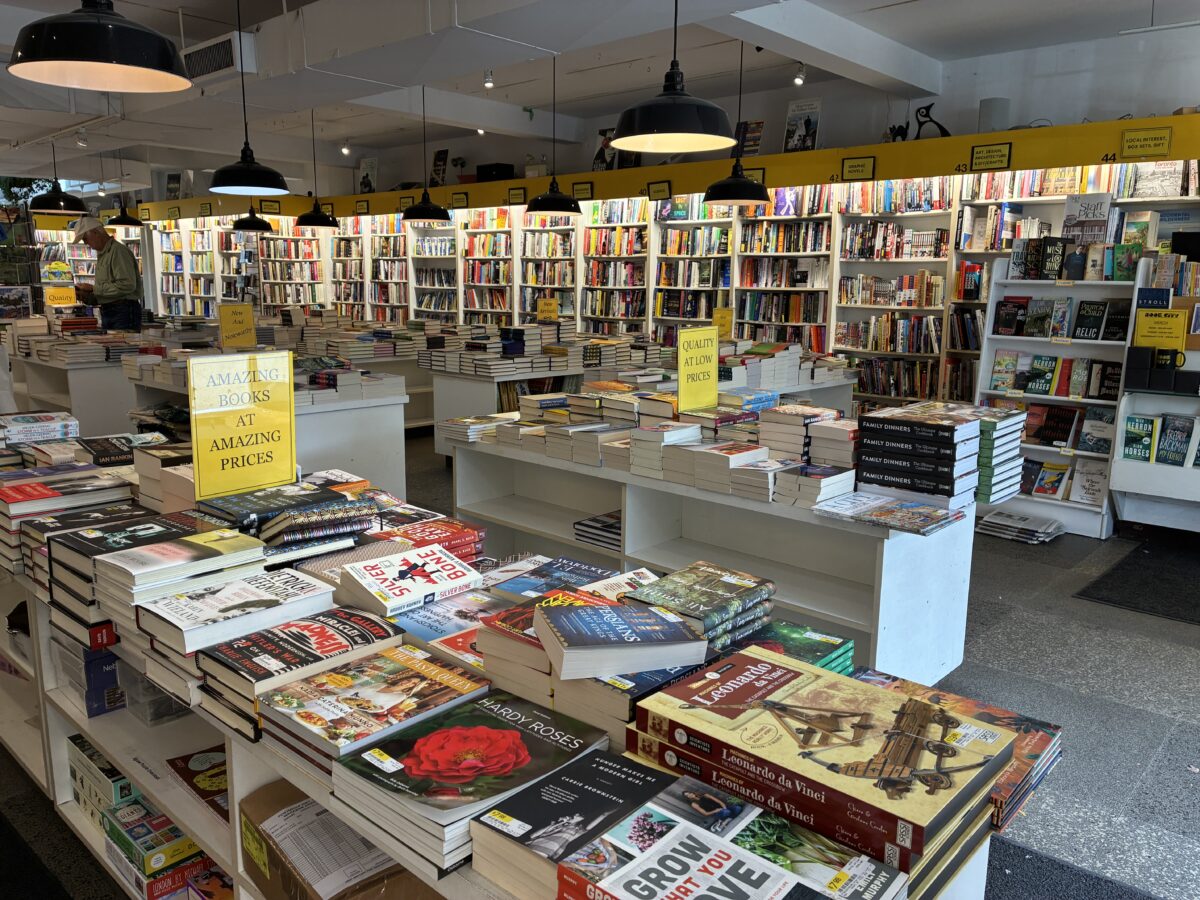
Book City has had a tagline for as long as most of its stores have been open. It’s printed on the store’s bookmarks: “fiercely independent since 1976.”
But Donker doesn’t lean on it. “We’re the neighbourhood bookstore, which by definition makes us an independent, Canadian-run small business,” he said. “That’s how we market ourselves. We just don’t actively promote our independence as its own selling point.”
Part of that comes down to how long the stores have already been around. “After fifty years, there’s a lot of assumption already built in,” he said.
“People in these neighbourhoods already know us,” he added. “Most of what we do is just remind them we’re still here. You might not have walked through our door in a few years, but we are, and we’d love to see you again.”
Where a newer bookstore has to define itself to a neighbourhood from scratch, Book City doesn’t need to. Fifty years of just being present does more work than a campaign could, tagline or not.
Toronto’s independent bookstore scene isn’t shrinking uniformly, even as national chains have pulled back. Book Bar, a liquor licensed bookstore in the Mirvish Village development, opened earlier this year and has already built a following, evidence that the city’s appetite for independent booksellers hasn’t disappeared even as the retail landscape around them keeps shifting.
Competing With Amazon and Indigo on Service, Not Speed
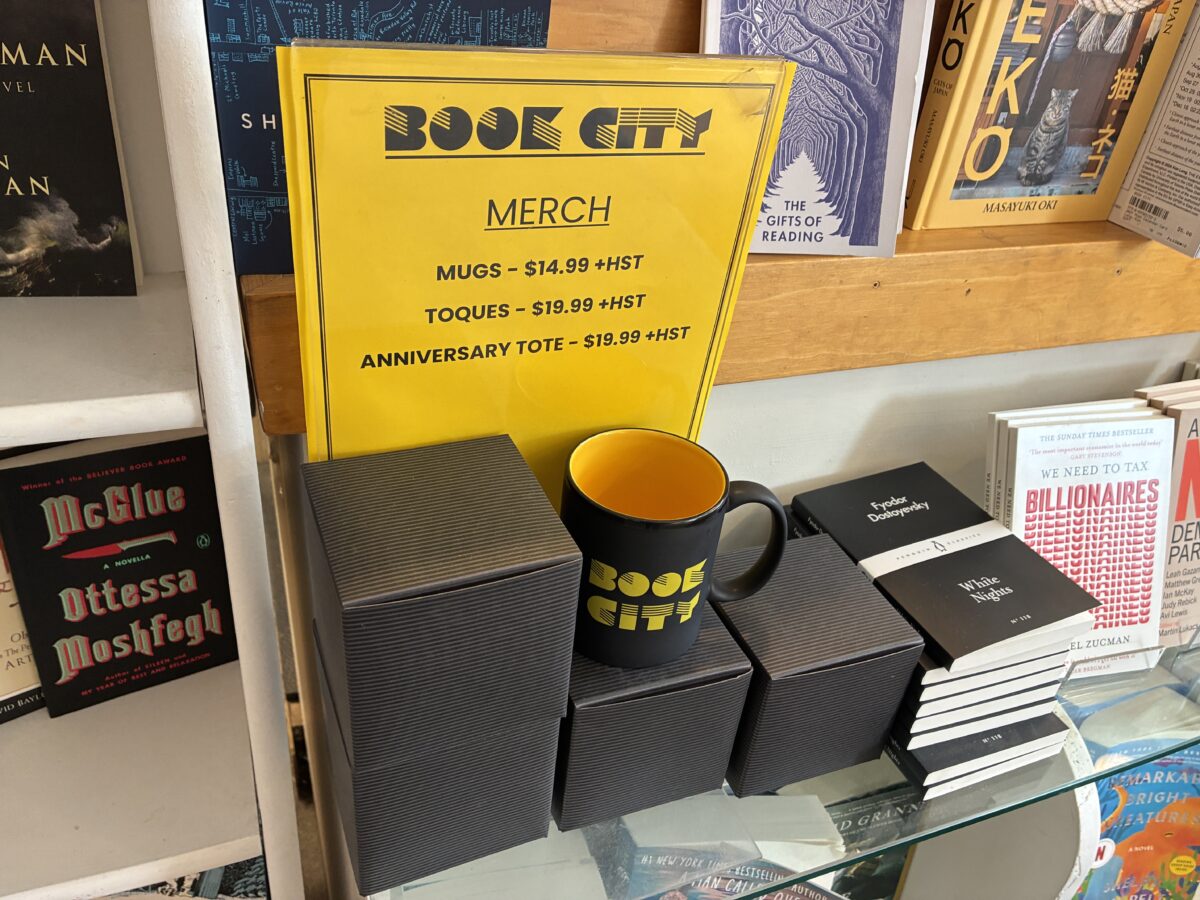
Under Donker’s ownership, Book City has held its ground against Amazon, Indigo, and a broader shift to e-commerce and ebooks. It has done so without outside investment, franchising, or expansion beyond the GTA, making it one of the longer-running independent booksellers in the city.
Asked how a four store chain competes with the big players for foot traffic, Donker points to special orders and staff knowledge rather than price or speed.
“Very often, the books we order aren’t the bestsellers,” he said. “They’re books people have seriously looked for a long time and need a little extra hand holding to get. Some of them aren’t even bestsellers from five or six years ago, the kind nobody keeps on shelves anymore.”
“That’s where we offer something personal, something people value. Someone might be looking for a book that was a bestseller in the UK but can’t find it here. We know a small press holds the North American rights, and we track it down. That personal contact is what makes people come to us instead of ordering online.”
He also credits a willingness among Toronto shoppers to choose local on purpose, something he doesn’t take for granted after fifty years of relying on it.
“Our customers make a conscious effort to support us, and that’s something we’re really blessed with,” he said. “People feel the need to support their neighbourhood shops, and Toronto is a special place for that.”
Even the pandemic forced move online hasn’t undercut that habit. Book City built its website within two to three weeks of the initial 2020 shutdown.
Online orders for hard to find titles have since become routine. But most of those customers still choose in-store pickup over delivery, telling staff they want to pick up at Bloor West Village or the Danforth specifically because they want to make the trip into the store.
Reading a Neighbourhood Through Its Children’s Section
Donker also reads his neighbourhoods through something more granular than sales totals: what the children’s section is selling in a given season.
“The kids’ section is probably the best example,” he said, describing the Danforth store specifically. “It’ll be heavy into board books for years, and we can never stock enough. Then you see the shift: the families who moved into the area together age through our store together. You can’t sell a board book after seven or eight years.”
He thinks bookselling holds up better against those generational swings than categories like hardware or home renovation, where a family’s spending can disappear entirely for years at a stretch depending on their stage of life, then return all at once once priorities shift again.
Danforth sits in the middle of Greektown, one of the highest concentrations of restaurants per kilometre in the city. It’s also been, since the 1970s, one of the largest Greek communities in North America outside of Greece itself.
The neighbourhood has diversified considerably since then, but it still draws over a million visitors every August for the Taste of the Danforth festival. It’s the kind of demographic churn and renewal that Donker says shows up first in what’s selling on his children’s shelves.
Fifty Years Later
Preparing for the anniversary meant reaching out to former staff, current employees, and longtime customers, a process that left Donker thinking harder about the business than he expected.
“I think the bookstore turning 50 was harder than me turning 50,” he said. “When I turned 50, I didn’t think of it for a second.”
“This has made me think a lot more about legacy, and about a work life that was also very personal. In bookselling, you’re part of a lot of people’s social lives. It’s a real responsibility, not just to run a business, but to be a service to the community.”
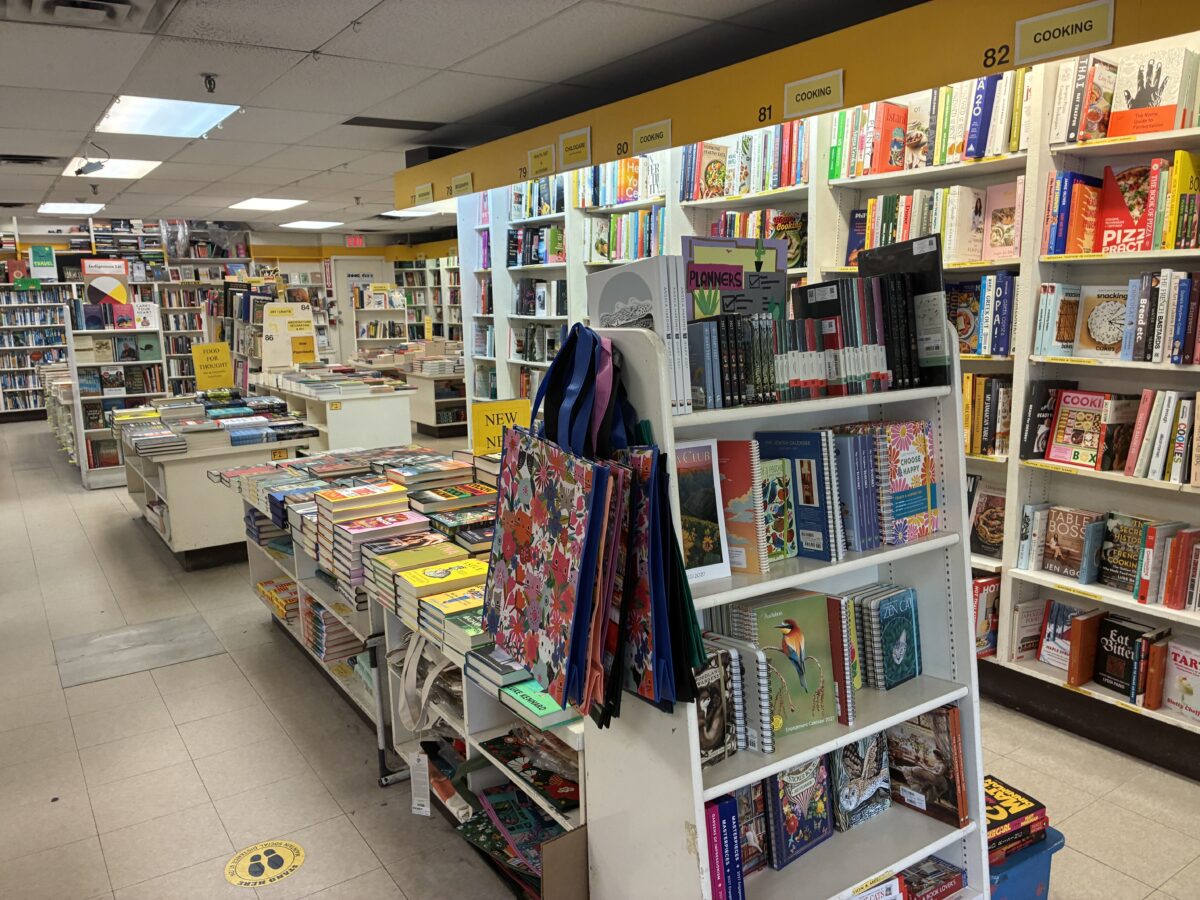
That responsibility, in his telling, extends past his own family to everyone who’s worked for the company across five decades.
“We owe so much, me and my family, and our staff who’ve devoted so much time and energy to nurturing these relationships,” he said. “All of us owe a lot to the neighbourhoods of Toronto, who’ve supported us through the ups and downs, and made a conscious effort to shop local, even when it’s a little more expensive.”
Fifty years after Frans and Gini Donker opened the first store on Bloor Street West, that’s the same arrangement still holding four stores together today, run by their son, alongside staff whose own tenure in some cases outpaces his.
“I’m long-winded, so I could probably talk another three hours on running Book City,” Donker said, laughing, when asked if there was anything he wished he’d been asked. He figures he’ll have five more things he wishes he’d said by next week.

Dustin Fuhs is the founder and Editor-in-Chief of 6ix Retail, Toronto’s premier source for retail and hospitality industry news. As the former Editor-in-Chief of Retail Insider, Canada’s most-read retail trade publication, Dustin brings over two decades of expertise spanning retail, marketing, entertainment and hospitality sectors. His experience includes roles with industry giants such as The Walt Disney Company, The Hockey Hall of Fame, The Canadian Opera Company, Starbucks Canada and Blockbuster.
Recognized as a RETHINK Retail Top Retail Expert in 2024, 2025 and 2026, Dustin delivers insider perspectives on Toronto’s evolving retail landscape, from emerging brands to established players reshaping the city’s commercial districts.