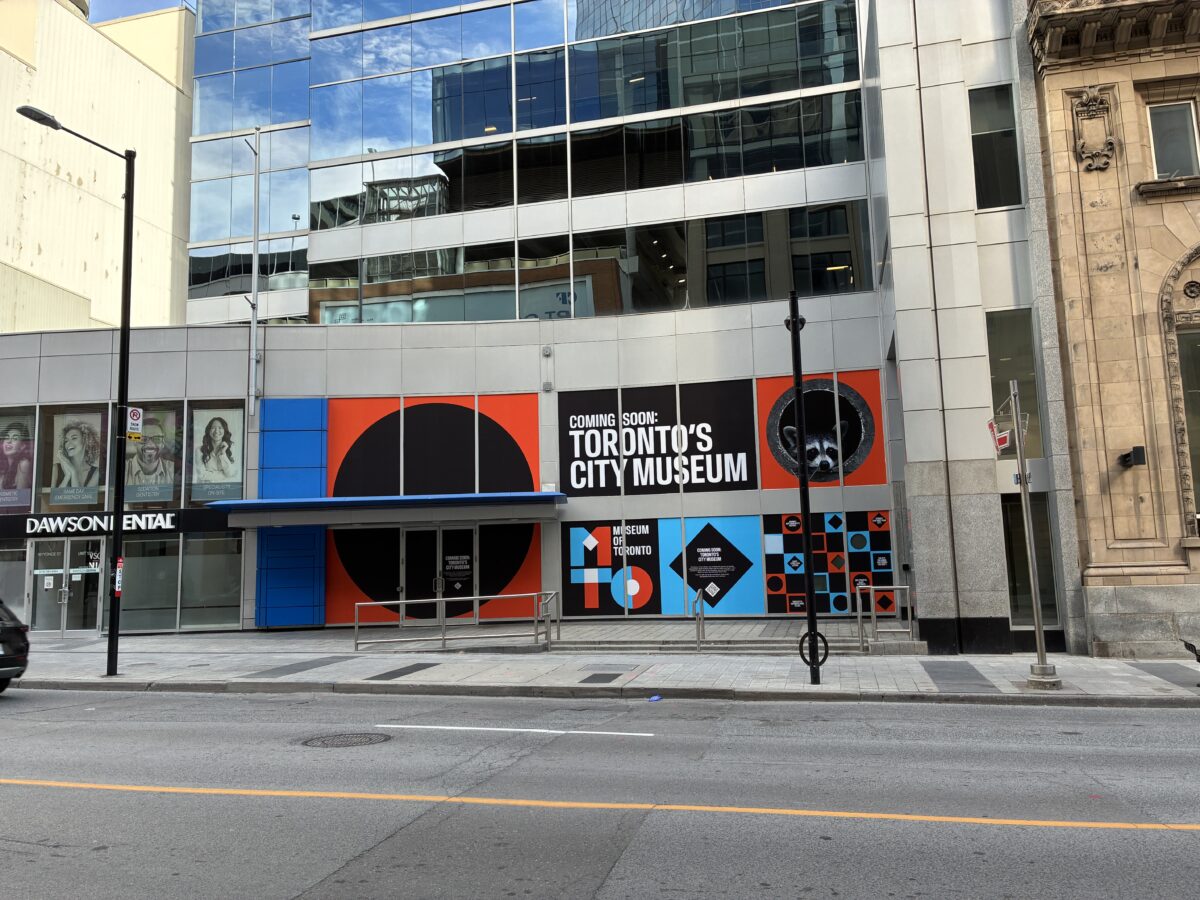

Museum of Toronto, the independent charitable museum dedicated to the city’s history, is getting a permanent address. It will open at 2 Queen Street East, on the northeast corner of Queen and Yonge, in spring 2027.
The move is backed by a $35 million gift from philanthropists Diane Blake and Stephen Smith, which brings their support for the museum to more than $50 million since it was founded in 2014. Toronto architecture firm Superkül is turning a former Bank of Montreal space into galleries, with construction by mform, project management by Avison Young and a new visual identity by Bruce Mau Design.
Admission will be free, and the museum is moving into one of the busiest retail and transit hubs in the country, steps from the CF Toronto Eaton Centre and directly connected to Queen subway station.
In interviews with 6ixRetail.com, CEO Heidi Reitmaier walked through what visitors will find inside, while Downtown Yonge BIA executive director Pauline Larsen explained how the neighbourhood is preparing for its newest cultural anchor.
For an organization that spent its first decade without a permanent home, this is the biggest step in its history. The new building establishes Museum of Toronto as a permanent civic institution, with room for a city history exhibition, rotating special exhibitions and public programming.
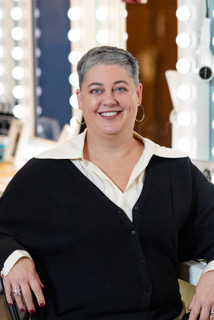
“This is a defining moment for Museum of Toronto,” says Reitmaier. “For more than a decade, we’ve worked with experts and communities across the city to tell Toronto’s stories in a way that reflects how diverse and complex our city really is.”
“This transformational gift lets us take the next step and create a permanent home where our history can be shared, experienced and questioned,” she continues. “Toronto is changing quickly, and creating space for connection and a shared sense of belonging has never been more important.”
Blake, who co-founded the museum, framed the gift around a gap in the city’s cultural life. “Toronto is one of the most dynamic cities in the world, yet we never created the space to fully tell and celebrate our own history,” she said in announcing the gift. “We believe deeply in Museum of Toronto’s vision and in building a lasting cultural institution that reflects this city. This is about creating something enduring that will serve Toronto for generations to come.”
The museum isn’t stopping at one donation. According to its fact sheet, it has set an additional $10 million fundraising goal and is looking for partners among individuals, foundations, the business community and all three levels of government.
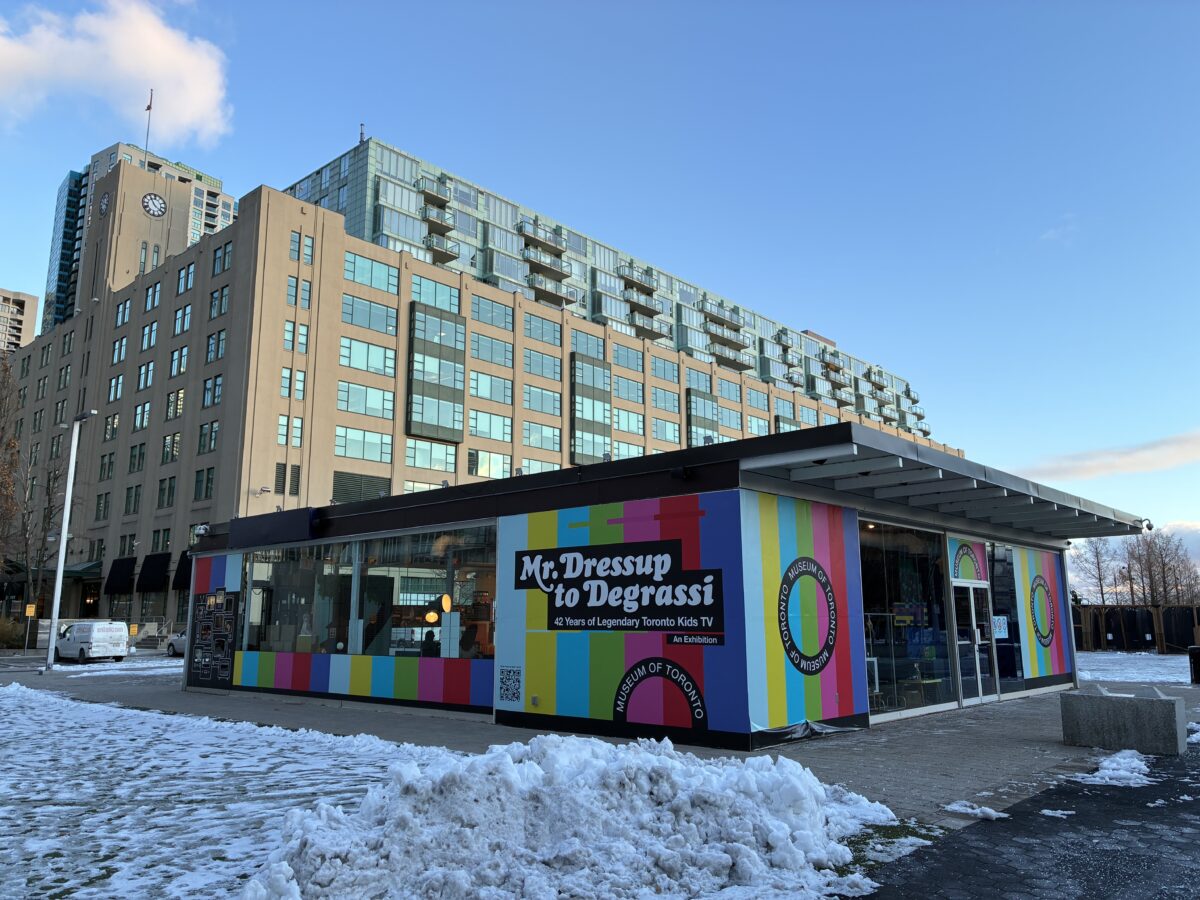
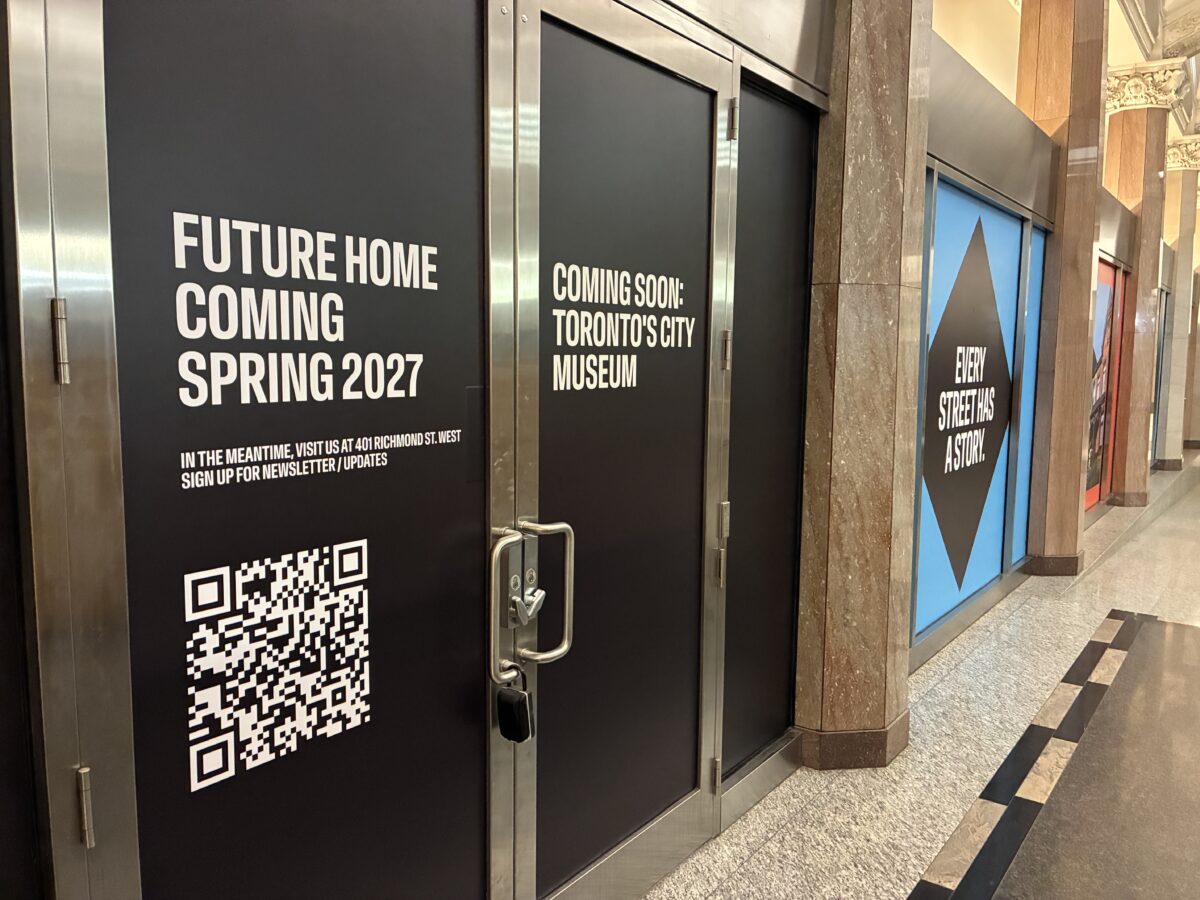
Museum of Toronto began life as Myseum, a “museum without walls” that staged pop-up exhibitions across the city and built a following through digital storytelling. In 2022 it opened a 1,400 square foot gallery inside 401 Richmond, where it drew more than 85,000 visitors in 2023, and it dropped the Myseum name in April 2024 in favour of a simpler, more recognizable one.
Its new home is a very different proposition. The building connects directly to Queen subway station and the PATH, with the CF Toronto Eaton Centre across the street.
“Our new home at Queen and Yonge puts Museum of Toronto at the heart of the city’s daily life,” Reitmaier says. “With a street-level presence, direct connections to transit and major downtown destinations all around us, we have an incredible opportunity to reach people who might not otherwise plan a museum visit.”
The goal is a museum people visit on impulse. “We want people to feel comfortable dropping in, whether they have an hour to explore or just a few minutes between other activities,” she adds. “Free admission will remain central to making the museum an accessible and welcoming space for Torontonians and visitors alike.”
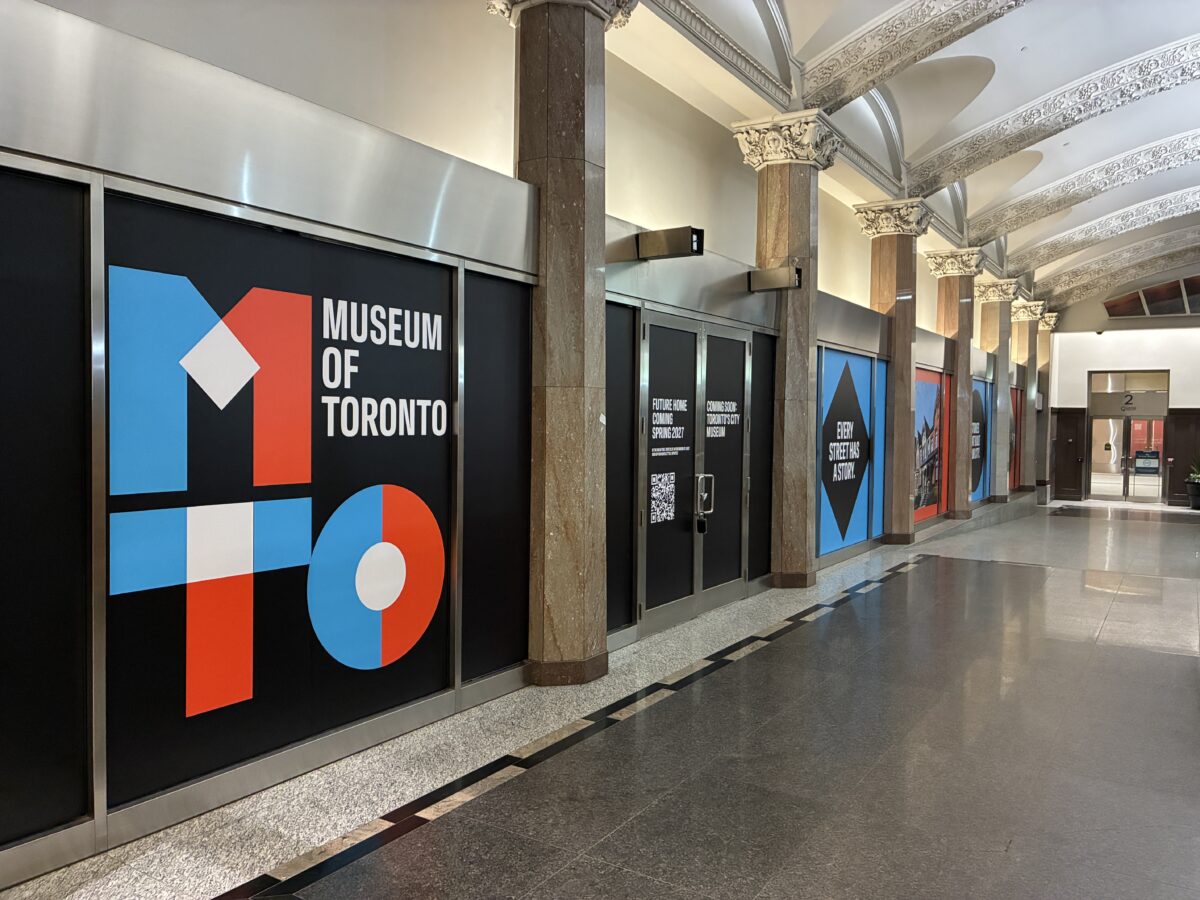
Securing a space at Queen and Yonge was no small feat for a cultural organization.
“We were very fortunate to find the 2 Queen East space, given Toronto faces a severe shortage of affordable arts and cultural spaces,” Reitmaier acknowledges. “What attracted us was a central location that holds an element of Toronto’s history in the 1910 bank façade, and is very much part of its present with the 20 storey tower completed in 2003.”
The former bank’s layout suits museum use. The main floor divides easily into permanent and special galleries, and much of it has double-height ceilings that can carry a lighting grid and large hanging objects. An existing office mezzanine will house staff.
Superkül, founded in 2002, has built its practice on complex retrofits and the reimagining of heritage spaces and cultural landmarks. Partner Meg Graham says the design takes its cues from the city itself.
“It’s been a privilege to collaborate with the passionate people behind Museum of Toronto on its first purpose-designed space,” says Graham. “Our city is defined by its diversity, its topography and its vitality. From the open, street-level galleries to the flexible spaces for immersive programming, the design will reflect those qualities and give artists, storytellers and curators a dynamic platform to bring Toronto’s histories to life. This will be a museum of and for Toronto, through and through.”
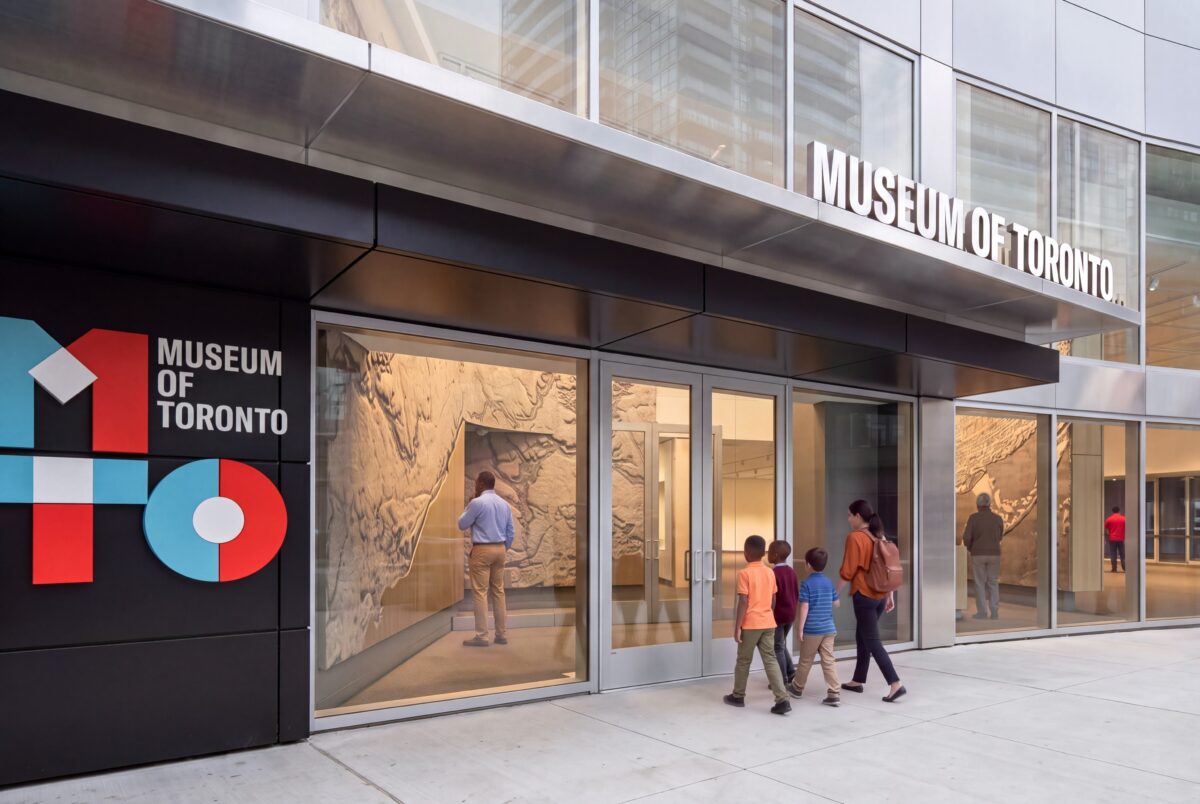
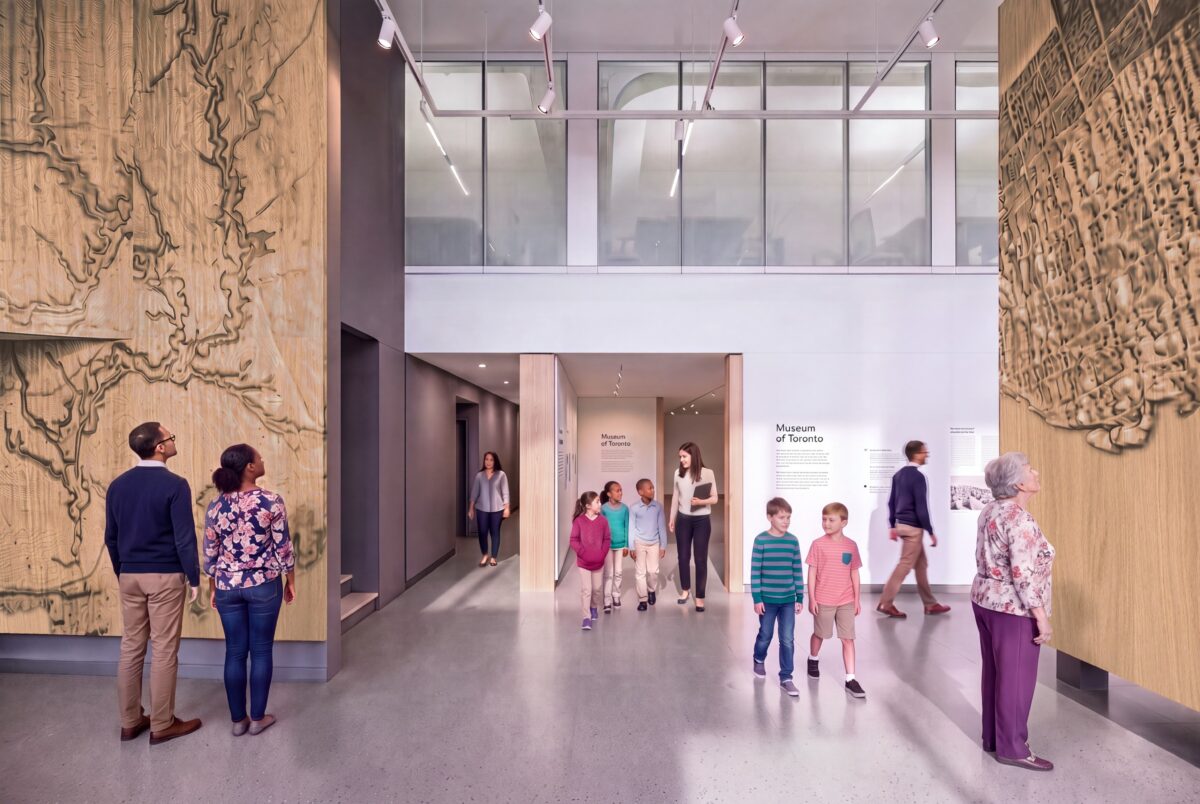
The visitor experience begins with the land. A sweeping feature wall at the entrance will display a pre-settlement map of Toronto.
Beyond it, a gathering space will hold a small retail area and a community hall, with a showcase featuring objects and storytelling from the archives of communities across the city. According to the fact sheet, the museum will offer four exhibition galleries totalling 5,246 square feet, with capacity for 150 visitors, along with a public art installation and an Indigenous welcome sound installation.
The permanent exhibition, This Toronto of Ours: A City in Six Parts, traces the city from its earliest communities to the present day across six interconnected themes: Passage, People, Places, Persona, Power, and Pastimes and Pleasures.
“Through historical objects, interactive elements and stories developed in collaboration with communities, we want visitors to discover perspectives they may not have encountered before,” Reitmaier explains, “and see how Toronto’s past continues to influence its present.”
The museum plans to open Wednesday through Friday from noon to 6 p.m. and Saturdays from 10 a.m. to 6 p.m.
The first special exhibition, Lights, Camera, T.O.: Toronto on Film, looks at the city through its screen history.
“Toronto is often recognized as a filming location that stands in for other cities, but we wanted to turn the spotlight on the filmmakers and creative communities who have developed a distinctly Toronto voice,” Reitmaier notes.
The exhibition is organized around five themes: Growing Up; Lucid Dreams and Twisted Nightmares; Love, Lust and Desire; Arrivals and Departures; and Hollywood North. Film clips, artifacts and immersive storytelling will guide visitors through each one, and special exhibitions are expected to rotate annually.
“Together, these exhibitions reflect what Museum of Toronto is all about: telling the city’s stories through different perspectives and creating opportunities for people to connect with Toronto in unexpected ways,” she says.
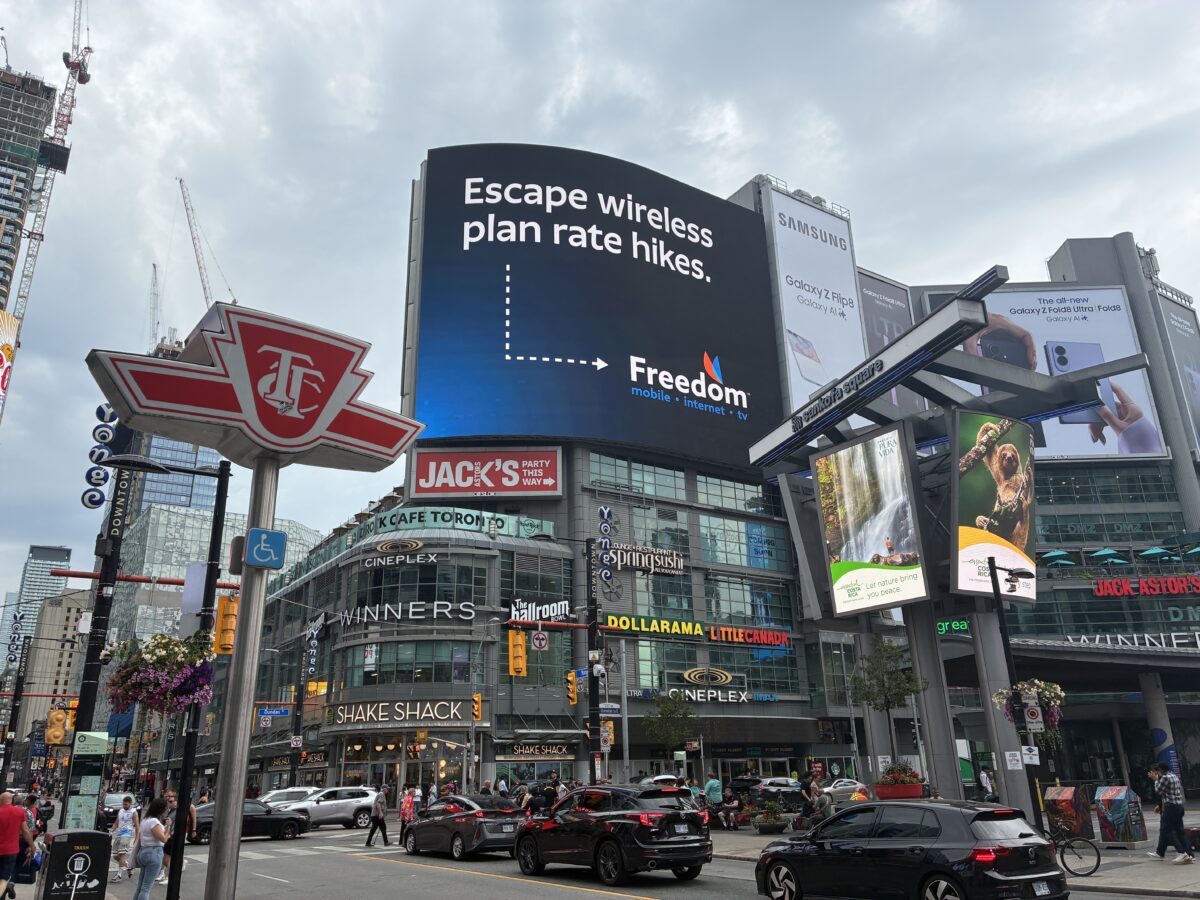
Reitmaier sees the museum becoming part of a bigger downtown outing.
“We could see ourselves on the same itinerary as Pocket Planet or the Theatre Museum, or as part of a visit while shopping at the Eaton Centre, meeting friends for lunch or exploring the neighbourhood,” she says. “Our location and free admission make it easy for people to add a cultural experience to their day without planning ahead.”
The district gives her plenty to work with. According to the BIA, Downtown Yonge drew nearly 70 million pedestrians in 2025 and is home to nearly 250,000 residents, more than three million square feet of retail and over 630 streetfront and mall businesses, along with 47,000 post-secondary students at Toronto Metropolitan University. More than 250 new businesses opened in the area between 2021 and 2025.
That reach will grow. Queen station is being rebuilt as the downtown interchange for the Ontario Line, the 15.6 kilometre, 15 station subway that will run from Exhibition Place through downtown to Don Mills and Eglinton. The new platforms are being drilled out of rock directly beneath the existing Line 1 station, and Metrolinx expects Queen to be the line’s busiest stop, with close to 17,000 people passing through during rush hour.
The province is now targeting the early 2030s for the line’s opening. When it arrives, the museum’s front door will sit above a transfer point meant to ease pressure on Bloor-Yonge, putting riders from King and Bathurst, Leslieville and Thorncliffe Park a single trip away.
For the Downtown Yonge BIA, the announcement fits a plan already in motion. Building the area as a destination for arts and culture is one of its key strategic priorities.
“One of DYBIA’s key strategic priorities is to champion diverse businesses, experiences and communities and build Downtown Yonge as a key destination for arts and culture, so we’re excited to welcome Museum of Toronto’s permanent home,” Downtown Yonge BIA executive director Pauline Larsen says. “Cultural attractions draw visitors and foot traffic into the area, often enticing longer and more frequent visits, which in turn support local retailers and restaurants.”

Asked whether members could work directly with the museum, she didn’t hesitate. “Absolutely. One example is coordinated programming tied to exhibitions and neighbourhood events, like walking tours or pop-up tiny desk concerts,” Larsen explains. “Another is special offers or packages with restaurants, retailers, hotels and entertainment venues. There’s also scope for shared campaigns that encourage museum visitors to explore more of what Downtown Yonge has to offer.”
The BIA also sees itself as a connector. “We can help connect the museum with local partners, promote activities across our channels and identify opportunities for members to take part in seasonal celebrations, cultural activations and public realm programming,” she continues. “The goal should be a collaborative relationship that creates value for the museum, our members and everyone who visits Downtown Yonge.”
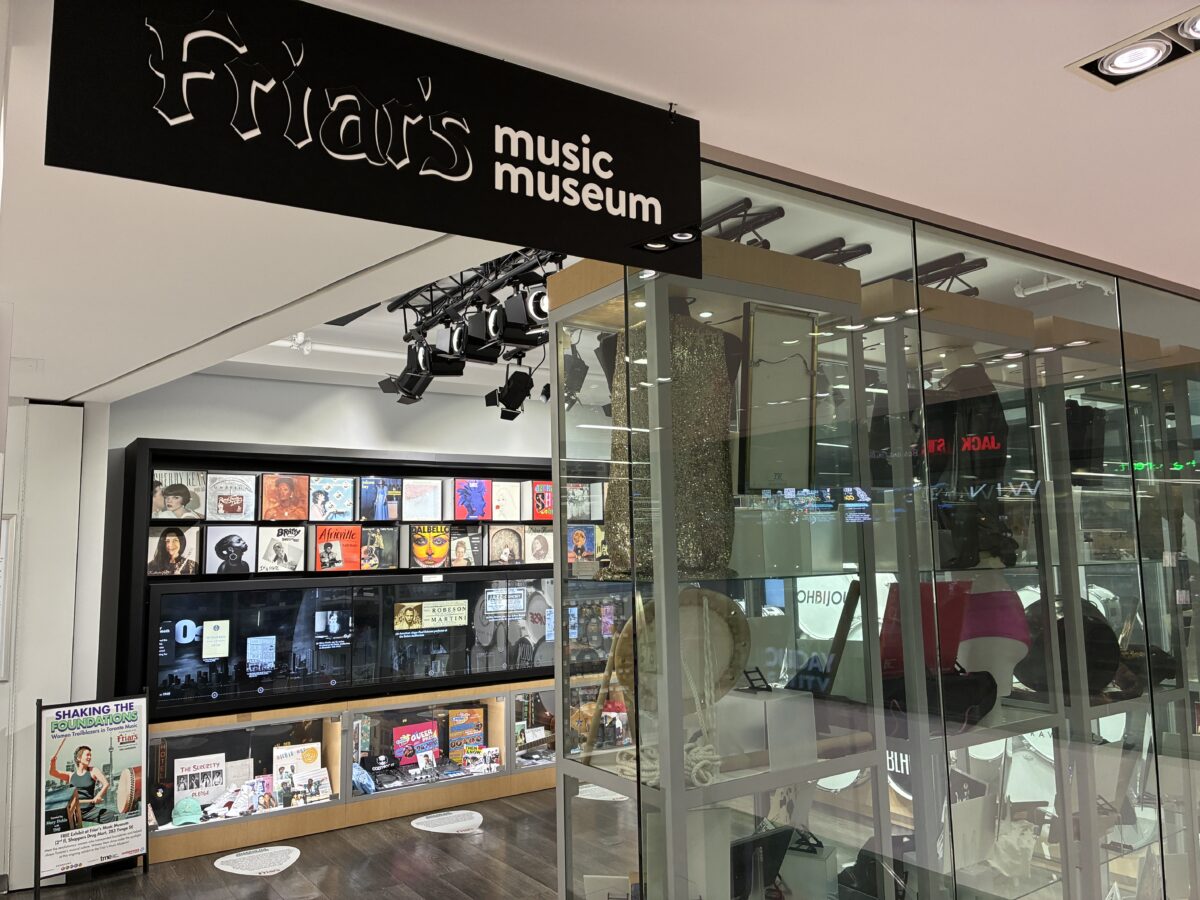
The museum is landing in a neighbourhood with deep cultural roots. “As a designated Cultural Corridor, Downtown Yonge is already home to the Friar’s Music Museum and the historic Mackenzie House, as well as the iconic Massey Hall, the Elgin and Winter Garden Theatres and the CAA Ed Mirvish Theatre,” notes Larsen. “Museum of Toronto adds to Downtown Yonge’s reputation as a vibrant arts and culture destination, and supports the energy of this bustling neighbourhood for tourists, residents, employees and students alike.”
The corridor will grow again when Canada’s Theatre Museum opens its new home inside the Elgin and Winter Garden, steps from the museum’s front door.
Retail nearby is drawing a younger crowd. LEGO has opened its first downtown store at the CF Toronto Eaton Centre, Pop Mart is moving into a store nearly three times the size of its first one there, MINISO LAND hoarding is up on Level 1, and Pocket Planet Canada has made its Yonge and Dundas location the brand’s global flagship. A free history museum gives those families and teens somewhere to go between stops.
Reitmaier is eager to work with her new neighbours. “Community and cultural collaboration has always been fundamental to our work,” she says. “We’re excited about the opportunities this location creates to build relationships with the BIA, neighbouring businesses, cultural organizations and community partners.”
The City is also part of the picture. Museum of Toronto and the City of Toronto have formalized an alliance to explore programming collaborations and joint projects.
“As a global cultural capital, Toronto deserves top-tier institutions that can tell the city’s stories compellingly and comprehensively,” says Pat Tobin, general manager of the City’s Economic Development and Culture division. “With this development, Museum of Toronto will amplify our city’s stories, histories and heroes. They’re creating a beautiful free space for Torontonians, where residents and visitors alike can meet, hang out, learn and be inspired.”
The museum remains an independent charity, and the City’s own plans for a city museum are still taking shape a few blocks west. In February 2025, Council asked staff to study a museum and a library branch at Old City Hall, which remains vacant while future uses are reviewed. Chicago offers one model: the Chicago History Museum is a privately endowed institution that operates in partnership with the Chicago Park District.
A free, central history museum is also a natural destination for school trips. The City’s designated motor coach loading areas are concentrated at downtown hotels, so drop-off near Queen and Yonge is worth planning well before the spring and fall tour seasons.
The surrounding strip is in transition too. The former Hudson’s Bay flagship across Yonge has been dark since June 2025. Hard Rock Cafe announced its return to Yonge and Dundas in 2024 with a fourth-floor space at The Tenor, but it has yet to open, and The Tenor’s directory still lists it as closed. Ballroom Bowl closed its Yonge and Dundas location this month. Against that backdrop, a museum with a confirmed opening date and $35 million behind it brings welcome momentum.
Reitmaier has opened a museum in a new home before. As executive director of the Museum of Contemporary Art Toronto, she led its 2018 move into the Tower Automotive Building, and she later served as a deputy director at the Art Gallery of Ontario.
“MOCA was an extraordinary experience, and being able to open that institution and establish it as an anchor in what was then an emerging neighbourhood was very exciting,” she recalls. “Opening a new museum space is about much more than the building itself. It’s about creating an institution people feel connected to and want to return to. The visitor experience, programming and relationships with the community have to evolve alongside the physical space. Museums are about people.”
She’s clear that opening day is only the beginning. “Spring 2027 is an important milestone, but certainly not the finish line,” says Reitmaier. “Our ambition is to build an enduring civic institution that continues to grow, collaborates with communities across the city and helps people understand Toronto and their place within it.”
Related Articles
- Museum of Toronto Proved Demand for Toronto’s Kids TV Legacy. Let’s Build Something Permanent.
- Downtown Yonge’s Transformation: Food Service, Safety, and Advocacy

Dustin Fuhs is the founder and Editor-in-Chief of 6ix Retail, Toronto’s premier source for retail and hospitality industry news. As the former Editor-in-Chief of Retail Insider, Canada’s most-read retail trade publication, Dustin brings over two decades of expertise spanning retail, marketing, entertainment and hospitality sectors. His experience includes roles with industry giants such as The Walt Disney Company, The Hockey Hall of Fame, The Canadian Opera Company, Starbucks Canada and Blockbuster.
Recognized as a RETHINK Retail Top Retail Expert in 2024, 2025 and 2026, Dustin delivers insider perspectives on Toronto’s evolving retail landscape, from emerging brands to established players reshaping the city’s commercial districts.