
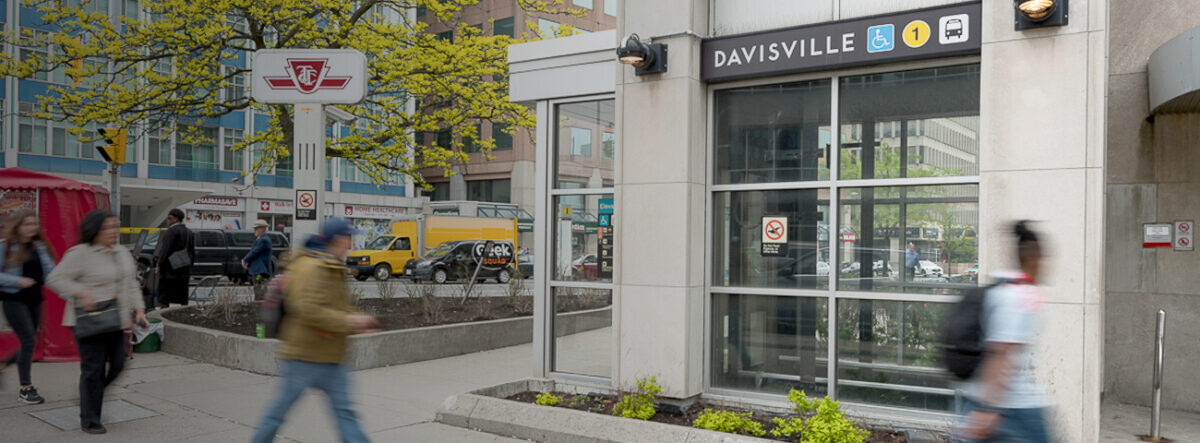
In a significant development for transit retail expansion, the Toronto Transit Commission Board has approved Councillor Josh Matlow’s motion directing staff to explore the feasibility of establishing a brick-and-mortar TTC merchandise store. The motion, which passed on Monday, June 23, 2025, specifically targets Davisville Station or an equivalent centralized location for the proposed retail operation.
The motion mandates that TTC staff report back to the Board by the end of Q4 2025 with comprehensive findings, including potential costs, benefits, and implementation strategies for the physical store concept. This formal directive represents the first concrete step toward realizing what could become a significant new revenue stream for Toronto’s transit system.
Councillor Matlow’s motion explicitly frames the initiative as both a revenue generation opportunity and a brand-building exercise, seeking to “make non-fare revenue and build more appreciation for the TTC.” This dual purpose aligns with global transit systems that have successfully leveraged merchandise retail to strengthen customer relationships while generating substantial income.
Origins: A Walk & Talk That Sparked the Motion
The concept for a physical TTC merchandise store emerged from a conversation I had with Councillor Matlow during a walk-and-talk session last month in his riding of Ward 12 Toronto—St. Paul. As Editor-in-Chief of 6ix Retail, Former Editor-in-Chief of Retail Insider and a ReThink Retail Top Retail Expert for 2024 and 2025, I had discussed the untapped revenue potential of transit-themed retail and highlighted the success of similar ventures in other major cities.
During our conversation, we examined how global transit systems like London’s TfL and Tokyo’s JR East had successfully monetized their brand equity through strategic retail operations. Our discussion particularly focused on how the TTC’s existing online shop demonstrated clear market demand that could be expanded through physical locations offering unique experiences and products unavailable online.
The informal policy development process reflects Councillor Matlow’s collaborative approach to municipal innovation, seeking input from retail industry stakeholders before bringing formal motions to the Board. Bringing insights from multiple backgrounds and focusing on retail strategy and market analysis was, in my humble opinion, part the motion’s specific focus on Davisville Station and the comprehensive feasibility study framework ultimately approved by the TTC Board.
Why Davisville Station Makes Strategic Sense
Davisville Station emerges as the leading candidate following Councillor Matlow’s specific mention of the location in his successful motion. The station offers unique advantages as home to TTC headquarters and major maintenance facilities, creating opportunities for behind-the-scenes experiences and exclusive memorabilia unavailable elsewhere.
The location could capitalize on its operational significance by offering authentic artifacts from retired subway cars, vintage signage, and exclusive items tied to TTC’s operational history. This positioning would differentiate a Davisville store from typical tourist merchandise outlets, appealing to both transit enthusiasts and local residents seeking authentic TTC memorabilia.
Additionally, Davisville’s central location on Line 1 provides strong connectivity throughout the subway system, ensuring accessibility for customers across Toronto while maintaining lower rent costs compared to premium locations like Union Station.
Alternative centralized locations referenced in the motion could include major interchange stations like Bloor-Yonge or St. George, which offer higher foot traffic but potentially higher operational costs. The feasibility study will likely compare these options against Davisville’s unique operational advantages.
Board Motion Timeline and Expectations
The approved motion establishes a clear timeline for the feasibility study, with TTC staff required to present findings by the end of Q4 2025. This timeline suggests the Board is treating the initiative seriously while allowing sufficient time for comprehensive analysis of costs, benefits, and implementation strategies.
The motion’s passage indicates broad Board support for exploring non-fare revenue opportunities, particularly those that could enhance public appreciation for the TTC. This aligns with the commission’s ongoing efforts to improve customer relationships while addressing budget pressures through diversified income streams.
Key elements the staff report must address include:
- Detailed cost analysis for store establishment and ongoing operations
- Revenue projections based on comparable transit retail operations
- Implementation strategies including staffing, inventory, and operational integration
- Assessment of Davisville Station versus alternative centralized locations
- Risk analysis and mitigation strategies for the retail venture
Global Transit Retail Success Models
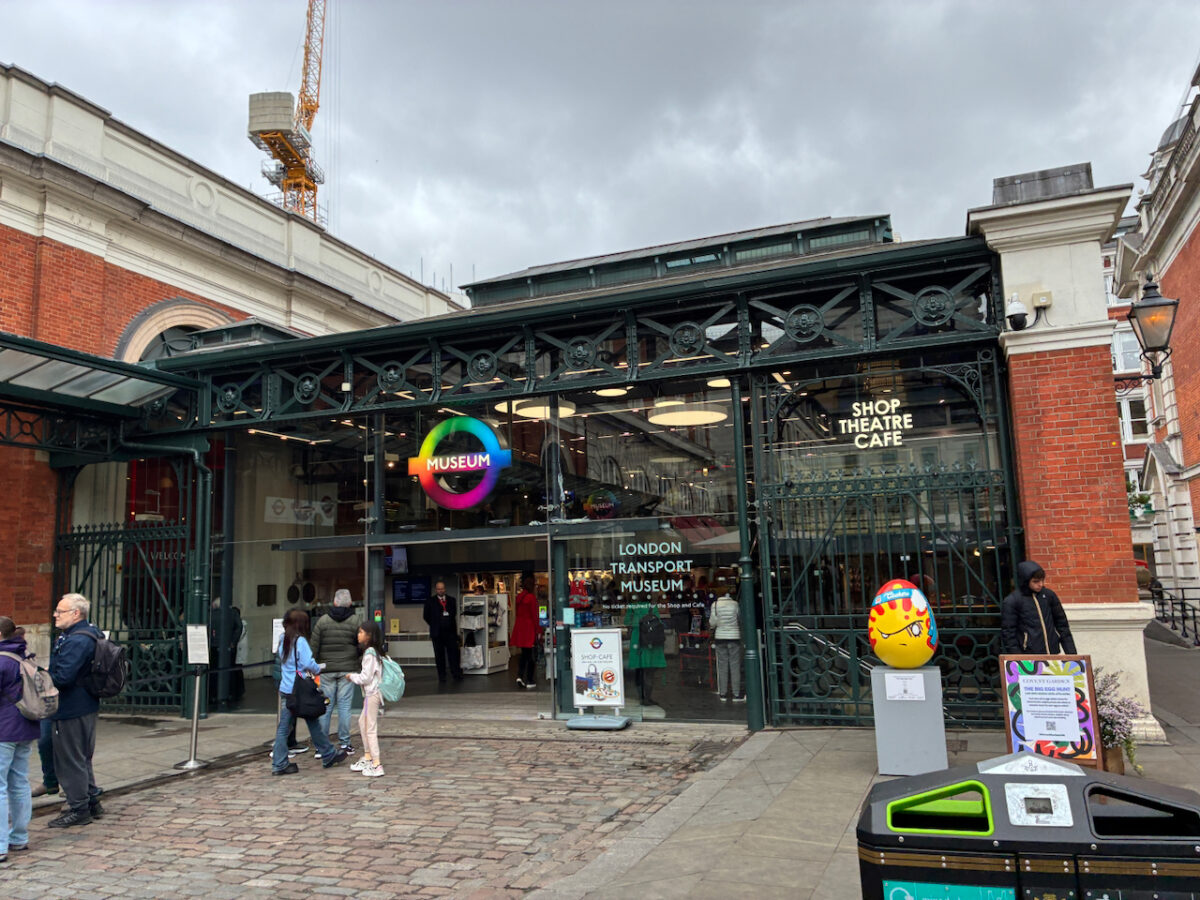
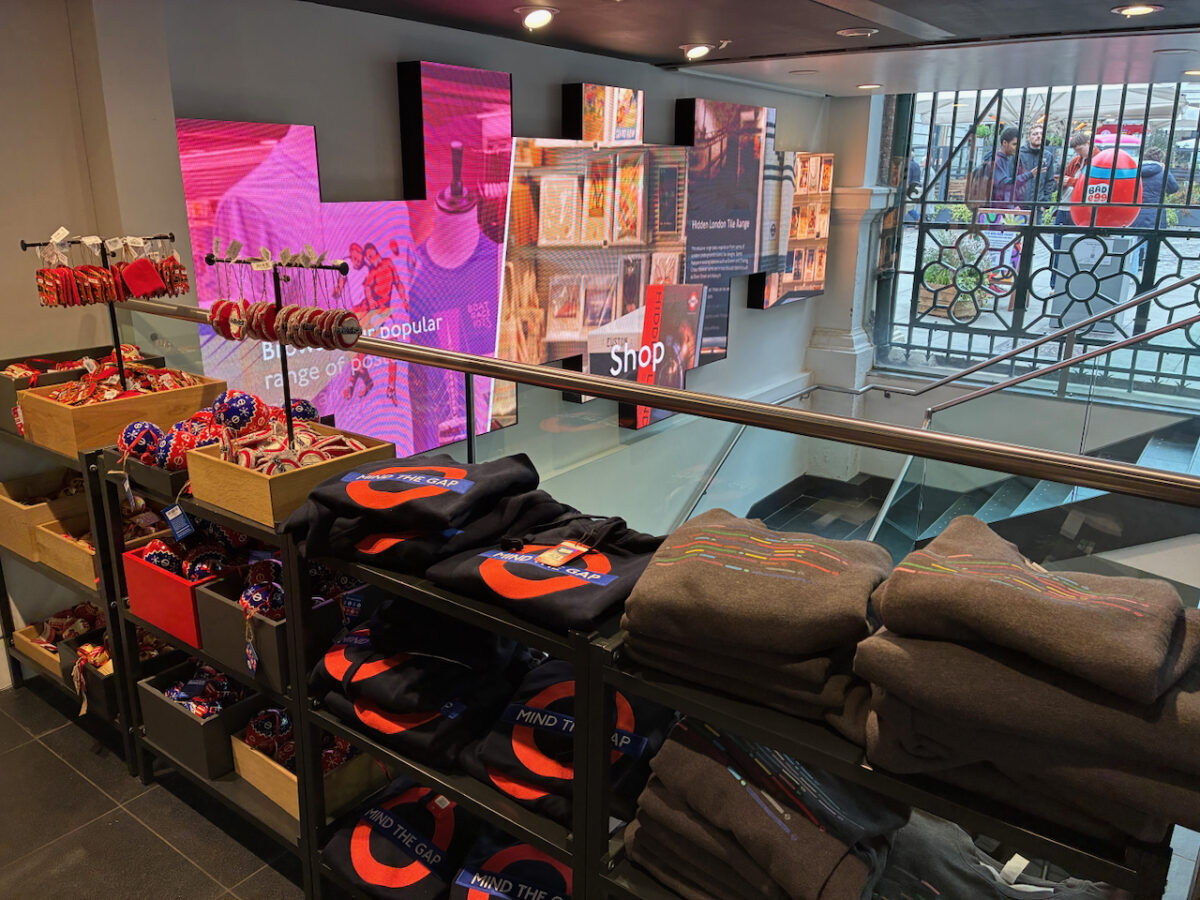
London’s Transport for London has established the benchmark for transit merchandise operations. The London Transport Museum Shop operates both physical and online locations, featuring the world’s largest collection of transport posters and branded merchandise. TfL’s commercial activities represent approximately one-third of fare revenue, demonstrating the scale possible for well-executed retail operations.
Tokyo’s JR East pioneered the “ekinaka” concept—retail complexes within train stations—serving 17 million daily passengers. Tokyo Station’s Gransta shopping complex includes specialized train merchandise stores selling everything from transparent file holders featuring the Suica penguin mascot to snow globes containing famous landmarks.
New York’s MTA operates multiple merchandise channels, including the official Transit Museum Store and a memorabilia sales program offering authentic artifacts like station signs and vintage tokens as collector’s items.
Canadian Transit Retail Precedents
Local transit retail success stories provide compelling evidence for the TTC’s proposed venture. At Union Station, Metrolinx has successfully operated pop-up merchandise stores, demonstrating strong consumer interest in transit-themed products and validating the commercial viability of station-based retail in Toronto’s market.
The Metrolinx pop-up store, featuring a modern glass-enclosed kiosk design with professional product displays, offers an extensive range of branded merchandise including GO Transit-themed apparel, accessories, and collectibles with prices ranging from basic items under $20 to premium merchandise exceeding $75. The store’s strategic location in Union Station’s high-traffic areas captures both daily commuters and tourists, with visible price lists and product catalogs demonstrating the sophisticated retail operation Metrolinx has developed.
The success of these Metrolinx pop-up operations at one of Canada’s busiest transportation hubs shows that Toronto transit users are willing to purchase branded merchandise when conveniently located within their daily travel patterns. The professional presentation, diverse product range, and prominent placement suggest strong sales performance that validates the market opportunity for transit-themed retail.

Additionally, VIA Rail’s permanent retail store, located just off Union Station’s grand hall, has established a successful precedent for passenger rail merchandise retail in the Toronto market. VIA’s store offers branded apparel, travel accessories, and Canadian railway memorabilia, proving that transportation-themed retail can thrive in Toronto’s premier transit hub.
These Canadian examples are particularly relevant to the TTC’s feasibility study, as they demonstrate proven demand for transit merchandise within Toronto’s specific market conditions and consumer preferences. The professional execution and sustained operation of these retail ventures show that transit agencies can successfully monetize their brand equity through well-designed merchandise stores that serve both functional and aspirational customer needs.
Implementation Considerations
Operational integration would leverage existing TTC infrastructure, with stores potentially accepting PRESTO card payments to create seamless transactions for transit users. The TTC’s substantial investment in system safety and security, including $33 million allocated for safety programs in 2025, provides a secure environment conducive to retail operations.
Staffing requirements could be minimized through integration with existing station personnel and security infrastructure, reducing operational overhead compared to standalone retail locations.
Inventory management would focus on high-margin items with strong tourist appeal while serving daily commuter needs through practical branded merchandise.
Revenue Potential Analysis for TTC Staff Report

The upcoming feasibility study will need to address substantial revenue potential demonstrated by global transit retail operations. The TTC currently operates an online shop offering items ranging from $12 connection card games to $45 retro holiday totes, indicating established consumer demand for branded merchandise.
Physical stores would expand product offerings to include bulky items difficult to sell online, such as authentic TTC artifacts, large-format poster prints, and location-specific collectibles tied to Davisville’s operational significance.
Market analysis suggests substantial revenue potential based on comparable systems. New York’s Metropolitan Transportation Authority currently generates $80 million annually from retail operations, while London’s Transport for London derives approximately $1.7 billion CAD annually from commercial activities including merchandise sales. Applied proportionally to TTC’s 538 million annual rides, similar success could yield tens of millions in annual revenue.
Political and Public Support Context
The motion’s successful passage reflects growing political recognition that transit systems must diversify revenue sources beyond traditional fare collection. Councillor Matlow’s initiative positions TTC retail as both a financial opportunity and a public engagement tool, potentially improving transit advocacy through enhanced brand appreciation.
The timing proves strategic, coming as the TTC implements its 2025 budget with continued fare freezes while maintaining service levels. The Board’s willingness to explore retail opportunities suggests openness to innovative revenue solutions that don’t burden riders with additional costs.
Public reception appears positive, with transit advocacy group TTCriders celebrating the motion’s passage, indicating broader community support for initiatives that could strengthen TTC’s financial sustainability while building public connection to the transit system.
Expected Study Outcomes and Next Steps
The Q4 2025 staff report will likely provide the foundation for a Board decision on whether to proceed with the physical store concept. Key factors influencing this decision will include projected return on investment, operational complexity, and alignment with broader TTC strategic objectives.
If the feasibility study supports proceeding, the TTC could potentially open its first physical merchandise store within 12-18 months of Board approval. The initiative would represent a significant expansion of the TTC’s commercial activities and could serve as a model for additional retail locations if successful.
Success metrics will likely include:
- Revenue generation compared to operational costs
- Customer satisfaction and brand engagement measures
- Impact on overall TTC public perception
- Potential for expansion to additional locations
The move toward physical retail reflects growing recognition that transit systems worldwide are evolving beyond pure transportation providers into integrated urban service hubs that serve diverse community needs while generating sustainable revenue streams. Importantly, establishing TTC’s own dedicated revenue stream through merchandise retail will enable greater reinvestment directly into transit operations and infrastructure improvements, creating a virtuous cycle where enhanced brand appreciation translates into tangible system enhancements for riders.
The consumer demand for TTC-themed merchandise is already demonstrated through retailers like Spacing Store, which successfully sells TTC-related products including diecast bus models and transit-themed gifts. This existing market validates the commercial viability of TTC merchandise while highlighting the revenue opportunity currently captured by third-party retailers rather than benefiting the transit system itself. Community partnerships remain vital to the TTC’s success, but developing proprietary revenue streams ensures that brand equity directly supports the very transit services that create that brand value in the first place.

Dustin Fuhs is the founder and Editor-in-Chief of 6ix Retail, Toronto’s premier source for retail and hospitality industry news. As the former Editor-in-Chief of Retail Insider, Canada’s most-read retail trade publication, Dustin brings over two decades of expertise spanning retail, marketing, entertainment and hospitality sectors. His experience includes roles with industry giants such as The Walt Disney Company, The Hockey Hall of Fame, The Canadian Opera Company, Starbucks Canada and Blockbuster.
Recognized as a RETHINK Retail Top Retail Expert in 2024, 2025 and 2026, Dustin delivers insider perspectives on Toronto’s evolving retail landscape, from emerging brands to established players reshaping the city’s commercial districts.