

Toronto’s Financial District is experiencing a surge of restaurant openings that leverage advanced technology to capture the return-to-office market, with new establishments fundamentally changing how business dining operates in the city’s most demanding lunch rush environment.
Recent openings including Florin in the Victory Building, Mott 32 at the Shangri-La Hotel, Hello Nori at 70 York Street, Joey on King Street, Convivium at 83 Yonge Street, The Lost Land at 146 Yonge Street, and Chop Steakhouse & Bar at 181 University Avenue represent significant investments in Toronto’s Financial District dining scene, with technology adoption becoming essential for new establishments to compete effectively in this demanding market.
“Toronto’s Financial District is one of the most demanding lunch rush areas of the country; we’re talking about customers with limited time, but high expectations,” says Adoniram Sides, SVP of Hospitality Product Management at Lightspeed, in an interview with 6ixRetail.com.
In the wide-ranging exclusive interview, Sides provided insider insights into how restaurant technology is reshaping Canada’s most competitive business dining market, revealing data and trends that demonstrate why advanced POS systems have evolved from optional upgrades to operational necessities.
Technology Addresses Critical Operational Challenges
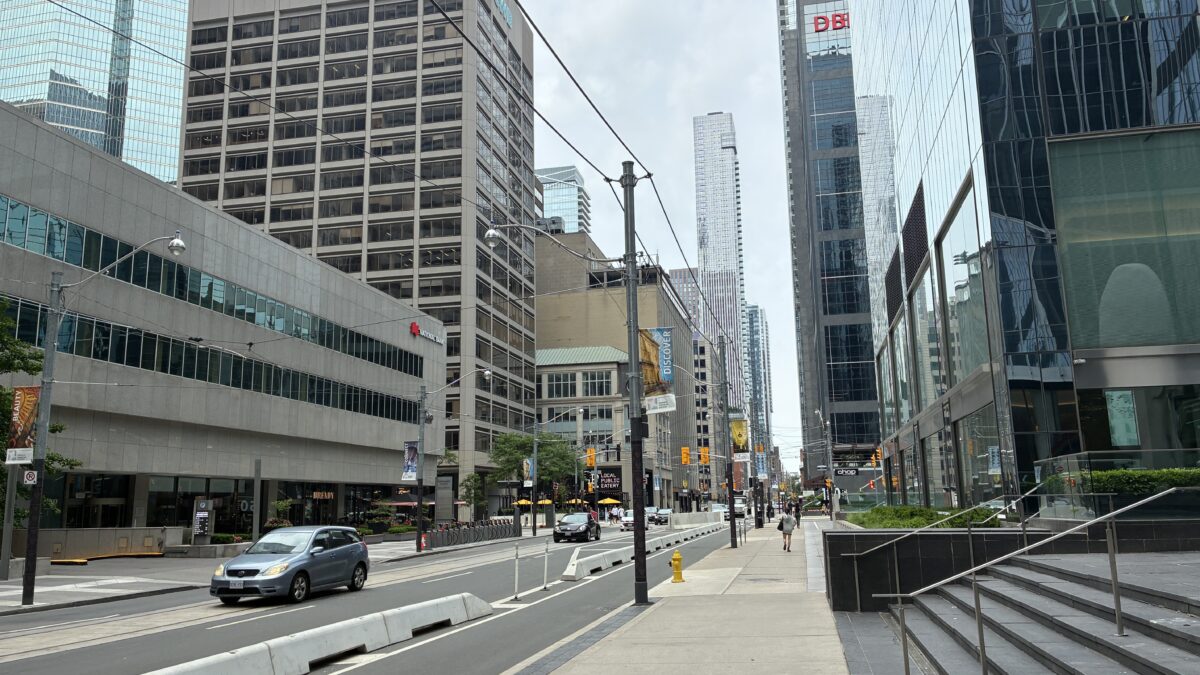
The technology revolution addresses fundamental operational challenges that restaurant operators rarely discuss publicly. Sides reveals in the exclusive interview that servers in busy Financial District establishments typically walk “anywhere from 10,000 to 20,000 steps per day, with anecdotal reports being even higher. This is a huge amount of time spent simply walking.”

Lightspeed’s tableside technology eliminates trips to traditional POS terminals by enabling servers to place orders directly from tables. The seamless integration between front-of-house and kitchen operations reduces order-to-kitchen time, allowing restaurants to turn tables faster during the critical lunch window.
“It’s not just about speed; it’s about precision and efficiency in a market that demands both, built on top of the reality that staffing in restaurants remains challenging, so the quality of life for servers is just as essential as the dollars per hour,” Sides tells 6ixRetail.
For new restaurants entering Toronto’s Financial District market, this operational efficiency becomes crucial for financial viability. The district’s premium real estate costs demand maximum revenue extraction from every square foot, making table turnover optimization essential rather than optional. New establishments must justify their location investment through superior operational performance that technology platforms enable.
Post-Pandemic Expectations Create New Baseline
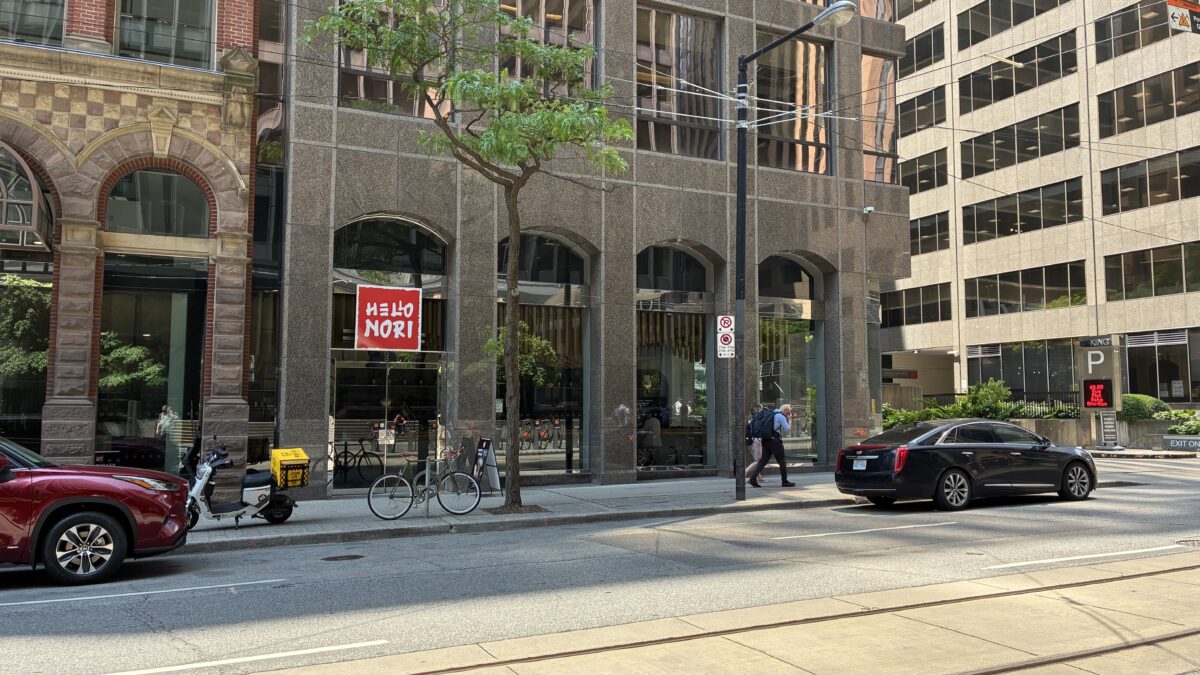
Customer expectations have fundamentally shifted since office workers returned to the Financial District, according to Lightspeed’s hospitality leadership. “Office workers returning to in-office after a prolonged period became accustomed to a work from home environment where food is on demand,” Sides explains in the exclusive interview.
The impact on traditional dining patterns has been dramatic. “The ‘lunch hour’ died as a result of working from home, and diners have less patience with long working meals,” the SVP reveals.
This behavioral transformation goes beyond simple time constraints. Workers who spent years ordering lunch through delivery apps now expect the same level of convenience and speed when dining in person. Traditional restaurant service models – where customers wait to be seated, wait for servers to take orders, and wait for bills to arrive – no longer align with expectations formed during the pandemic.
“Off premise revenue continues to be a reality for restaurants, online ordering is here to stay forever, as diner expectations changed during COVID,” Sides emphasizes. “Restaurateurs have had to deal with changing dynamics like this over the course of the past five years.”
This evolution has made contactless ordering and mobile payments essential operational features rather than optional conveniences. “Contactless ordering and mobile payments have transitioned from optional features to essential services,” the Lightspeed executive stresses. “This shift originated with health and safety concerns but now enhances operational efficiency, making it easier for restaurants to accommodate the high volume of business lunches without compromising service quality.”
New restaurants entering the Financial District market must adapt to these changed expectations from day one. Unlike established restaurants that could gradually implement technology upgrades, new establishments face immediate pressure to provide the seamless, efficient service that post-pandemic diners now consider standard.
Technology Levels Competitive Playing Field
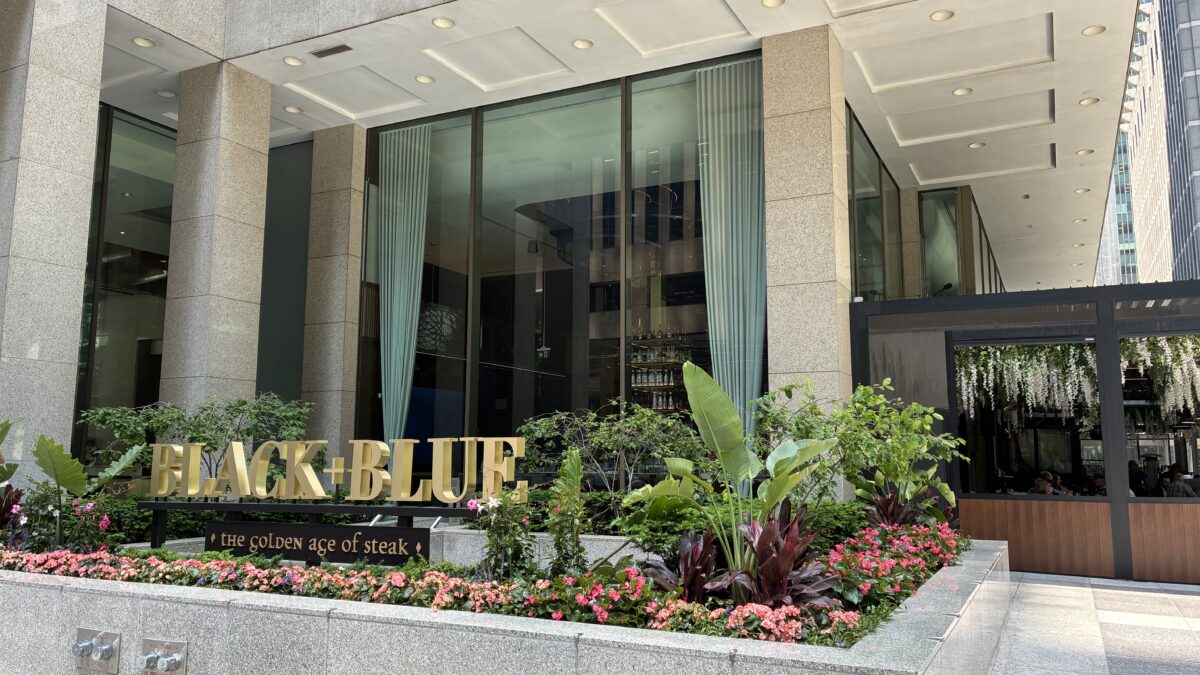
Advanced technology platforms are enabling independent restaurants to compete effectively against established chains, according to Sides’ analysis. “Advanced POS technology like Lightspeed’s levels the playing field by providing small operators with tools that were once the domain of large chains,” the SVP explains.
For new independent restaurants entering the Financial District, technology adoption represents the difference between competing effectively and struggling against established operators with superior resources. Real-time analytics, inventory management, and customer relationship capabilities enable data-driven decisions that were previously available only to large restaurant groups with dedicated analytics teams.
“In Toronto’s high-rent Financial District, every square foot counts,” Sides emphasizes in the exclusive interview. “For new establishments, adopting advanced restaurant technology isn’t just a luxury—it’s a necessity.”
New establishments must compete not only against established Financial District restaurants but also against the operational efficiency that office workers experienced during the work-from-home period. This creates pressure for immediate technological sophistication rather than gradual system implementation.
The integrated solutions enable real-time tracking that allows optimized operations without expanding physical space, crucial for new restaurants managing premium lease costs while building customer bases.
Staffing Challenges Drive Technology Adoption
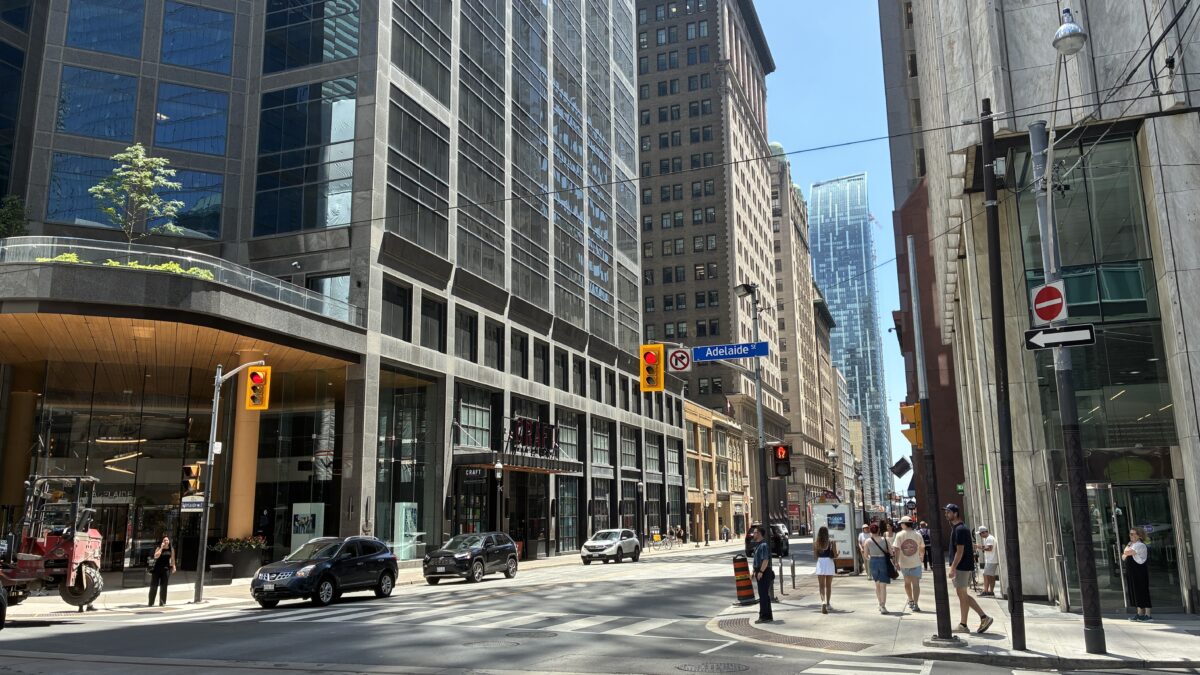
Restaurant technology adoption directly addresses critical staffing challenges affecting the industry. “Staffing in restaurants remains challenging, so the quality of life for servers is just as essential as the dollars per hour,” Sides observes.
For new restaurants competing for qualified staff in Toronto’s tight labor market, technology that improves working conditions becomes a recruitment and retention advantage. Advanced POS systems that reduce physical demands while improving service efficiency address both operational concerns and employee satisfaction in an industry struggling with staffing challenges.
The tableside technology eliminates physical strain from constant movement while enabling servers to provide more attentive customer service, addressing both efficiency and employee welfare concerns that new establishments must prioritize to attract and retain quality staff.
Data-Driven Operations Enable Competitive Advantage
New restaurant openings leverage technology for continuous operational improvement through comprehensive data analytics. Lightspeed’s integrated solutions enable real-time tracking of orders, inventory, and customer preferences, allowing optimized staffing and inventory management that provides competitive advantages in the demanding Financial District market.
Data capabilities extend beyond transaction processing to predictive analytics that help restaurants anticipate demand patterns, optimize menu offerings, and improve customer satisfaction metrics across diverse operational contexts. This information proves crucial for new establishments that must quickly establish operational efficiency to justify premium location costs.
According to Sides, the seamless integration of front-of-house to back-of-house operations has led to reduction in order-to-kitchen time, allowing establishments to turn tables faster and serve more guests during the critical lunch window – metrics that directly impact profitability for new restaurants establishing themselves in competitive markets.
Future Technology Will Transform Business Dining
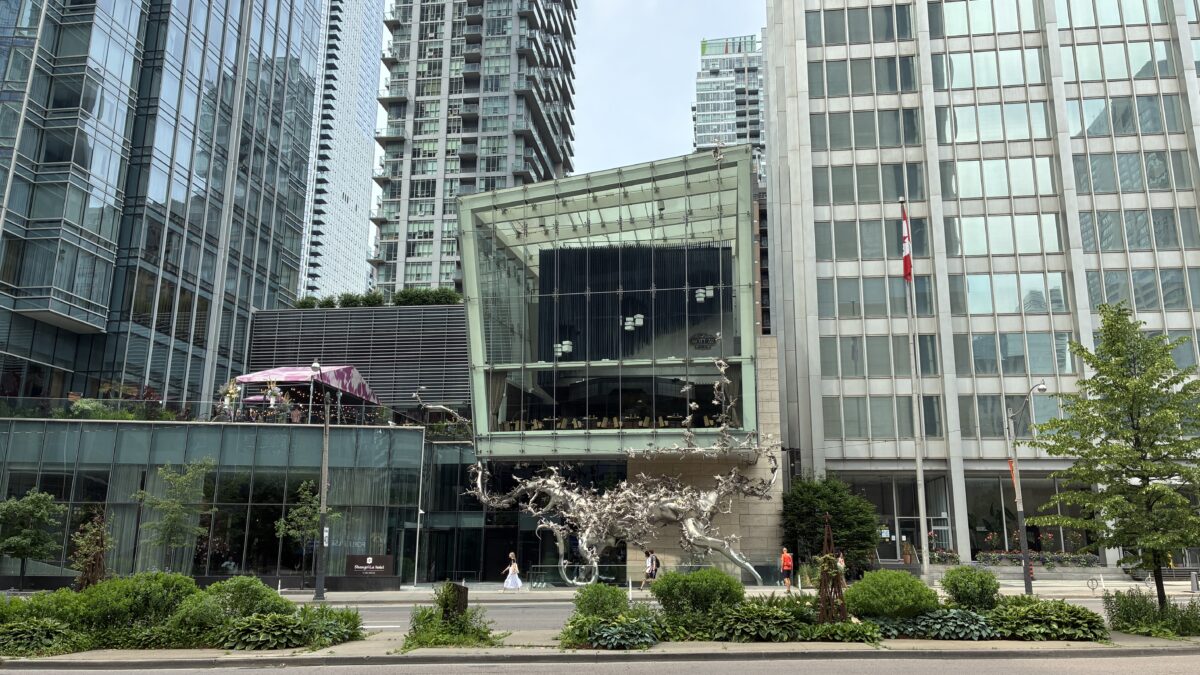
Sides predicts significant technological evolution in Toronto’s restaurant operations will fundamentally change the business dining experience. “The future of restaurant operations in Toronto’s Financial District is poised to be shaped by advancements in artificial intelligence, machine learning, and integrated systems,” the Lightspeed executive reveals in the exclusive interview.
These developments will enable restaurants to predict customer preferences, optimize staffing levels, and personalize dining experiences in real time. “Imagine a lunch where the system recognizes your usual order, adjusts the menu based on dietary preferences, and ensures your meal arrives just in time for your next meeting,” Sides envisions.
The implications extend beyond convenience to fundamental changes in restaurant economics. “These innovations will redefine the business lunch, making it more seamless, personalized, and aligned with the fast-paced demands of Toronto’s Financial District,” the SVP concludes.
For new restaurants entering this market, early adoption of advanced technology platforms positions them to capitalize on these emerging trends rather than playing catch-up with competitors who embrace technological innovation.
Market Dynamics Support Continued Investment
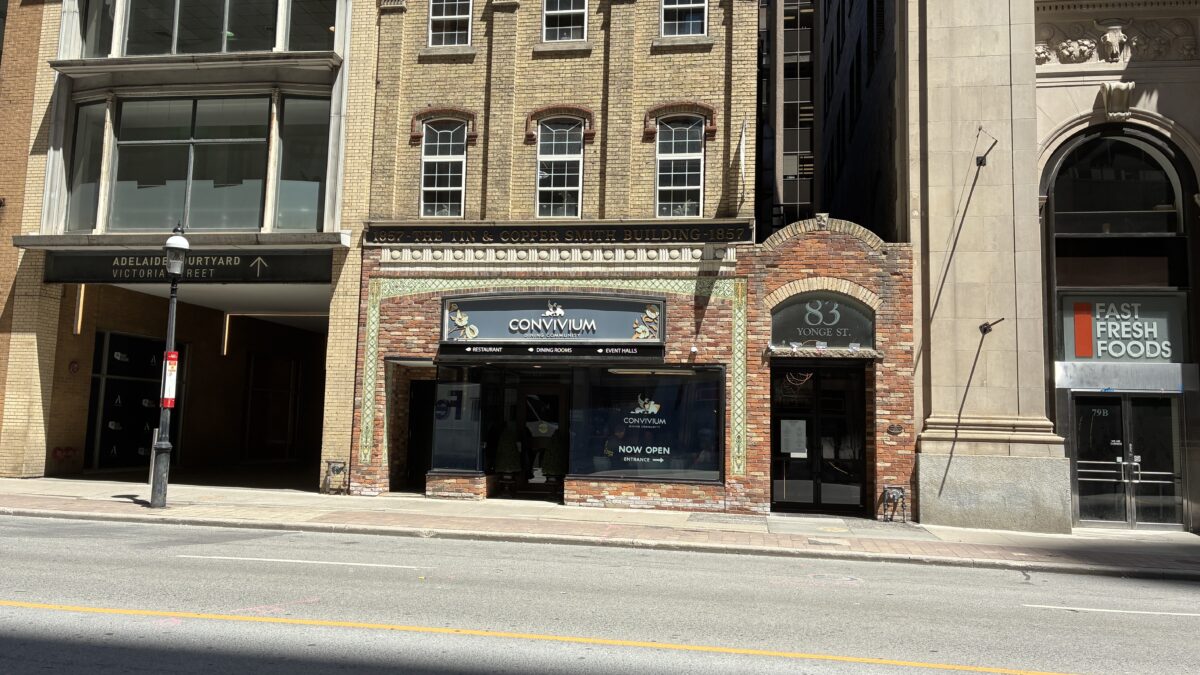
The restaurant openings reflect broader Financial District revitalization, with new residential developments and improved transportation infrastructure supporting diverse dining concepts beyond traditional quick-service options. Industry observers note that returning office workers, sophisticated technology platforms, and evolving customer expectations create sustainable conditions for continued sector growth.
The collective investment demonstrates growing confidence in technology-enabled restaurant operations. Each establishment differentiates itself through specific technology applications while contributing to the district’s evolving dining ecosystem that increasingly demands operational sophistication.
According to Lightspeed’s analysis, the Financial District restaurant surge demonstrates that advanced technology has evolved from competitive advantage to operational necessity. The ability to serve time-pressed customers efficiently while maintaining service quality requires integrated systems that optimize every aspect of restaurant operations.
For Toronto’s Financial District, this technological transformation represents the emergence of a more sophisticated, efficient, and customer-focused restaurant ecosystem that supports the district’s continued economic development and changing work patterns driven by post-pandemic behavioral shifts.

Dustin Fuhs is the founder and Editor-in-Chief of 6ix Retail, Toronto’s premier source for retail and hospitality industry news. As the former Editor-in-Chief of Retail Insider, Canada’s most-read retail trade publication, Dustin brings over two decades of expertise spanning retail, marketing, entertainment and hospitality sectors. His experience includes roles with industry giants such as The Walt Disney Company, The Hockey Hall of Fame, The Canadian Opera Company, Starbucks Canada and Blockbuster.
Recognized as a RETHINK Retail Top Retail Expert in 2024, 2025 and 2026, Dustin delivers insider perspectives on Toronto’s evolving retail landscape, from emerging brands to established players reshaping the city’s commercial districts.