

Jason Yu pulls up the demographic analysis for Yonge and Eglinton on his phone like other restaurant owners might show photos of their kids. Heat maps, foot traffic patterns, competitor analysis within a three-kilometer radius—it’s all there, color-coded and precise.
“We love our data. We love our numbers,” Yu says, scrolling through charts that explain why Egg Club‘s sixth Toronto location will land at one of the city’s busiest intersections. “We really try to monitor everything—what kind of customers are coming in, what kind of customers are loving our product, their age, gender, all the demographics.”
Five years after opening on Dundas Street East, Egg Club has learned to read Toronto’s breakfast patterns like a map. Each location teaches them something new about where their customers live, work, and eat.
Now they’re betting that midtown Toronto is ready for Japanese milk bread sandwiches.
Following the customers north
The Yonge-Eglinton decision didn’t happen overnight. Yu’s team has been tracking customer patterns from their existing locations for months, watching where people travel from and where gaps exist in their coverage.
“Once we find a potential spot, we analyze it with our data system to see what’s in the 1-kilometer radius, 2-kilometer radius, 3-kilometer radius,” Yu explains. “Even within that 1-kilometer radius, we look at how many breakfast spots and coffee shops are there, how busy they are, what kind of foot traffic they’re getting.”
The intersection makes perfect sense when you map Egg Club’s current footprint. Their downtown locations at Dundas and Wellesley serve the financial core. Union Station captures transit commuters. North York extends into the suburbs. But midtown Toronto—with its dense mix of offices, condos, and TTC connections—remained untapped territory.
Working with Chris Wanzel from Urban Reform Realty, Egg Club is scouting spaces that fit their proven formula: high foot traffic, visible location, 450 to 1,200 square feet depending on seating plans.
The Union Station lesson

Yu’s confidence in the midtown expansion comes largely from what they learned at Union Station, their busiest and most successful location.
“Union Station is the most high-traffic place in Canada, basically. So we knew it was going to be very busy,” Yu says. But the real insight came from understanding exactly who stops by and when.
Morning commuters grab sandwiches before heading to work. Lunch crowds order during the 11:30 AM to 1:30 PM rush. Evening travelers pick up dinner on their way home. The location taught them that Torontonians will wait for quality, even during peak hours.
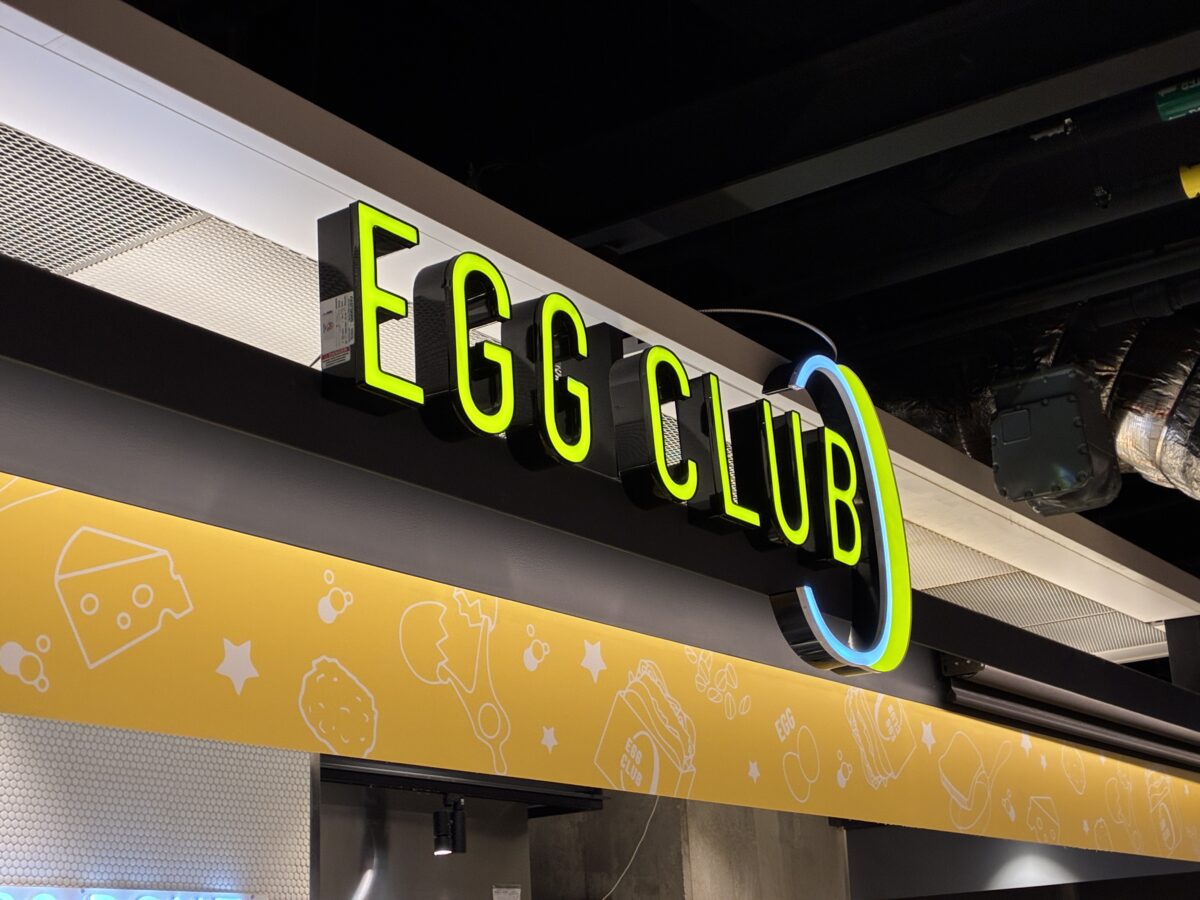
“Union Station wanted a unique design that none of our other locations had, and we loved that,” Yu explains. The circular kiosk provides visibility from every direction, maximizing their presence in the busy food court.
That lesson applies directly to Yonge-Eglinton, where subway commuters, office workers, and residents create similar traffic patterns throughout the day.
The franchise-first philosophy

Most growing restaurant chains grab the best locations for themselves. Higher profits, more control, better data. Yu deliberately does the opposite.
Currently, Egg Club operates three corporate stores—Dundas, Wellesley, and North York—while Liberty Village and Union Station run as franchises.
“We don’t want to cannibalize our franchisees—that’s not in our growth plan at all,” Yu emphasizes. “We would rather not make money than let a franchise suffer.”
“We actually could have taken that store as a corporate store, but we decided not to and tried to give it to a franchisee because we really want the franchise to be successful,” he explains.
Beyond just breakfast

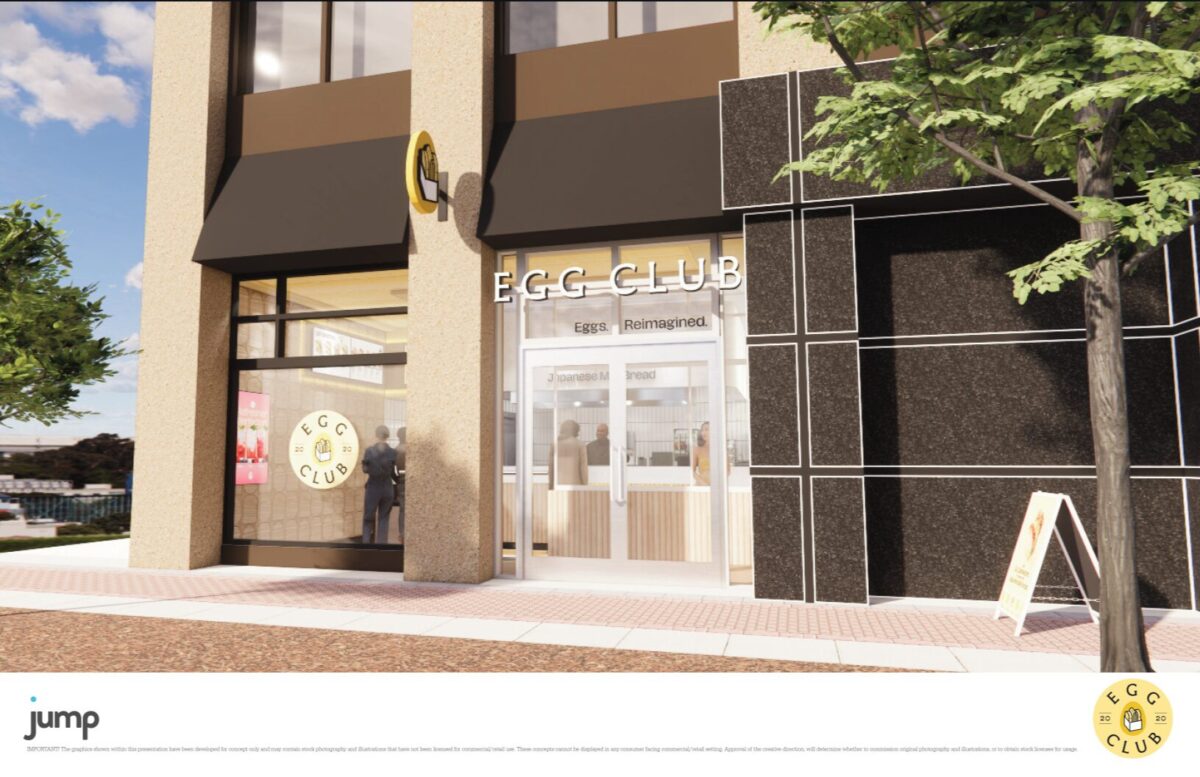
The Yonge-Eglinton location will also test Egg Club’s expanded catering program, which Yu sees as a major growth opportunity in midtown’s office-heavy environment.
“We know we have a great sandwich that’s stackable, it looks beautiful when stacked up,” Yu says, clearly excited about the visual appeal for corporate orders.
The timing coincides with return-to-office trends that have brought more workers back to midtown Toronto. Companies ordering breakfast meetings and lunch events create exactly the type of bulk orders that work well for Egg Club’s made-to-order model.
Most locations operate 7 AM to 4 PM Monday through Friday, with weekend hours starting at 8 AM, though Yu says they’re always flexible based on local demand patterns.
“When it comes to expanding hours, we require our franchisees to open from 7 AM to 4 PM, but if they want to extend beyond that because they see a market outside those hours, by all means they can,” he explains.
The bigger picture
Yonge-Eglinton represents more than just Toronto expansion for Egg Club. With locations already operating in Calgary, Ottawa, Mississauga, and Waterloo, plus two Edmonton stores and another Ottawa location in development, the company is testing strategies that could work in other major Canadian markets.
“The market changes and we don’t know what’s going to come next year versus the year after. It’s all about locations when they come available,” Yu acknowledges.
Yu’s long-term vision includes 300 locations nationwide, but his approach feels deliberately measured rather than aggressive. Each new store provides data that informs the next decision.
“There’s still a lot of demand for us right now. Our sales have been growing every year throughout the whole of Canada, especially in Toronto,” he says.

For now, the focus stays on understanding Toronto’s breakfast habits and following customers to where they actually spend their days. Yonge-Eglinton just happens to be where a lot of those customers live, work, and commute.
The intersection that connects subway lines, office towers, and residential blocks represents exactly what Egg Club looks for: people in motion who want something better than the usual breakfast options.
Whether that translates into another successful location depends on execution, but Yu’s track record suggests he knows what he’s doing. After all, this is the same analytical approach that turned a single Dundas Street shop into one of Toronto’s most recognizable breakfast brands.


Dustin Fuhs is the founder and Editor-in-Chief of 6ix Retail, Toronto’s premier source for retail and hospitality industry news. As the former Editor-in-Chief of Retail Insider, Canada’s most-read retail trade publication, Dustin brings over two decades of expertise spanning retail, marketing, entertainment and hospitality sectors. His experience includes roles with industry giants such as The Walt Disney Company, The Hockey Hall of Fame, The Canadian Opera Company, Starbucks Canada and Blockbuster.
Recognized as a RETHINK Retail Top Retail Expert in 2024, 2025 and 2026, Dustin delivers insider perspectives on Toronto’s evolving retail landscape, from emerging brands to established players reshaping the city’s commercial districts.