

A parking lot outside the Princes’ Gates at Exhibition Place has been quietly generating about $1 million a year for the City of Toronto. On Friday, the Toronto Tempo turned it into something worth a lot more than that.
Canada’s first WNBA franchise announced a partnership with the City to build a dedicated performance centre at 701 Fleet Street, steps from Coca-Cola Coliseum, where the team tips off its inaugural season on May 8 against the visiting Washington Mystics. The facility, designed by HOK for Kilmer Group, breaks ground this fall and is targeted for completion in 2028. The entire cost is being carried by the Tempo organization. The city is not spending a dollar.
That last part is the story.
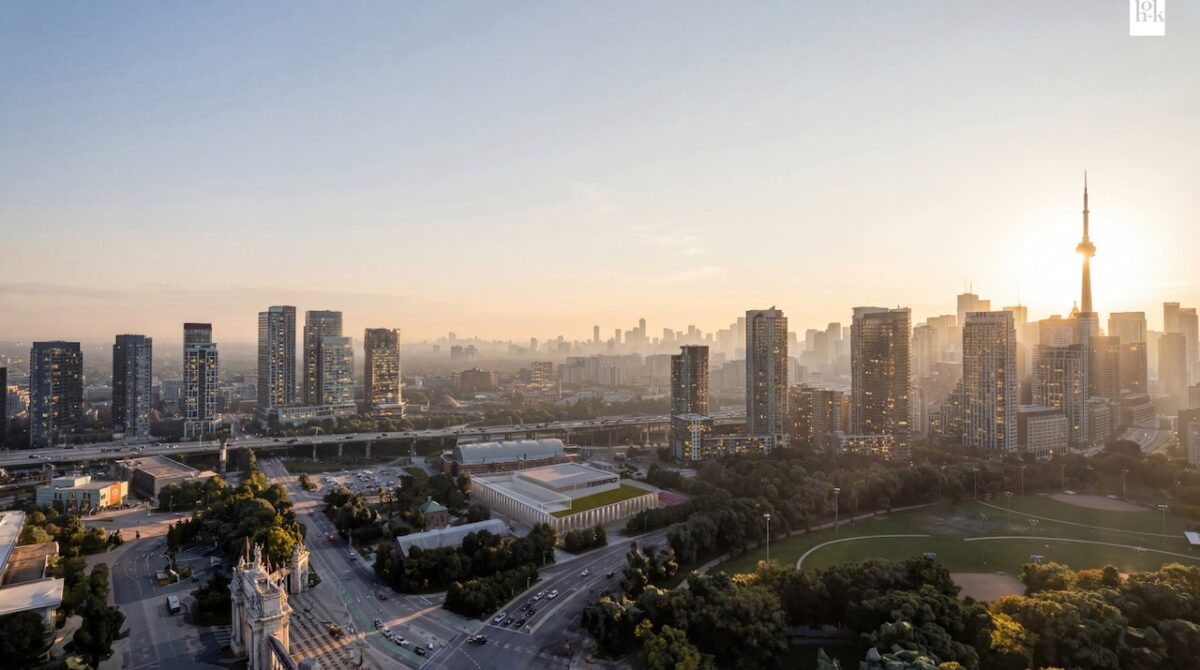
The deal structure is straightforward, but getting there required the Tempo to think about city land differently than most private operators do. Rather than approaching Toronto as a tenant looking for space, Kilmer Group came to the table as a partner with a problem the city already had. The lot at 701 Fleet Street was earmarked for parkland on a timeline that realistically meant another decade of asphalt. The Tempo offered to accelerate that, absorb the entire construction cost, and deliver 2,200 hours of annual community access to a world-class facility in exchange for a long-term lease.
The city said yes.

“We’re partnering with the Toronto Tempo to turn an underused site into a world-class facility that serves both professional athletes and the public,” said Mayor Olivia Chow. “With year-round access to recreation, new park space and inclusive programming, this project delivers real benefits for residents while strengthening Toronto’s leadership in women’s sport.”
For brokers, operators, and developers reading this, that exchange is worth sitting with. The city foregoes $1 million a year in parking revenue. In return it gets a facility it could never have funded on its own, parkland delivered a decade ahead of schedule, and guaranteed public access to a venue that will be among the best of its kind in the country. On paper, that is an easy yes for any councillor who has to defend it to constituents.
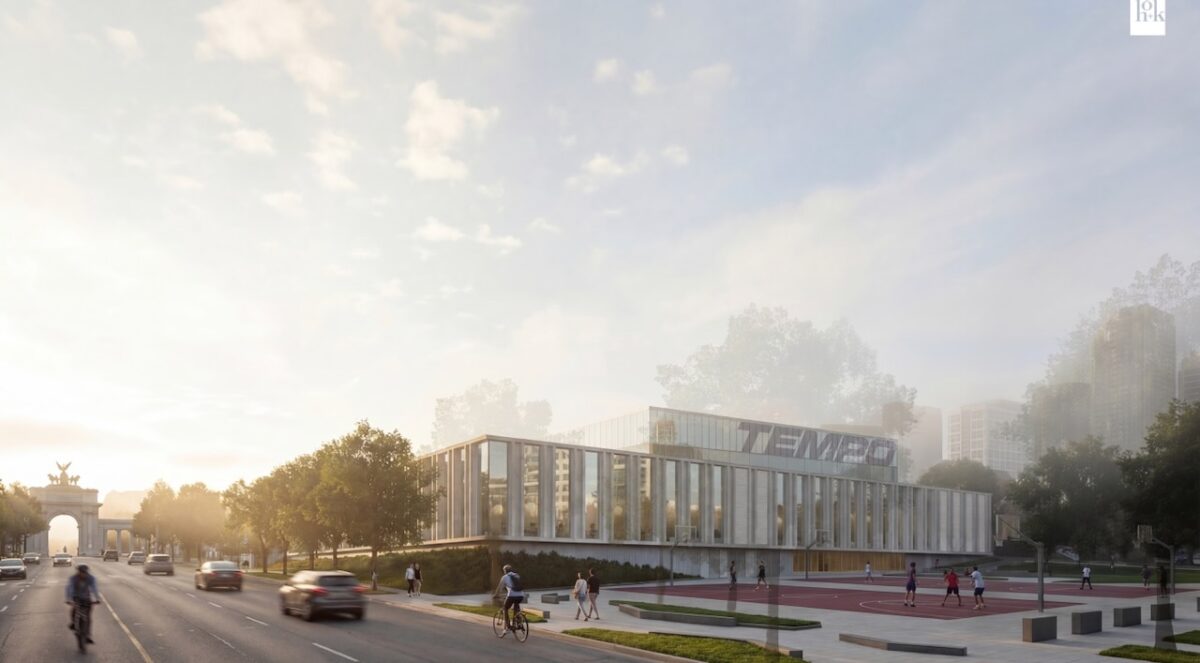
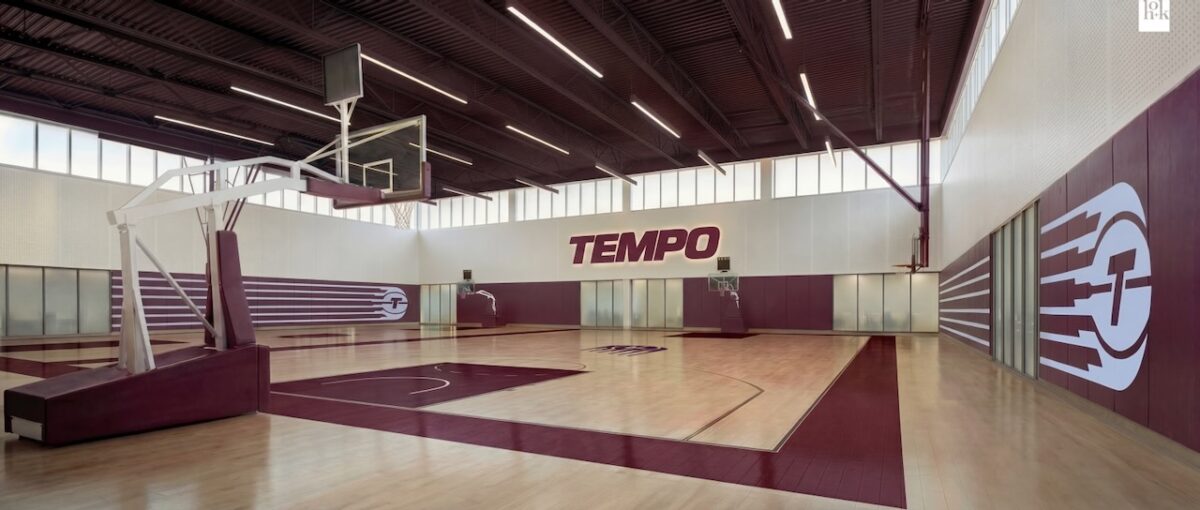
The facility itself sets a new benchmark for women’s professional sport in Canada. Two full regulation WNBA courts indoors. Two outdoor courts. A mini-pitch. The locker room is designed from scratch for women athletes, with individual showers and changing areas for each player, salon and vanity spaces, and a mother’s room. Sports medicine and recovery areas include hydrotherapy pools, a sauna, treatment and rehabilitation rooms, and advanced recovery spaces. There are player lounges, a fuel bar, a dining area, a film theatre, and combined basketball operations and business offices under one roof.

“This performance centre is about building the foundation for sustained excellence,” said Monica Wright Rogers, General Manager of the Toronto Tempo. “Our players deserve a world-class environment that supports every aspect of their development, and our community deserves access to spaces that inspire the next generation. This facility will be both.”
HOK designed the building around five principles: athlete-first design, inclusive access, civic engagement, sustainability, and future adaptability. That last word matters. This is not a facility built for 2026. It is infrastructure built to anchor a franchise and a neighborhood for decades.
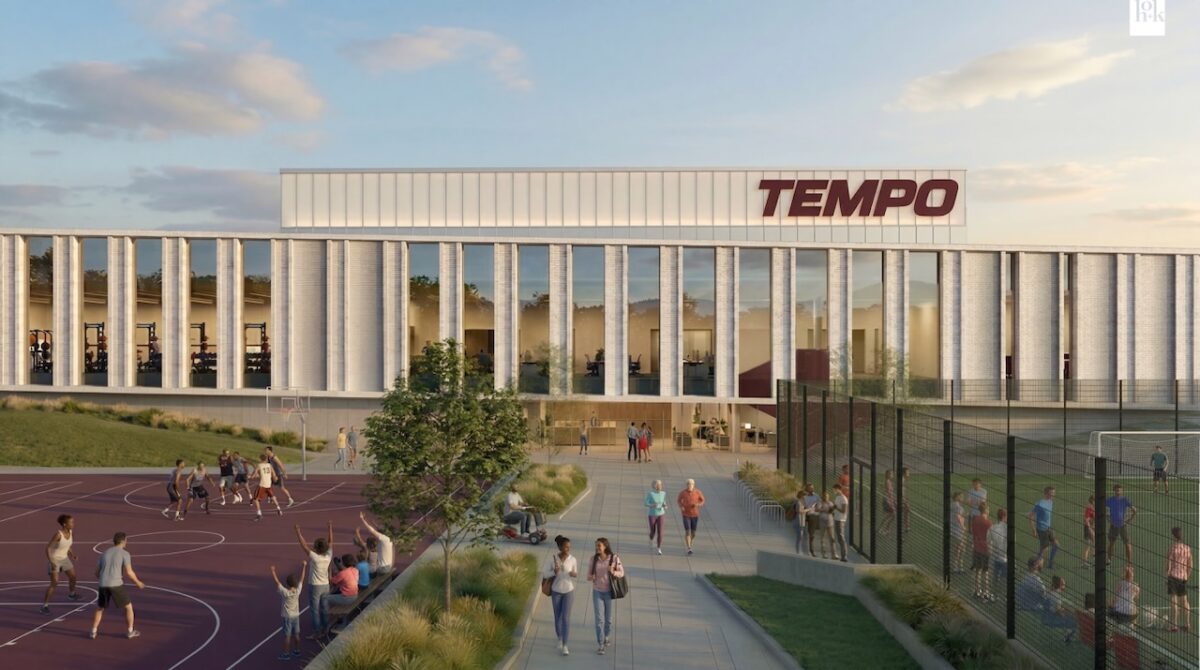
The community access component is what made this deal politically viable, and it is also the part that operators in other categories should be paying the closest attention to. The 2,200 guaranteed hours annually will be managed by the Parks Department and delivered through a mix of drop-in use, registered programming, permit allocations, and seasonal CampTO offerings. The city gets a community hub. The Tempo gets an integral part of its future. Neither could have gotten there alone.

Deputy Mayor Ausma Malik, whose ward covers the site, framed it plainly. “This new facility is a game-changer for local residents and Toronto’s waterfront communities. By combining a world-class training centre with high-quality public recreation space to enjoy in all seasons, I am proud to ensure that everyone has better access to sports, programs alongside park and recreation amenities that make our city stronger and more connected.”
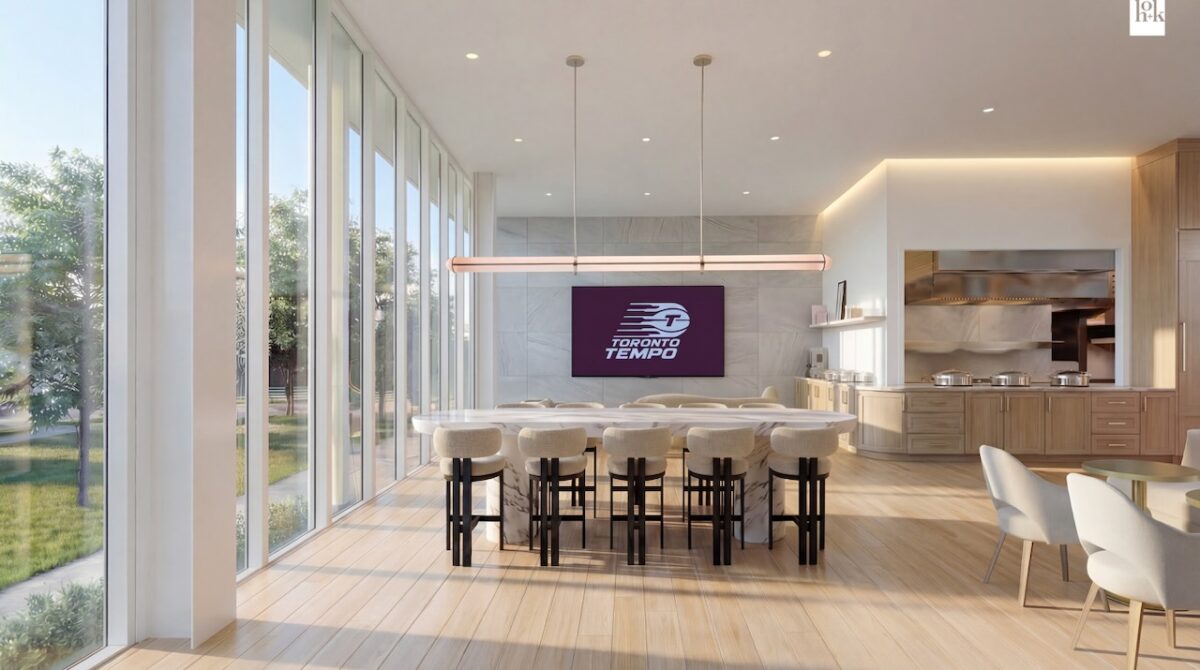
Toronto has underused city-owned assets sitting in every ward. Parking lots generating modest revenue. Buildings operating below capacity. Sites carrying planning designations that have been in queue for years without the budget to move forward. The Tempo model suggests a different way to approach those sites. Identify what the city already wants to do with the land. Build a proposal around delivering it faster and at no public cost. Offer genuine community benefit as a core component of the deal, not an afterthought.
That is not a workaround. It is a fluency in what the city actually values, and the Tempo used it to secure a prime piece of downtown waterfront land that would otherwise have been unavailable to any private operator.
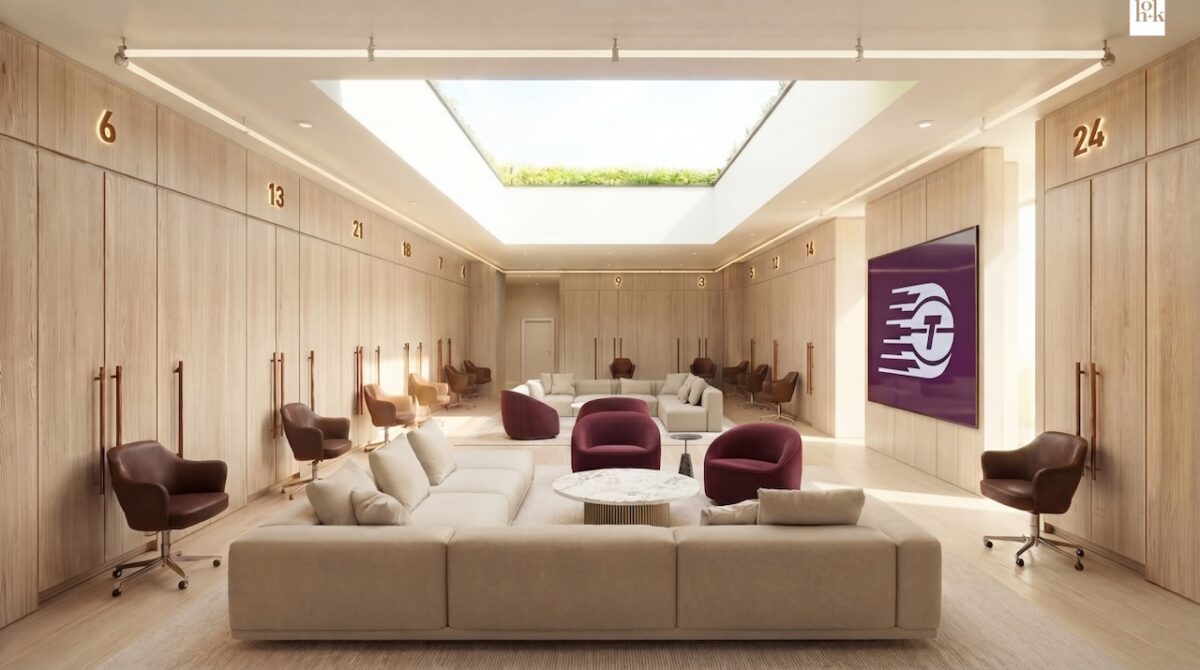
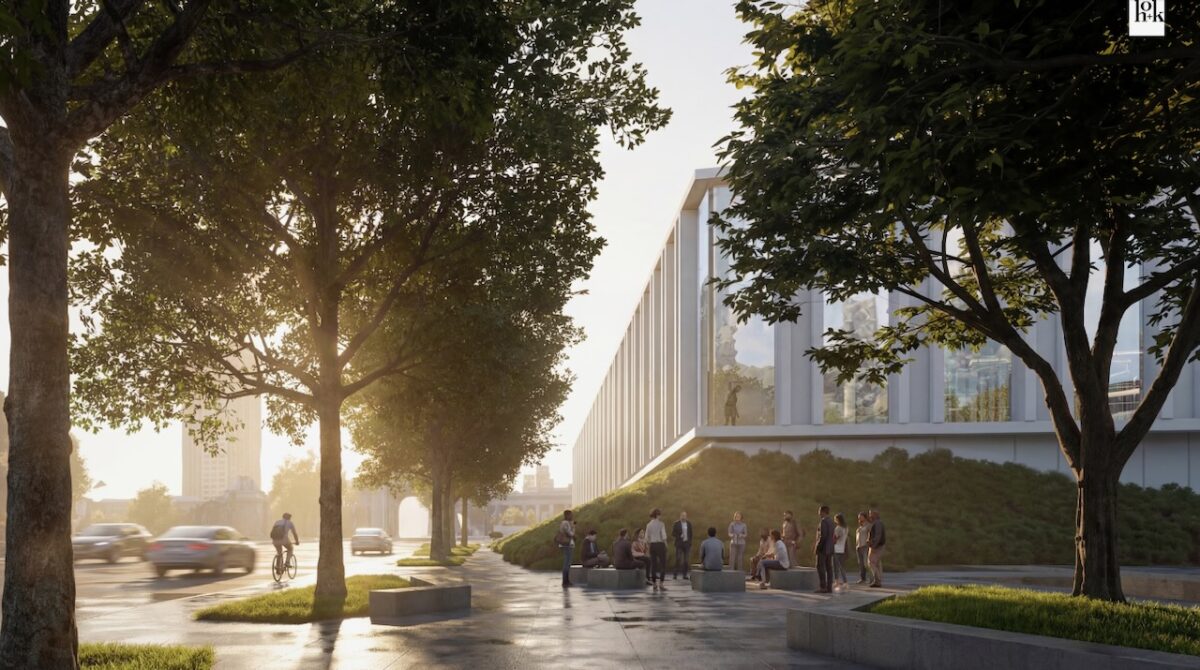
City Council votes on the lease agreement at the end of April. Construction begins this fall. The facility opens in 2028. While that timeline plays out, Toronto’s operators, brokers, and developers have a case study sitting right in front of them. The city has underused land. It has planning goals it cannot afford to accelerate on its own. And it has shown it will move quickly for a private partner who shows up with the right proposal.
The Tempo figured that out. The question is who is next.
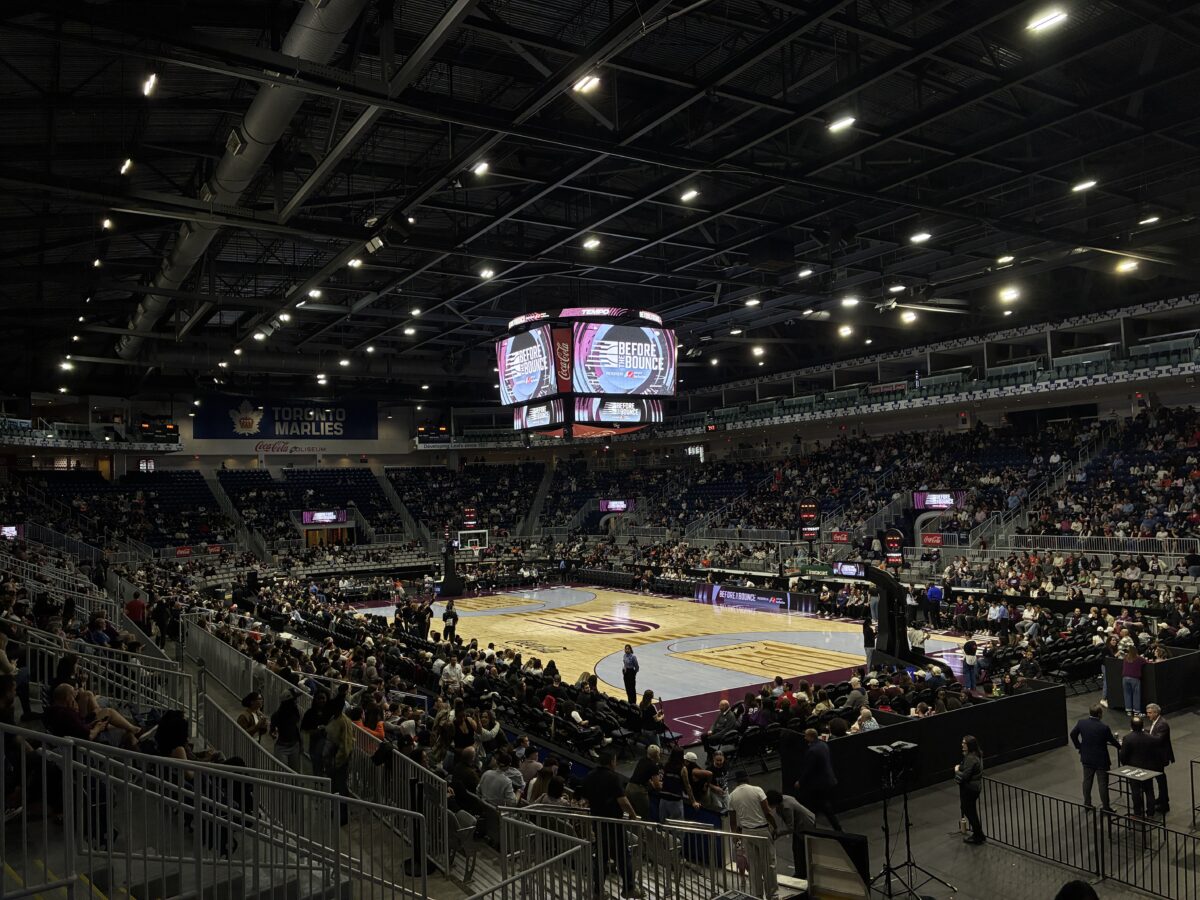

Dustin Fuhs is the founder and Editor-in-Chief of 6ix Retail, Toronto’s premier source for retail and hospitality industry news. As the former Editor-in-Chief of Retail Insider, Canada’s most-read retail trade publication, Dustin brings over two decades of expertise spanning retail, marketing, entertainment and hospitality sectors. His experience includes roles with industry giants such as The Walt Disney Company, The Hockey Hall of Fame, The Canadian Opera Company, Starbucks Canada and Blockbuster.
Recognized as a RETHINK Retail Top Retail Expert in 2024, 2025 and 2026, Dustin delivers insider perspectives on Toronto’s evolving retail landscape, from emerging brands to established players reshaping the city’s commercial districts.