
Tara Conway has spent 25 years watching Canadian retailers make huge strides but the same mistakes. As the executive who pioneered omnichannel strategies at Toys”R”Us Canada and later led 120+ team members across five business units at The Source, she’s lived through boom cycles, bust cycles, and everything in between. Now, as a founding member of Commerce Rewired launching in January and an adviser to female founders building the next generation of business, she sees patterns emerging that most retailers are ignoring.

Her message for 2026 is direct: the old playbook is dead. Landlords won’t negotiate. Returns are bleeding profits nobody’s measuring. HR technology has made hiring worse, not better. And retailers clinging to outdated models are about to face a reckoning.
In a conversation covering everything from the pop-up revolution to why self-checkout destroyed customer loyalty, Conway laid out exactly what’s working, what’s broken, and why 2026 will force Canadian retail to finally address structural problems it’s been avoiding.
The Landlord Problem: Why Pop-Ups Aren’t a Choice, They’re Survival
The economics of Canadian retail real estate have fundamentally shifted, and Conway is blunt about who holds the power now.
“Landlords are not negotiating right now. They know they don’t need to negotiate,” she says. “You’re going to see more of an optimization of physical locations. The strategic retailers are going to know exactly where to invest—smaller footprint with a better experience in better locations, which is going to leave a lot of the non-mall locations in trouble.”
For founders trying to launch retail brands in 2026, traditional 10-year leases are simply out of reach. The investment required for physical real estate has become prohibitive, forcing an entire generation of entrepreneurs toward temporary formats.
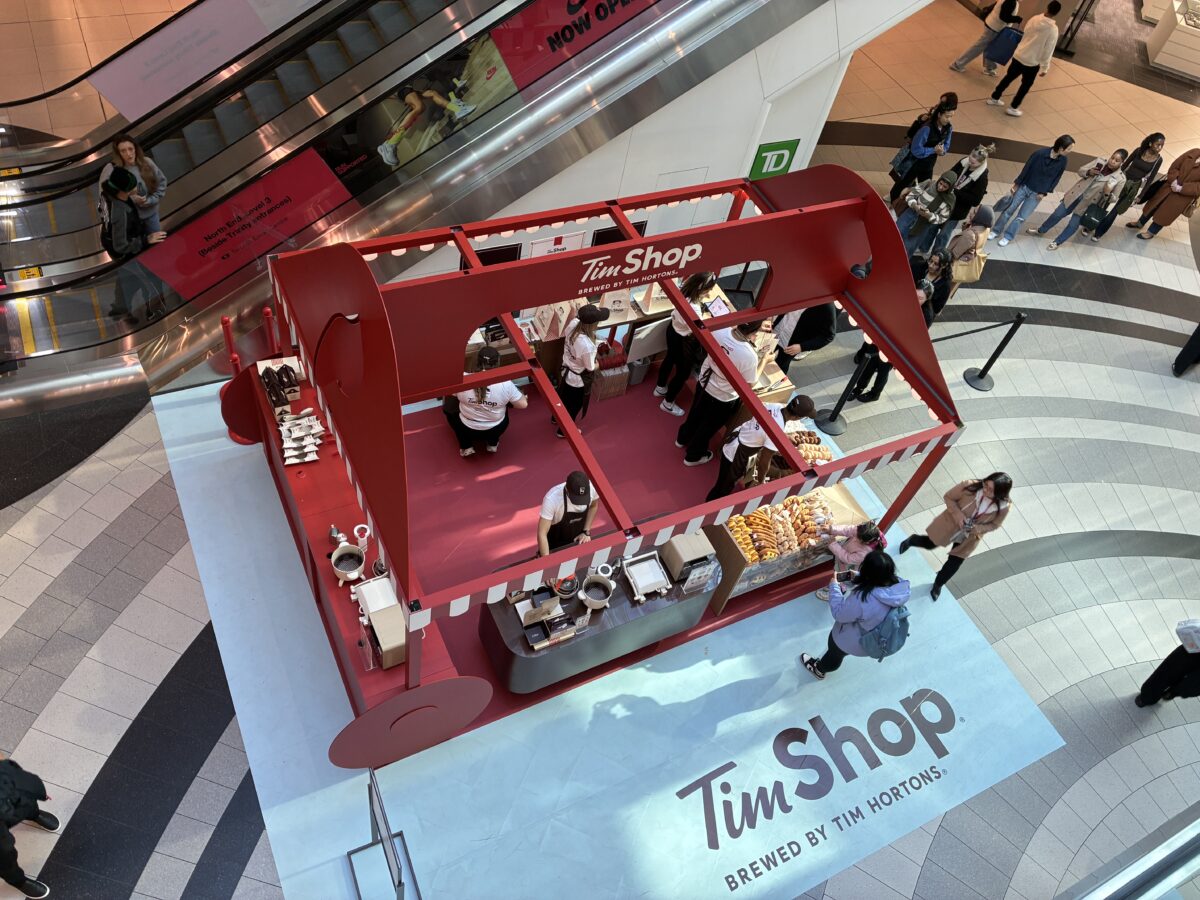
“Founders and new businesses are leaning into pop-ups and store-in-store concepts because the actual investment needed is significantly lower,” Conway explains. “Pop-up isn’t new in retail. We’ve always seen store-in-store for years and years, but I think it’s the entryway where they can truly maximize their profit with lower risk.”
The model is simple: pop up, turn the inventory, pop down. Founders keep their assets mobile and their capital protected. For mid-to-enterprise retailers facing landlords unwilling to budge, the strategy means ruthless choices about where to invest and where to abandon.
The casualties of this shift? Secondary retail locations that can’t command premium rents.
“There’s going to be a shortage of retailers willing to invest in secondary locations, which is going to crush the experience,” Conway warns. “We’re going to feel that in 2026, but it’s actually going to be lingering into the years to follow because consumers are going to be constantly disappointed in the experience they go to, and they’re not going to come back.”

The Physical-Digital Split: Why 70-30 Matters
Digital-native brands like Knix and Mejuri opening physical locations while traditional retailers shrink their footprints seems contradictory. Conway says it’s not—it’s two completely different strategies solving two different problems.
“Pure D2C brands are moving into physical space, but they’re looking at it as a marketing channel, as an experience channel, as a way to truly bring their brand to life that digital can’t accomplish,” Conway explains. “They’re not looking at it as an inventory vehicle or a sales revenue channel. It’s a brand vehicle.”
The distinction matters. These brands aren’t opening stores to move product—they’re opening stores to build brand relationships that digital channels can’t create. The economics back up this approach.
Physical retail still drives more profit. It’s more controllable. Digital is unreliable, highly competitive, and makes profitability difficult. Conway, who built her career optimizing the balance between channels, recommends a 70-30 split favouring physical, with strategic flexibility throughout the year.
“Smart, strategic brands use their digital channel to push traffic into stores,” she says. “Six to eight weeks at the end of the year, you can let digital carry more weight. But for 10 months of the year, physical is where you make your money.”
The advantage of physical is clear: add-on sales. A customer who comes into a store for a sweater leaves with socks, accessories, complementary items. That conversion doesn’t happen online. The in-store experience—the ability to have a salesperson guide a customer from browsing to checkout—remains retail’s most powerful profit driver.
From Warehouses to Showrooms: The Retail Space Evolution
Conway points to IKEA’s pick-and-collect locations and Best Buy’s showroom strategy as harbingers of what’s coming: low inventory investment, high investment in experience and talent.
“It’s the old Sears or Consumers distributing model from 25 years ago,” she says. “You don’t need to store inventory in-store any more. You have the digital arm for fulfilment. What you need the physical space for is to tell the story of your brand, engage the consumer, get them into your ecosystem.”
At Toys”R”Us, Conway pioneered the approach of splitting locations into dual-purpose facilities: fulfilment hubs serving online orders while also functioning as physical stores, with inventory serving both channels simultaneously. Today’s retailers are taking this further, using physical locations purely as brand touchpoints rather than product warehouses.
The shift requires a fundamental rethinking of what a store is for. It’s no longer about maximizing SKUs per square foot. It’s about creating an experience that justifies the customer’s decision to visit in person rather than ordering online.
The Self-Checkout Disaster: When Technology Replaced People

Few retail technology investments have failed as spectacularly as self-checkout, and Conway doesn’t mince words about why.
“Big brands leaned into self-checkout thinking they could save on labour. It did the complete opposite,” Conway says. “Consumers did not appreciate it. Consumers did not want it. Now you’ve got this huge technology investment that’s constantly closed.”
The premise seemed logical: reduce labour costs by having customers scan their own items. The reality? Customers who made the effort to visit a physical store wanted human interaction. Self-checkout stations became expensive equipment that destroyed the very thing that made physical retail valuable.
Conway’s thesis is straightforward: if customers choose to visit a physical store instead of shopping online, they’re making a deliberate decision to engage with people. Retailers that don’t invest in quality labour are bleeding loyalty to competitors who do.
“I can shop any brand online happily. But when I make the choice to go into a physical store, I absolutely expect the opportunity to speak with a human to enhance that experience,” she explains.
The retailers getting it right? Home Depot and Sephora. Not because they have more bodies on the floor, but because they hire people with genuine expertise.
“Home Depot wins because of the employee DNA they bring in. I go in with a question I can’t solve online. I need an expert, and they have experts,” she says. “Sephora has mastered the labour model with the right DNA in store. I’m guaranteed quality engagement.”
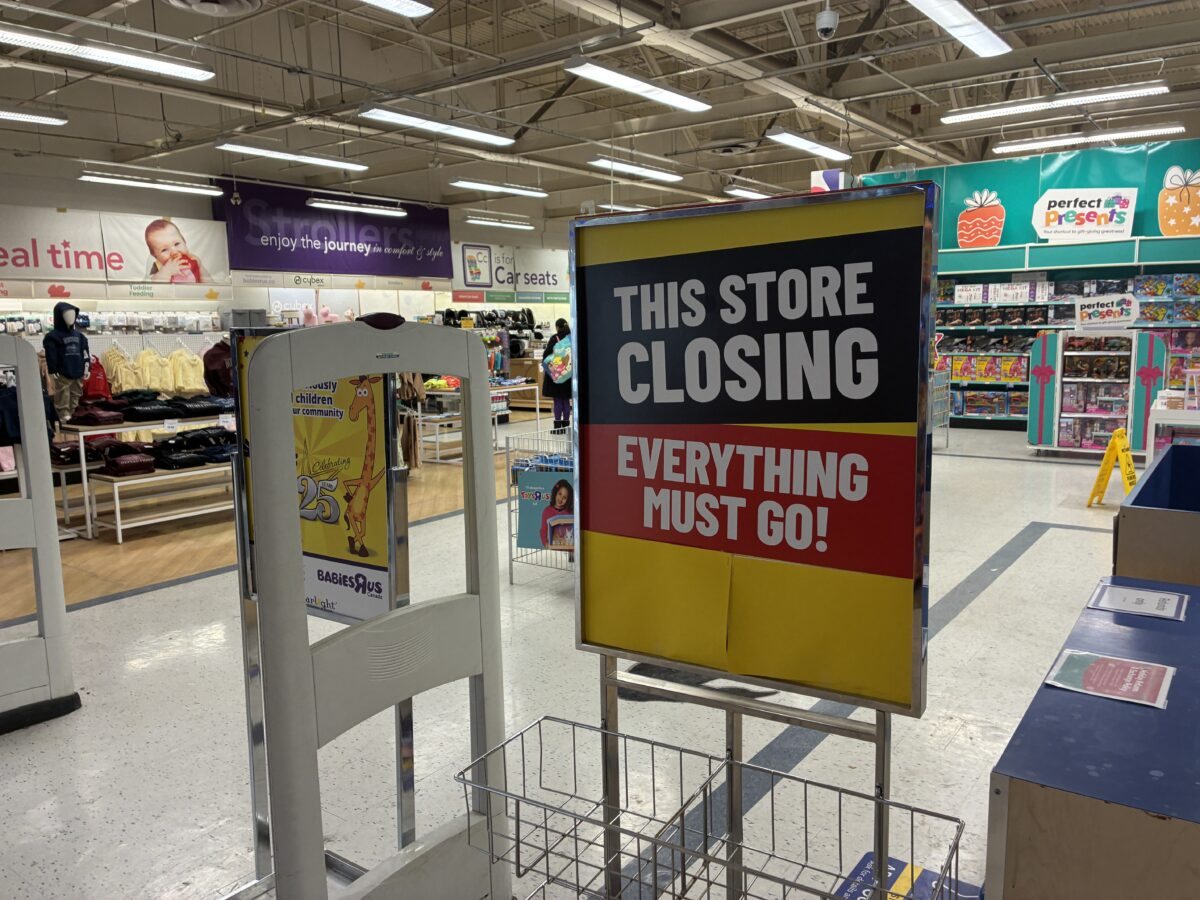
The contrast with retailers still finding their footing is clear. Conway points to Toys“R”Us and Canadian Tire as examples of brands navigating complex transitions. “Toys‘R’Us has struggled to re-establish a clear point of view,” Conway notes. “And with Canadian Tire, there’s been a real effort to use digital to enhance the experience, but the balance has been tricky. They’ve maintained a large physical footprint while experimenting with less in-store human interaction, and finding the right equilibrium is still a work in progress.”
The Returns Crisis: The Cost Nobody’s Measuring
Free returns were supposed to be a competitive advantage that drove e-commerce growth. Instead, they’re destroying apparel economics, and most retailers don’t even realize it’s happening because they’re measuring the wrong costs.
“Very few people measure the actual labour—the labour to take that return and flow it through your entire operation. They don’t measure it at all,” Conway reveals. “But it’s what’s crushing EBITDA flow-through, especially in apparel.”
The problem is particularly acute in apparel, where customers have learned to buy five items, keep one, and return four. Retailers diligently track the reversed sale. They track potential markdowns from returned merchandise. What they miss is the operational burden that’s bleeding them dry.
Staff time processing returns. Inspection labour checking returned items for damage. Restocking costs. Systems overhead managing the reverse logistics. None of this shows up in the metrics most retailers watch, but it’s crushing profitability in ways that quarterly reports don’t capture.
“Marketers and executives say we need to compete, we need to offer free returns because on paper we have to compare against competitors,” she notes. “But the people who actually understand returns know the hidden costs are killing us.”
The solution requires courage: charge for returns, dramatically improve product information and sizing guidance to reduce return rates, or accept that apparel economics under the current free-returns model are fundamentally broken. Most retailers continue offering free returns because they fear competitive disadvantage, all while the policy destroys their margins.
How HR Technology Made Hiring Worse

Conway’s most controversial take: technology hasn’t just failed to improve hiring—it’s actively destroyed HR’s ability to identify and recruit good people.
“Strip technology out of the hiring process. It has destroyed it,” she states emphatically. “Technology integrated into HR has been done so poorly, so badly, it has destroyed the actual flow. The quality of candidates is poor. The only way people are making connections and getting jobs now is through their network.”
The root of the problem? Applicant tracking systems that were supposed to streamline hiring instead create a Byzantine process that filters out qualified candidates while overwhelming hiring managers with poor matches. The real skill of recruiters—the ability to identify fit, skill, and capability through conversation and evaluation—has been replaced by algorithms that optimize for keyword matching rather than human potential.
Conway, who works with numerous founders and executives in career transition, sees the damage firsthand. Talented people can’t get through automated screening. Hiring managers are flooded with résumés that checked algorithm boxes but don’t represent actual capability. The only reliable way to land a job has become personal networking, which excludes people without connections.
Her prescription mirrors the mistakes retail made with early e-commerce implementations:
“Any head of HR needs to strip out the technology they thought was the silver bullet, go back to basics, and then thoughtfully integrate technology. The same way we did with e-commerce when we put every bell and whistle on a website that customers couldn’t understand. We leaned into tech, tech, tech solving our problems. HR needs to step back.”
The parallel is instructive. Early e-commerce sites crammed in every possible feature, making them unusable. Successful retailers eventually returned to basics—simple navigation, clear product information, easy checkout—and then thoughtfully added technology where it genuinely improved the experience. HR needs the same reset.
Global Retail: Learning Without Copying
When asked about Chinese retailers doing 30-minute delivery and livestream commerce that actually converts, Conway urges caution about wholesale adoption of international models.
“We’re solving for different customer demands. Yeah, we’re five years behind, 10 years behind, but that’s because of the Chinese consumer,” she says. “You can’t ignore what’s happening globally. But you’re not replicating—you’re stealing the best parts and bending them to fit Canadian retail and what Canadian consumers want.”
The key word: bending. Chinese retail innovations work in China because of specific infrastructure, consumer behaviour, and market dynamics. Canadian retailers can learn from these innovations, but direct copying will fail because the context is different.

On Shein and Temu conditioning global shoppers to expect $8 dresses and dopamine-driven constant newness, Conway bets on consumer intelligence eventually winning out.
“I don’t think Shein and Temu will do the damage Amazon did. Amazon completely redefined traditional retail expectations. But consumers are smart. We’re figuring out what we’re getting is low-quality. If we continue to build experience and relationships with consumers, we can guide them away from the race to the bottom.”
Her confidence comes from believing that ultra-fast fashion will eventually reveal its own limitations—quality issues, ethical concerns, the environmental cost of disposable clothing—and that retailers offering better experiences and products will win customer loyalty.
On European regulation—right to repair, sustainability mandates, bans on destroying unsold goods—Conway doesn’t see it crossing the Atlantic anytime soon.
“I don’t see it crossing the Atlantic. Our government isn’t prepared to put policies in place. It’s not coming in the next five to 10 years. And we’re not remotely prepared to manage it as retailers,” she says bluntly. “Luckily it won’t hit us, because if it did, we would fail.”
The assessment is sobering: Canadian retail lacks both the regulatory pressure and the operational capability to implement European-style sustainability requirements. Whether that’s “lucky” or a missed opportunity depends on your perspective.
The Bottom Line: Power Has Shifted to Consumers
When asked what overarching trend matters most, Conway returns to the fundamental shift underlying everything: consumers now hold the power, and retailers haven’t adjusted their thinking.
“The role of the consumer and the power of the consumer is shifting significantly for retailers,” she says. “If they do not wrap their mindset and shift their culture to that approach, they are going to continue to lose.”
Every trend she discussed connects to this shift. Pop-ups work because consumers value flexibility and newness. Returns became a crisis because retailers trained customers to expect risk-free shopping. Stores become showrooms because consumers research extensively online before visiting. Hiring fails because rigid systems ignore what workers actually want from employers.
Conway’s career spans the era when retailers dictated terms to consumers. That era is over. The power dynamic has inverted completely.
The winners in 2026 won’t be the retailers with the best real estate or the most inventory. They’ll be the ones who recognize the power has shifted—and build their operations accordingly.
Related Articles
- Tim Hortons Opens First Standalone TimShop at CF Toronto Eaton Centre
- Pickleplex Serves Up Downtown Pop-Up at The Well as Toronto Expansion Accelerates

Dustin Fuhs is the founder and Editor-in-Chief of 6ix Retail, Toronto’s premier source for retail and hospitality industry news. As the former Editor-in-Chief of Retail Insider, Canada’s most-read retail trade publication, Dustin brings over two decades of expertise spanning retail, marketing, entertainment and hospitality sectors. His experience includes roles with industry giants such as The Walt Disney Company, The Hockey Hall of Fame, The Canadian Opera Company, Starbucks Canada and Blockbuster.
Recognized as a RETHINK Retail Top Retail Expert in 2024, 2025 and 2026, Dustin delivers insider perspectives on Toronto’s evolving retail landscape, from emerging brands to established players reshaping the city’s commercial districts.