
Avi Behar has been saying the same thing for years. Start with the theme. Lock in your grocery anchor early. Understand what the community needs before you start drawing up a tenant list. The industry, for the most part, nodded politely and kept doing things the way it always had.
Now, with two of the most significant mixed-use projects in Toronto history under active curation by The Behar Group Realty, and with the broader market finally moving in the direction he has long argued it should, Behar is having what amounts to a very well-timed moment.
Days after returning from ICSC Las Vegas 2026, 6ixRetail sat down with the firm’s Chairman and CEO to talk through what he observed at the conference, how ROQ City and Mirvish Village represent different expressions of the same philosophy, and what he thinks Toronto retail looks like in 2027 and 2028.
Two Projects, One Thesis
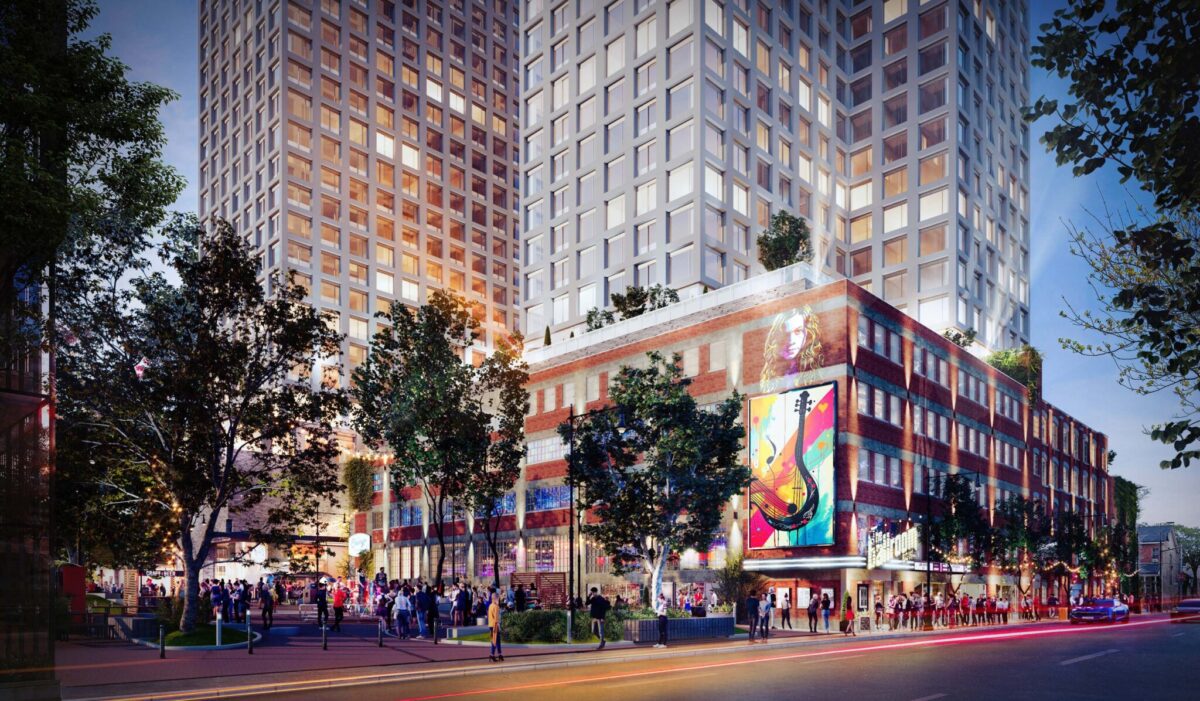
In June 2025, The Behar Group was retained by Tricon Residential, Blackstone, and CPP Investments to lead strategic leasing and retail curation at ROQ City, a music-themed mixed-use development at 261 Queen Street East in Toronto’s Downtown East. Designed by Hariri Pontarini Architects, with Graziani and Corazza Architects as architect of record, the project will include 33 and 24-storey rental towers, 859 residential units, a concert venue, a half-acre public park, and a laneway activation called Electric Avenue. Food Basics was confirmed as the grocery anchor earlier this year, with the store occupying approximately 33,000 square feet at the base of Tower B. Shoppers Drug Mart will handle pharmacy. The future Moss Park Station on the Ontario Line, currently under construction and targeted to open in the early 2030’s, sits steps from the site.

The Behar Group’s mandate covers what comes after those anchors are set: food and beverage, entertainment, live music programming, and the street-level experiences that give Electric Avenue a reason to exist beyond its name.
“We have checked the boxes on grocery, food, and service commercial,” Behar says. “The focus now is entirely on entertainment and food and beverage, and on building something genuinely meaningful for the community and the 859 residential units that will call this development home.”
That mandate fits the firm’s track record in music and entertainment real estate. The Behar Group acted for Pemberton as landlord representative on History, the 2,500-capacity venue at 1663 Queen Street East in the Beaches, developed in partnership with Live Nation and Drake, which has become one of the city’s most active rooms for touring artists since opening in November 2021. More recently, the firm facilitated the lease on the historic Silver Dollar Room at College and Spadina, which Fitzrovia is reviving as a live music destination. Behar himself is a lifelong professional musician and composer who has performed internationally, a background that is not incidental to how he thinks about entertainment-driven placemaking.
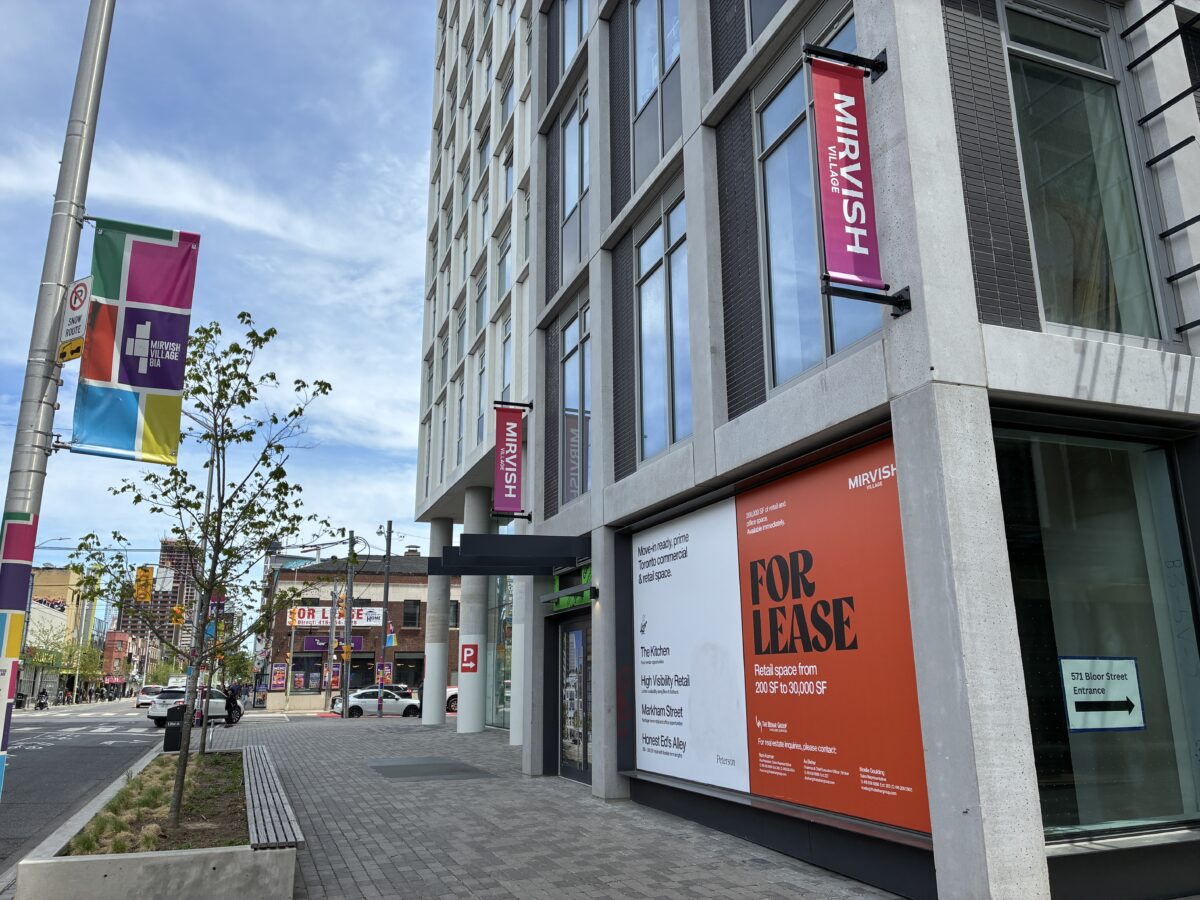
Across town, Mirvish Village is finally rounding into form. As 6ixRetail reported last month, the former Honest Ed’s site at Bloor and Bathurst is targeting a summer 2026 substantial completion under the ownership of Peterson Group, which acquired the project from co-developer Westbank Corp. earlier this year, with Westbank continuing as property manager. The Behar Group is handling all retail curation, merchandising, and commercial leasing across 200,000 square feet of commercial space organized into four zones: The Kitchen, a 19,000-square-foot food hall, bar, and live music venue designed to serve as the public gathering point for the surrounding neighbourhoods; the restored Markham Street heritage strip; the main Bloor and Bathurst frontage; and Honest Ed’s Alley, a Tokyo-inspired micro-retail laneway with 25 incubator pods ranging from 150 to 300 square feet, requiring no major deposit and no long-term lease commitment.
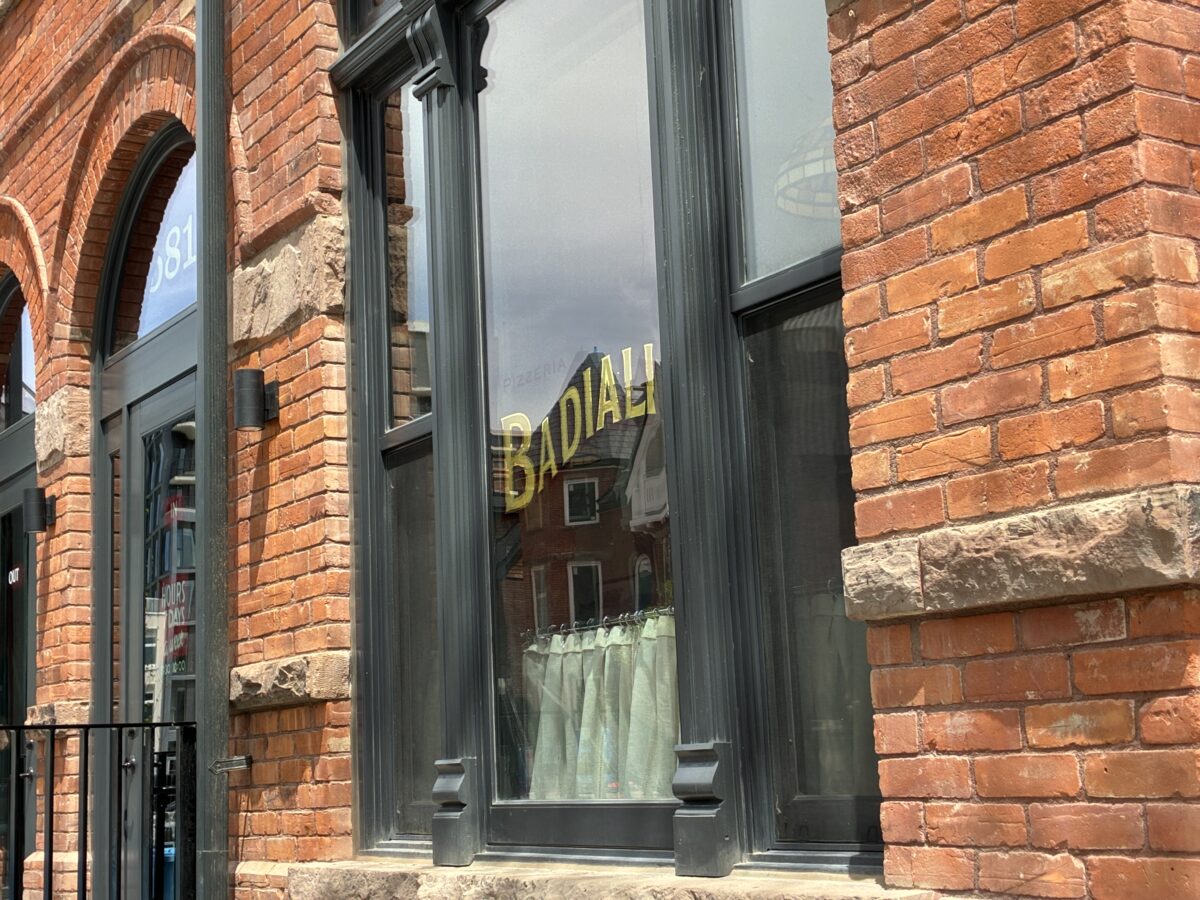
Confirmed tenants on Markham Street include Pizzeria Badiali, having opened its second Toronto location in the restored Victory House at 581 Markham Street; Book Bar, a wine bar and bookstore concept opening June 27th; Blackbird Baking Company; and others soon to be announced. The main frontage will include LCBO, BMO, and the Toronto School of Management. Niagara College is already operating a campus on site. A grocery anchor has not yet been confirmed.
Beyond these two projects, The Behar Group’s portfolio includes Galleria on the Park for Almadev, TABLE Fare and Social at CIBC Square for Hines and Ivanhoe Cambridge at Bay and Front, Waterworks Food Hall at 499 Richmond Street West, which opened in July 2024 inside a restored 1932 heritage building developed by Woodcliffe Landmark Properties and MOD Developments, Roserock Place at King and York for Crestpoint, T3 Bayside and T3 Junction for Hines, and Mayfair West in Vancouver’s Oakridge area for Grosvenor.
Theme First, Everything Else Follows
Ask Behar to explain his approach to mixed-use leasing and the answer is precise. “The most important thing a developer can do is evaluate the mix of uses at the earliest possible stage of a project,” he says. “That is when you have the ability to shape the design of the space, define the types of tenancies you are targeting, and establish the theme that will carry everything else forward.”
That thesis is the foundation of everything The Behar Group does in mixed-use environments. Establish the development’s identity early enough, and every subsequent leasing decision becomes measurably easier. “When the theme is clear and well-curated, the rest of the program flows naturally from it,” he says. “The right tenants recognize it, and they want to be part of it.”
At ROQ City, that meant confirming grocery and pharmacy first. Not because those are the most exciting tenants, but because a residential development of that scale requires them, and because the Moss Park neighbourhood is genuinely underserved for grocery, with the nearest option being a No Frills several blocks away on King Street East. At Mirvish Village, the equivalent was The Kitchen and Markham Street, both grounded in the original Honest Ed’s spirit of discovery and accessible abundance.
Timing, Behar explains, is where execution becomes genuinely complicated, and it varies significantly by tenant category. Grocery anchors have to be part of the conversation from nearly the beginning. Their spatial requirements are too specific and too costly to accommodate after structural decisions have been made. “The major grocers need to be part of the conversation at the earliest possible stages,” he says. “If that window is missed, you are looking at tier-two and tier-three alternatives, and that changes the story you are able to tell.”
Medical tenants present the opposite challenge. They require a high degree of certainty around opening timelines, and development timelines in Toronto routinely shift. “A medical tenant cannot commit to an opening two years out and then discover it has become seven or eight years,” Behar says. “By that point, they have relocated, and the opportunity is gone.”
The condo versus rental dynamic adds yet another dimension. Purpose-built rental developers like Fitzrovia and Tricon are not simply building apartments. They are delivering a complete lifestyle proposition, and the retail and amenity program is integral to making that proposition work. “The leading rental developers are deeply invested in establishing a residential experience that is genuinely unparalleled,” Behar says. “Whether it is hotel-calibre lobbies, curated food and beverage within the building, or partnerships that bring services residents would not otherwise expect to find in a rental community, the amenity package is the product. Retail curation has to be part of that thinking from day one.”
Fitzrovia is one of the clearest examples of this approach in practice. Canada’s largest developer of purpose-built rentals, with more than 8,800 units completed, acquired, or under development in Toronto and Montreal, the firm has integrated virtual healthcare through Cleveland Clinic Canada across its portfolio, and operates Bloomsbury Academy, a Montessori-inspired education centre, within several of its developments. The Silver Dollar Room lease that The Behar Group facilitated is itself a Fitzrovia property, and reflects how seriously that firm treats the cultural and commercial identity of its buildings.
What the Community Actually Needs
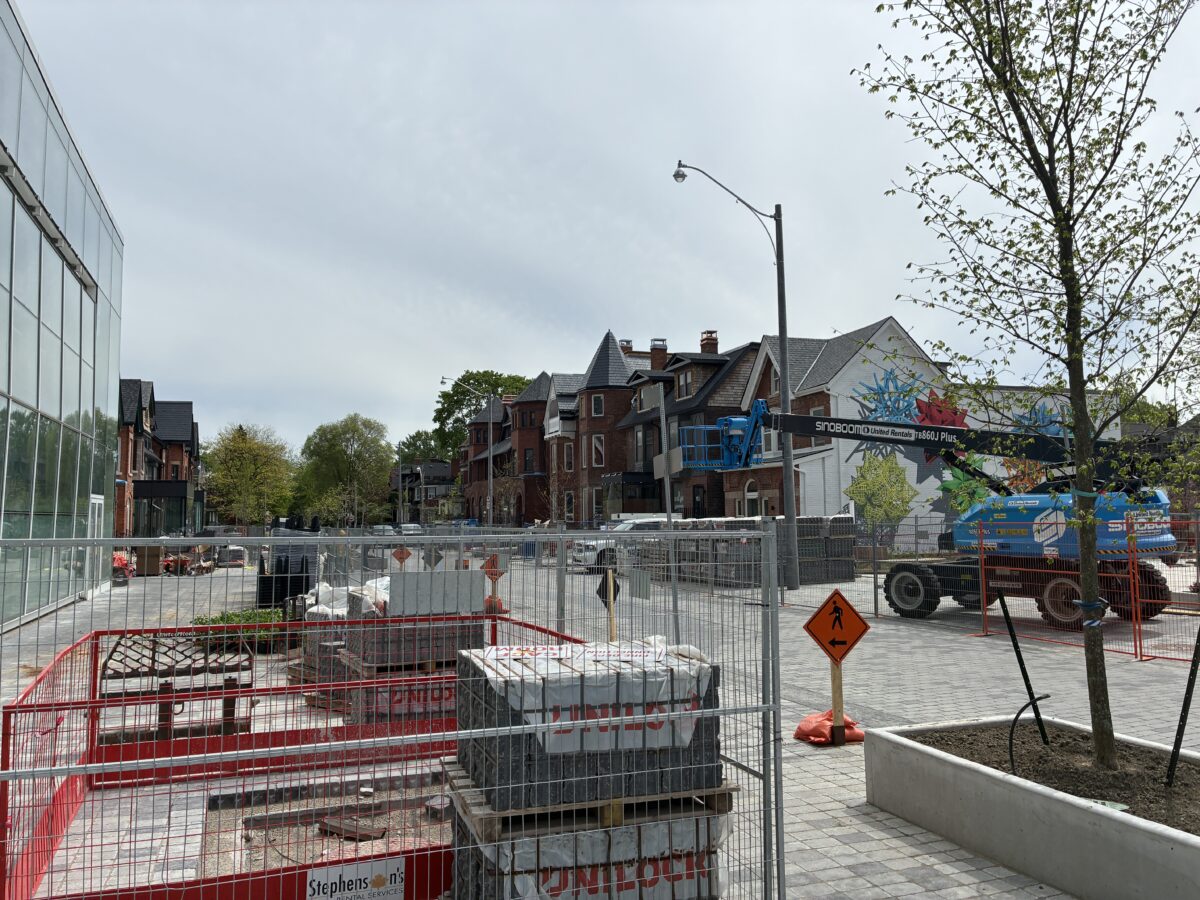
For all the emphasis on theme and curation, Behar is equally insistent on the importance of understanding the community a development will serve before deciding what to put in it. Toronto’s diversity, he argues, makes this both more essential and more interesting than it might be elsewhere.
“Toronto is one of the most genuinely diverse cities on the planet, and that is an enormous asset for developers who are willing to engage with it seriously,” he says. “A new development has the ability to play off the richness and diversity of its surrounding neighbourhood in ways that create something truly distinctive.”
Doing that well requires actual engagement. “The goal is to push the limits of what a neighbourhood can become while also deeply understanding what the community is ready to support,” he says. “That means working closely with local stakeholders and economic development offices, and taking the time to understand what residents actually need, not just what a development team imagines they might want.”
He is candid that the empty storefronts visible in some of Toronto’s newer mixed-use developments are, at least in part, a product of skipping that process.
The Density Paradox
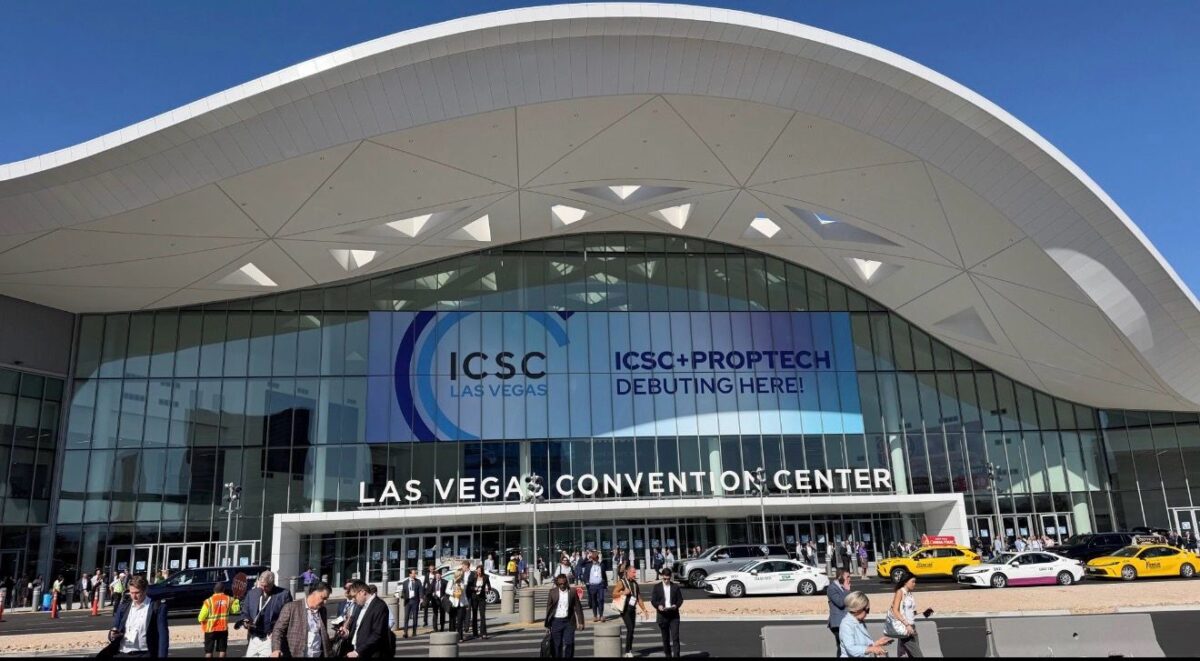
One of the sessions that stayed with Behar from ICSC Las Vegas 2026 was titled exactly that: “The Density Paradox: Why the Most Valuable Retail Real Estate Isn’t Where You Think.” Moderated by Esri’s Gregg Katz and featuring research from Placer.ai and CoStar, the session made the case that population density is an increasingly misleading proxy for retail opportunity, and that some of the most overlooked secondary and tertiary markets in North America are dramatically underserved relative to actual spending capacity.
For Behar, it confirmed what he has been arguing for years in a Canadian context. The instinct among investors and developers concentrated in Toronto and Vancouver is to chase density. He thinks that instinct is leaving significant opportunity on the table. “The opportunity to find well-located land in secondary and tertiary markets and develop genuine community infrastructure, grocery, service commercial, arts and entertainment, and mixed-use residential, is very real and very much underutilized right now,” he says.
The major grocers appear to agree. Both Loblaws and Sobeys have signalled aggressive new-store development programs, and those stores will not all go into downtown Toronto. The supply side reinforces the case further. Post-pandemic construction costs, elevated development charges, and the near-total absence of new shopping centre development have produced a retail real estate market with genuinely constrained supply. That constraint is both a challenge for brands seeking space and an opening for developers willing to move with conviction in markets that others are underestimating.
What 2027 and 2028 Look Like
On predictions, Behar is both willing and specific. He sees several forces converging to define the Toronto retail and entertainment landscape in the next two years, and the conversation at ICSC reinforced most of them. A session on food, beverage and experience-driven assets on Professional Development Day explored exactly the operational complexity that landlords face when integrating these tenants, and another on debunking retail myths with research leads from CBRE and Newmark pointed to the same underlying consumer forces Behar keeps returning to.
Competitive socializing has moved well past novelty. Concepts that integrate food or drink with a game or a sport have held their audience long enough to signal real staying power, and Behar expects the category to deepen further. The global experiential retail market was valued at $132 billion in 2025 according to Metatech Insights, with projections reaching $543 billion by 2035.
Immersive exhibition experiences are gaining sustained ground. “I expect we will see continued growth in what I would call museuming, immersive walkthrough exhibition experiences that give consumers something to participate in rather than simply observe,” he says. The category works because it answers a specific and growing consumer demand for participation and novelty that conventional retail consistently struggles to deliver.
Live entertainment districts are emerging as the organizing principle for a new generation of mixed-use development. “What I see coming is the continued emergence of live districts, anchored by a music or entertainment venue, and surrounded by an ecosystem of restaurants, hotels, patios, piazzas, and residential,” Behar says. “That model creates the kind of gravitational pull that individual tenants simply cannot generate on their own.” ROQ City is the most deliberate Toronto expression of this so far, but Behar expects the model to spread.
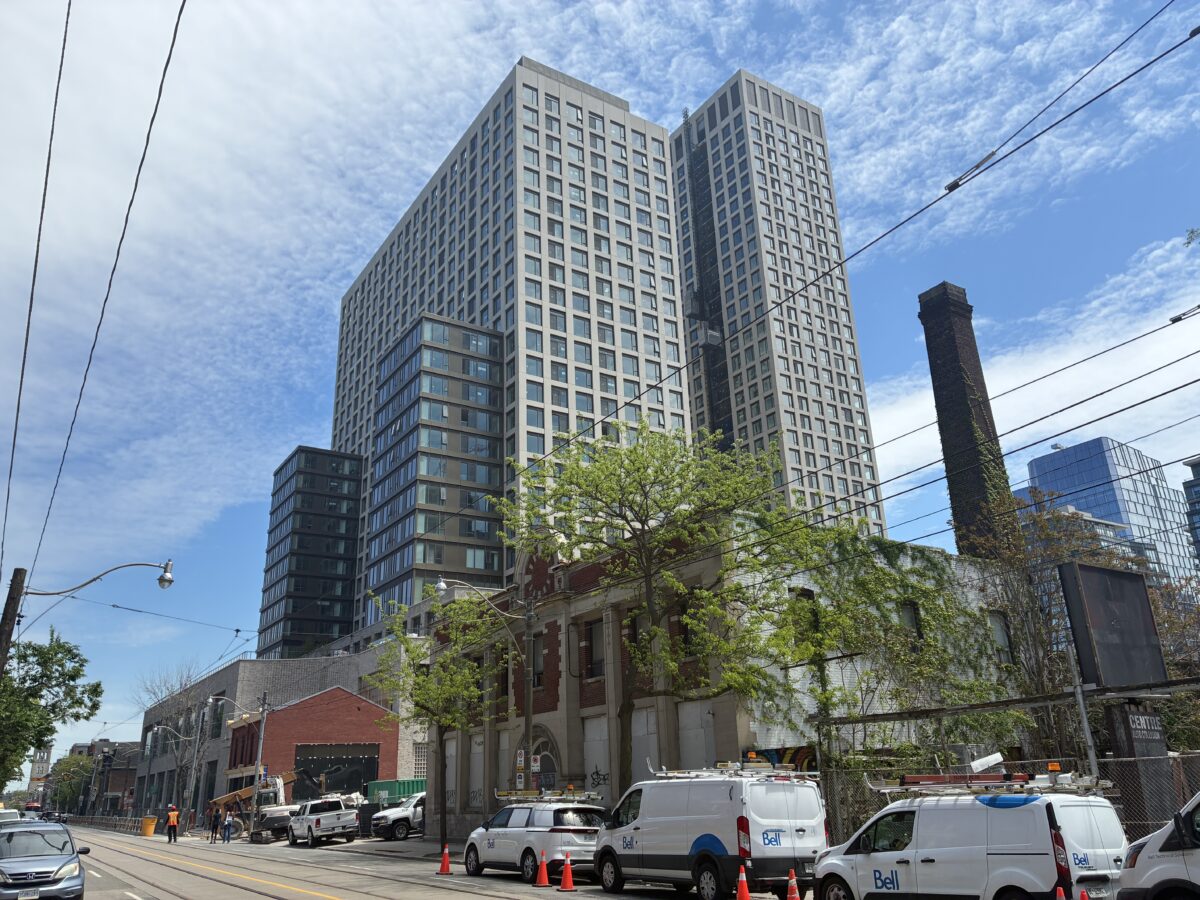
Food and beverage continues to carry the market, and the picture at the street level is specific. “The bagel category has been extraordinary, and I fully expect it to become even more competitive by 2027,” he says. Behind the bagels, the larger story is premium-casual food: chef-driven quick service, hyperlocal craft concepts, independent operators who build genuine followings. That momentum creates real risk for established chains that have relied on brand recognition alone.
“Many of the brands that consumers have known and loved for years now face a significant challenge,” Behar says. “They need to become genuinely edgy, to continue transforming and surprising their customers, or risk losing them to the independent and craft operators who are earning that loyalty every day. The brands that are relying primarily on the strength of their name are going to find that increasingly difficult. Adaptation is not optional.”
He sees this as part of a broader and durable consumer shift. “There is a clear pursuit of local and a clear pursuit of craft,” he says. “Consumers want discovery. They want to feel like they have found something, not simply arrived at a place they already knew.”
Pop-up retail is one practical response to that shift, and Behar notes that landlords are becoming genuinely receptive rather than merely tolerant. A dedicated ICSC session on filling empty downtown storefronts drew significant attendance, with panelists from Pittsburgh, Washington D.C., and Arlington, Texas all pointing to flexible leasing formats and pop-up strategies as among the most effective tools for activating ground-floor retail. Behar’s read from the Canadian side aligns precisely. “The industry is increasingly embracing shorter-term tenancies as a deliberate strategy,” he says. “It gives operators the opportunity to test a location without a long-term commitment, and it gives landlords energy, activation, and the ability to refine their tenant mix over time. Even within food halls, we expect and plan for annual turnover. That is not a failure. From a customer experience perspective, it is actually a strength.”
On the competitive landscape, the Canadian market is about to face meaningful new pressure from international brands. As 6ixRetail reported this month, Dunkin’ is returning to Canada through Foodtastic with a serious opening cadence already underway. But Behar also notes the movement in the other direction. “Canadian operators are looking at the United States more seriously than at any previous point,” he says. “Restaurant concepts, hoteliers, residential developers, many of them are actively pursuing U.S. opportunities, not at the expense of their Canadian business, but as an additional layer of investment. That cross-border flow is going to continue.”
On AI, Behar draws a precise distinction between two very different applications of the same technology, and the ICSC schedule reflected the same tension. A session titled “Beyond the Hype: CIOs on What’s Actually Delivering AI ROI” brought together technology leaders from Unibail-Rodamco-Westfield, Primaris REIT, and Brixmor to separate genuine operational results from marketing noise, while the Esri-sponsored analytics sessions focused specifically on how location data and AI are rewriting market planning. For analytics, site selection, and demographic mapping, Behar sees a strong and growing case. “The application of AI to analytics, demographics, site selection, and behavioral mapping is significant and growing,” he says. “The ability to develop behavioral insights, understand purchasing patterns, and evaluate markets with greater precision is genuinely valuable, and that value will only increase.”
As a communication shortcut, he is openly skeptical. “The professionals who are using AI to write their emails and handle their day-to-day communications are, in my view, making a mistake,” he says. “I receive correspondence regularly from people I have known for years that simply does not sound like them. The relationships and the authenticity that define this industry are not things that can be automated. The tool should augment human thinking, not replace it.”
The through line across everything Behar describes is consistent. Consumers are pursuing discovery. They want craft, local, curated, and new. The developments and operators that understand that instinct well enough to build around it from the beginning are the ones that will define what Toronto’s commercial landscape looks like by the end of the decade. Behar has been building that argument for thirty years. The city is finally building it with him.

Dustin Fuhs is the founder and Editor-in-Chief of 6ix Retail, Toronto’s premier source for retail and hospitality industry news. As the former Editor-in-Chief of Retail Insider, Canada’s most-read retail trade publication, Dustin brings over two decades of expertise spanning retail, marketing, entertainment and hospitality sectors. His experience includes roles with industry giants such as The Walt Disney Company, The Hockey Hall of Fame, The Canadian Opera Company, Starbucks Canada and Blockbuster.
Recognized as a RETHINK Retail Top Retail Expert in 2024, 2025 and 2026, Dustin delivers insider perspectives on Toronto’s evolving retail landscape, from emerging brands to established players reshaping the city’s commercial districts.