

Queen Street West has been reinventing itself for more than 200 years.
Laid out as Lot Street in 1793, it evolved from a commercial strip for factory workers into Toronto’s punk and underground music hub, then became the block that launched MuchMusic to a national audience. Today it is a designated heritage conservation district, a planning protection that preserves the low-rise character and architectural fabric that defines the street, with more live music venues than anywhere else in the city, a fashion destination that draws lineups around the block, and a neighbourhood that still runs on independent spirit.
It also draws 3.5 million visitors every month and approximately 45 million yearly.
Simon Wong took over as Executive Director of the Queen Street West BIA in November 2024, bringing 15 years of brand experience from Kraft Heinz, Samsung, and Loblaw. He sat down with 6ix Retail to talk through the new brand, two incoming Ontario Line stations, FIFA 2026, and what it actually takes to sustain a night economy in 2026.
The Rebrand: From a Street to a Vibe
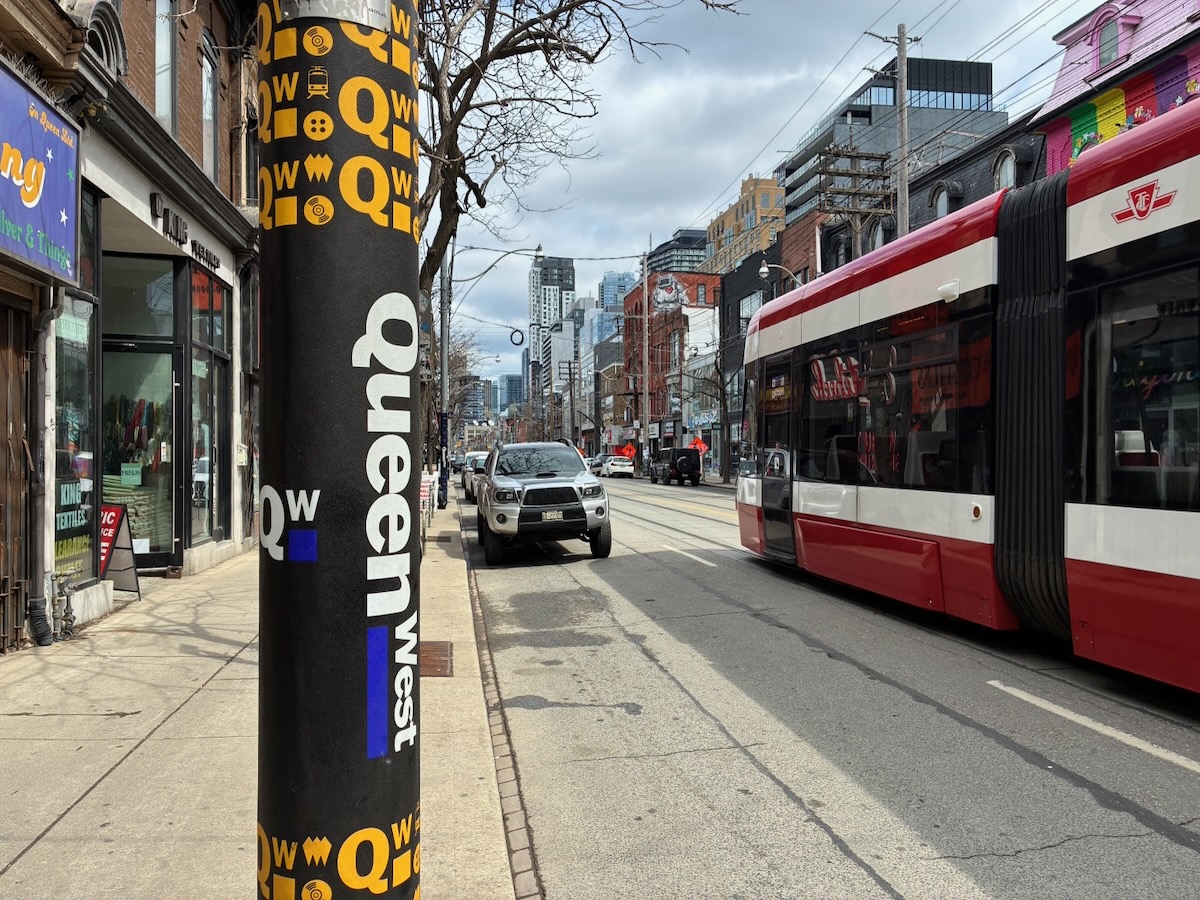
The BIA surveyed its business community, residents, and Torontonians at large earlier this year. More than 100 people responded.

“Ninety percent said they call it Queen West, not Queen Street West,” Wong said. “To them it is not a street. It is a vibe, a neighbourhood, a feeling.”
That single insight drove the entire rebrand. The new visual identity is clean and minimal, drawing inspiration from street signage found in cities around the world, designed to frame the neighbourhood rather than compete with it.
“We want our businesses, our community, the colour of the street to come through,” Wong said. “We represent more than 350 businesses in this corridor and they are what give this place its identity.”
The brand promise that ties it together: our street is a canvas. For a neighbourhood built on graffiti culture, punk music, and independent creative energy dating back decades, it is a line that needed no explanation.
“Creativity here is not something that lives only at Graffiti Alley,” Wong said. “It lives everywhere on this street.”
The creative audience Wong is building the brand around is deliberately broad. A student from OCAD, which sits at the top of the corridor at McCaul and Dundas, carries the same creative instinct as a vintage shopper from Mississauga or a musician looking for a rehearsal space.
“Someone with a creative spirit,” Wong said. “You can define that however you like.”
The Investment Story
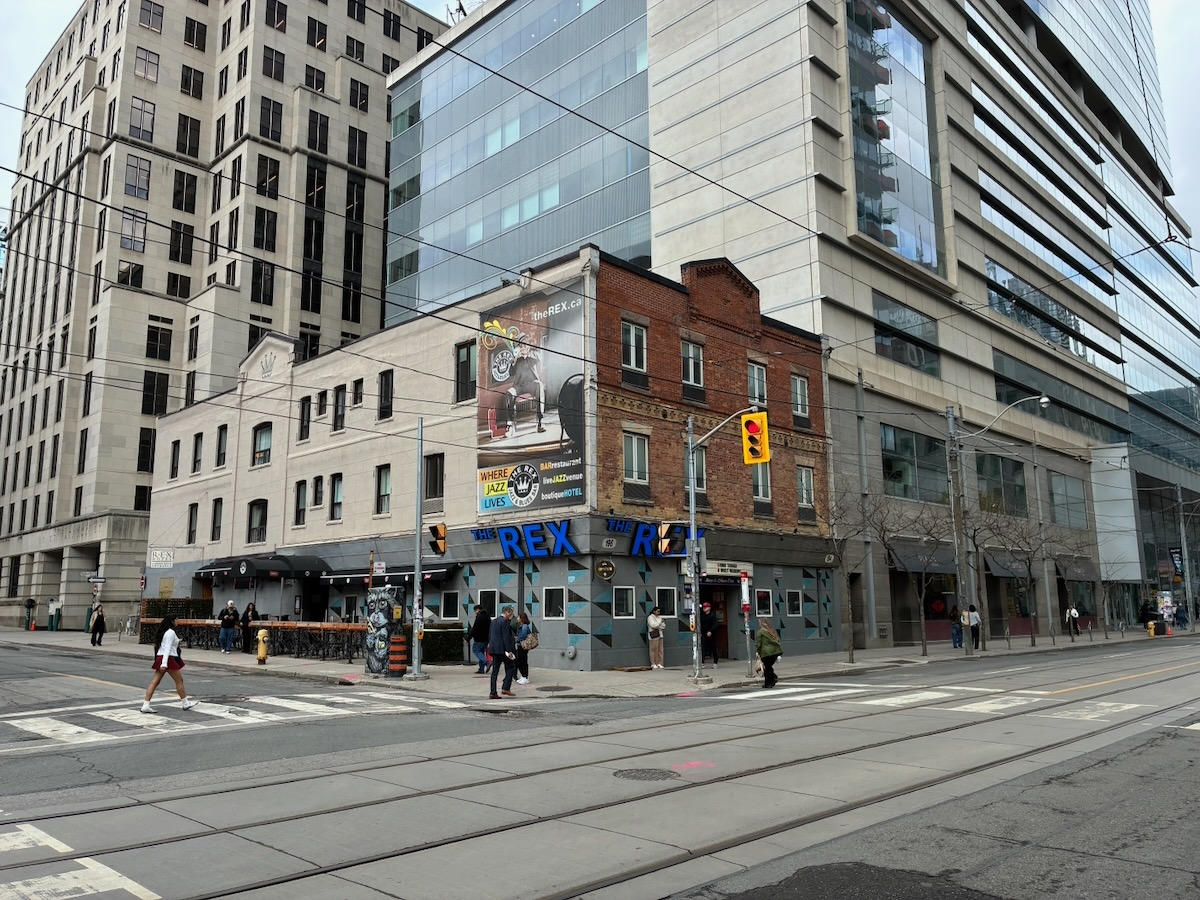
Despite the perception that Queen West is in flux, the numbers tell a different story. Vacancy has fallen since 2024 from 14% to 10% and held steady and pedestrian counts are returning to pre-pandemic levels.
“We have more foot traffic here today due to neighbouring residential intensification and continue to be a desintation neighbourhood. ,” Wong said.
The corridor’s business mix reflects a street that has evolved without losing its identity. Food and beverage accounts for 50 percent of businesses, clothing 15 percent, and services and others 35 percent. Half of all businesses on the strip are considered small or independent.
A retail study commissioned in 2024 confirmed Queen West’s single biggest competitive advantage: more live music venues than anywhere else in the city. The Rex, the Rivoli, the Horseshoe Tavern, Cameron House, Drom Taberna and Bovine Sex Club.
“Those are not just cultural assets. They are economic drivers,” Wong said. “People shop and dine here because they are coming to catch a local band or show.”
Wong points to Flying Books at Neverland at 371 Queen West, a cafe, wine shop and bookstore that is part of the Peter Pan family, as exactly the kind of concept the street is known for.
“A coffee shop, a wine shop, and a curated bookstore in one intimate space, and it is always full,” he said. “That is what Queen West does that a mall cannot.”
Brandy Melville draws lineups of 50 to 100 people on the sidewalk daily, including through winter. Wong sees it as an opportunity the whole strip has not yet fully seized.
“The opportunity is not to be known as the street where one brand has a lineup. The opportunity is to capture all of those people once they are done.”
The demand story is only getting stronger. Residential development in the surrounding area is expected to add approximately 13,000 new residents within walking distance of the BIA in the coming years. Combined with the corridor’s existing base of office workers, OCAD students, tourists, and suburbanites making a day of it, Queen West is not dependent on any single visitor type.
“We are not restricted to any one segment,” Wong said. “It is all of them, and that breadth is what makes this street durable.”
The BIA is also spending on the less visible work improving the public realm. This past winter it supplemented city snow removal crews to clear intersections and keep business entrances accessible.
“Queen West is gritty. That is part of its character,” Wong said. “But gritty does not mean neglected.”
What People Get Wrong About the Ontario Line
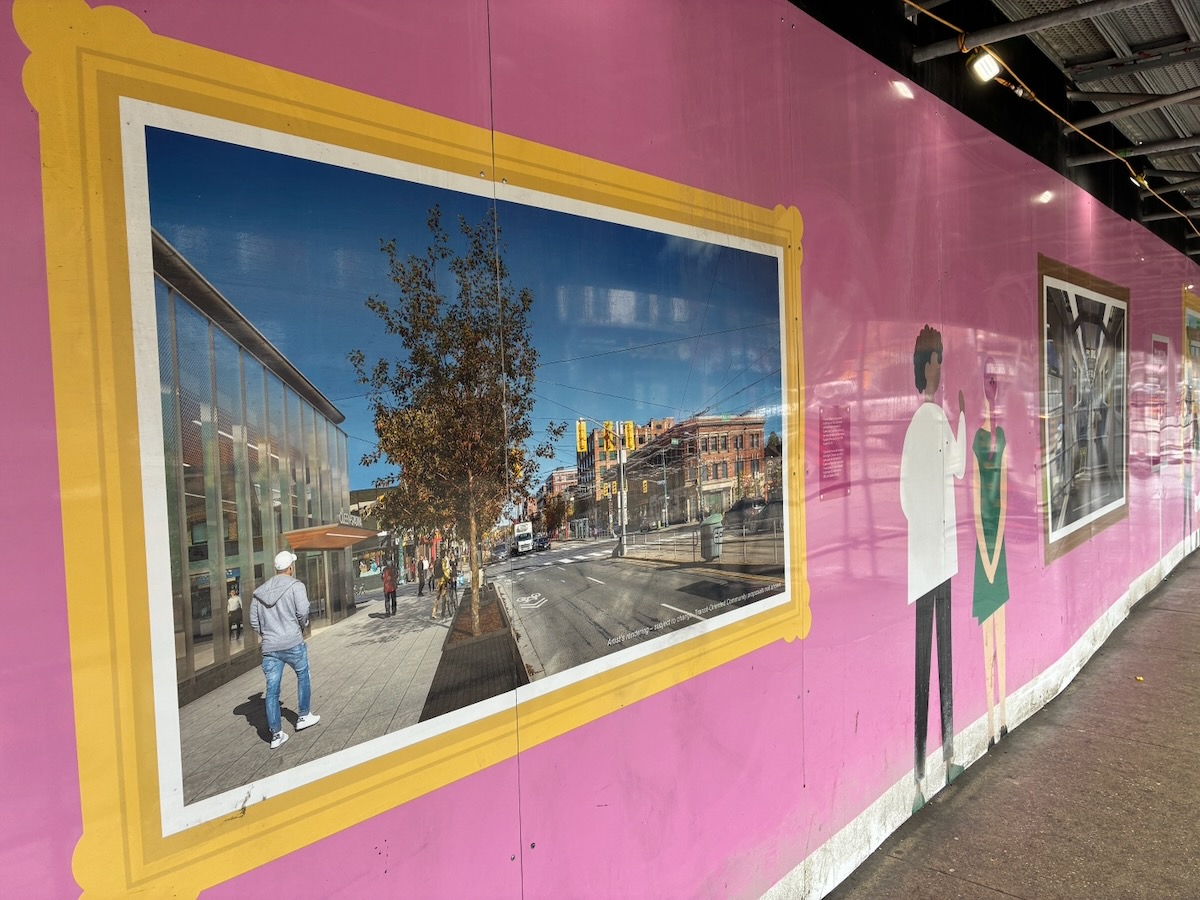
The anxiety is understandable. Years of construction headlines, lane closures, and the memory of what the Eglinton Crosstown did to businesses along that corridor have made downtown operators nervous.
But the Queen West situation is different, and Wong says the distinction matters.
“The bulk of our construction is happening underground,” he said. “The street-level impact is not the same story people have seen elsewhere.”
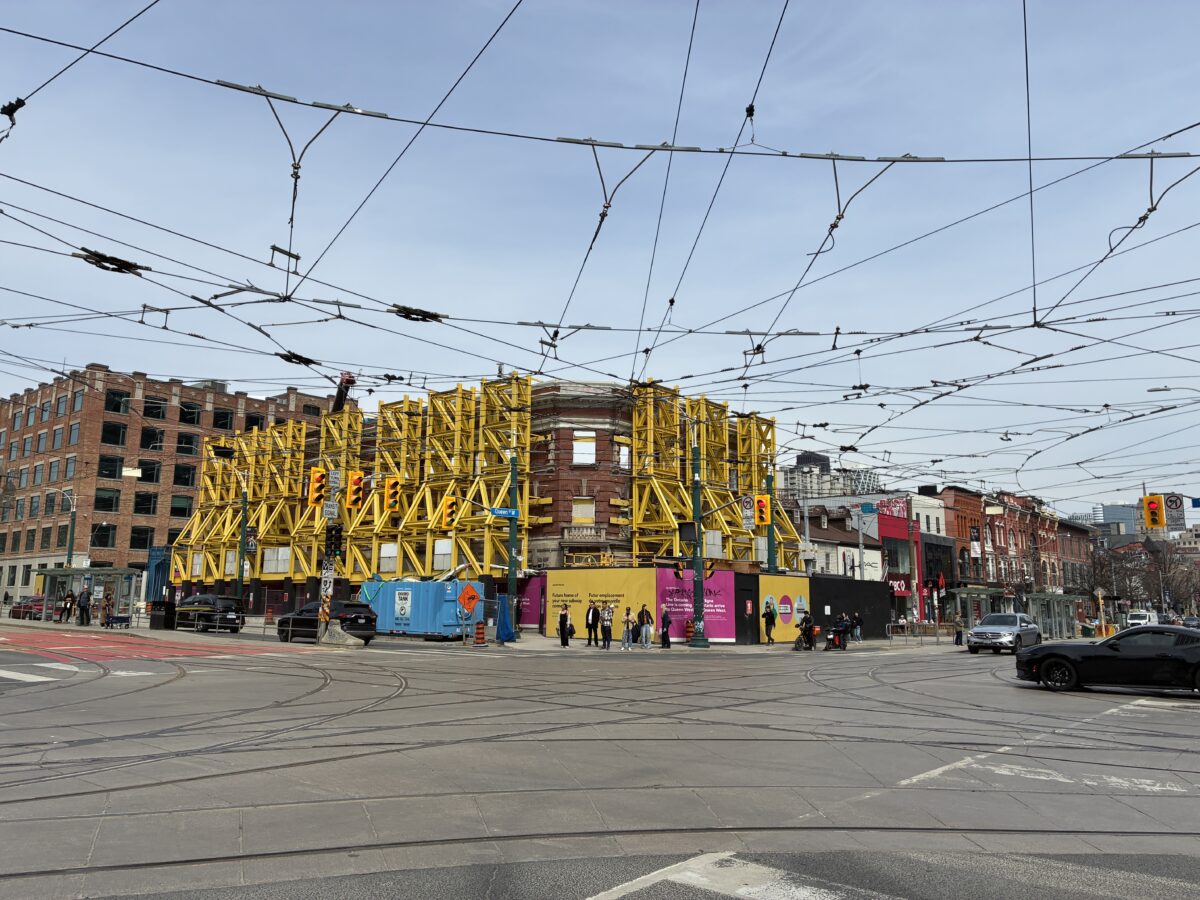
The BIA has worked directly with Metrolinx throughout the build to manage site cleanliness and minimize disruptions. Just weeks before this interview, the eastbound lane of Queen between Duncan and University reopened, restoring full sidewalk access for businesses and residents that had been affected.
“That happened because we pushed for it,” Wong said.
Queen West will have two Ontario Line stations within its BIA boundary when the line opens, at Queen and Spadina and at Osgoode. Combined with the 501 streetcar, a 24-hour line that carries more daily riders than some American metro systems, the increased transit access this corridor is about to have is significant.
“Transit has always lifted the neighbourhoods it reaches,” Wong said. “The short-term disruption is real. The long-term payoff is significant.”
The Night Economy
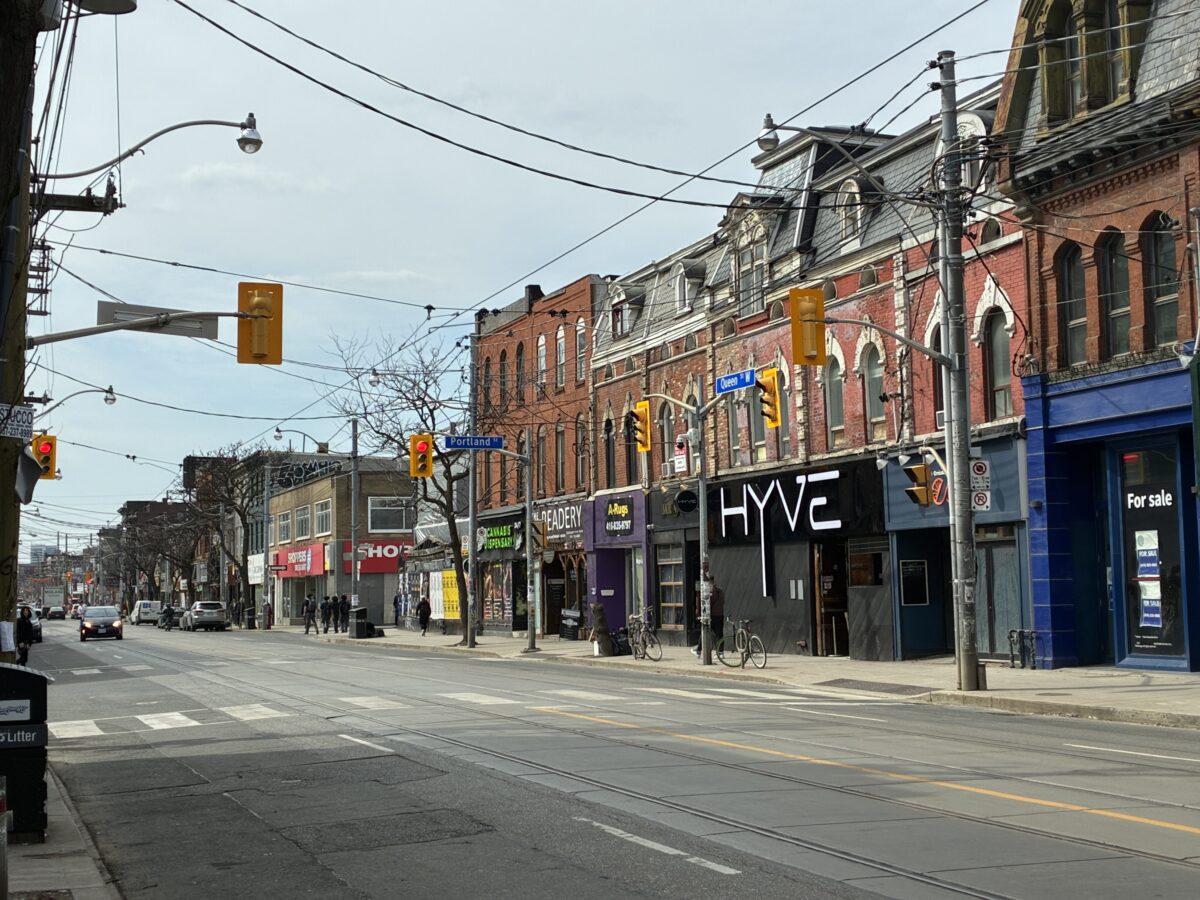
Queen West does not have a night economy problem. It has a night economy opportunity.
The live music rooms, the bars and clubs, the late-night energy that spills into neighbouring King West. The bones are there. What the BIA is focused on now is building the full ecosystem around them.
Wong brings up a dimension that rarely gets discussed at the industry level.
“People focus on the people coming in to be entertained,” he said. “What we also need to think about is the people who work in the night economy. If you finish a club shift at 5 a.m., where do you go? What is open? We need to be there for those workers too.”
The BIA sits on the City of Toronto’s external night economy working group and works directly with the city’s night economy office. Extended retail hours across the shopping district are part of the active conversation.
“It is not just food, beverage, and entertainment after 6 p.m.,” Wong said. “It is also about ensuring the activities like shopping and accessing services are open later, , to create more economic activity and a more complete night out for everyone already here.”
FIFA 2026 and the July 2nd Block Party
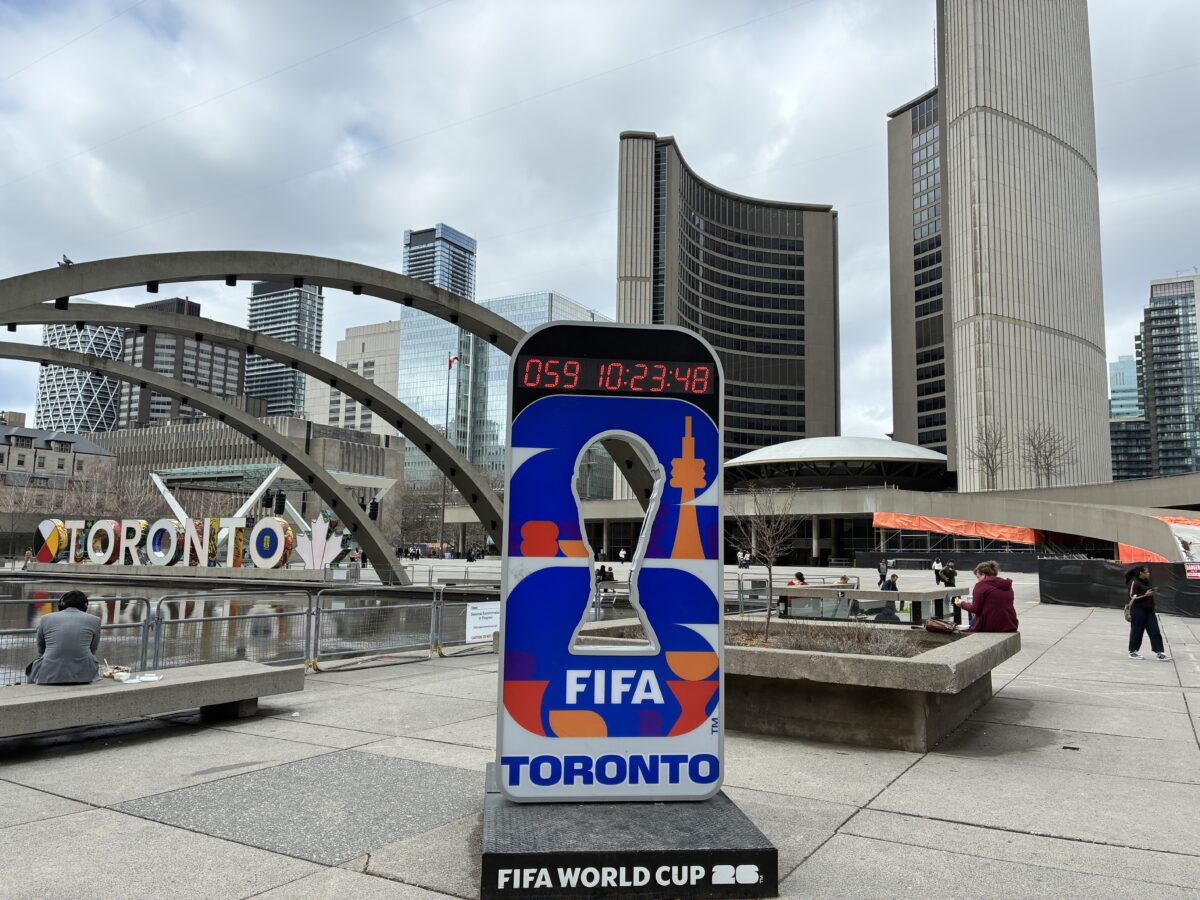
Queen West sits just outside the official FIFA last mile zone, which terminates around King Street. For Wong, that is less a limitation than a strategic position.
The BIA is hosting a block party on July 2nd at the Green P Lot at 15 Denison Avenue, running from 4 to 11 p.m. and timed to the final FIFA match being played in Toronto. The event will feature live world music, local food vendors, and art, programmed deliberately for the evening to capture the post-game energy flowing up from the core.
“FIFA is going to bring the world to our doorstep,” Wong said. “We want to show those visitors what Toronto’s diverse, creative and independent spirit is and Queen West is well positioned to do that.”
Vacancies and the Landlord Conversation
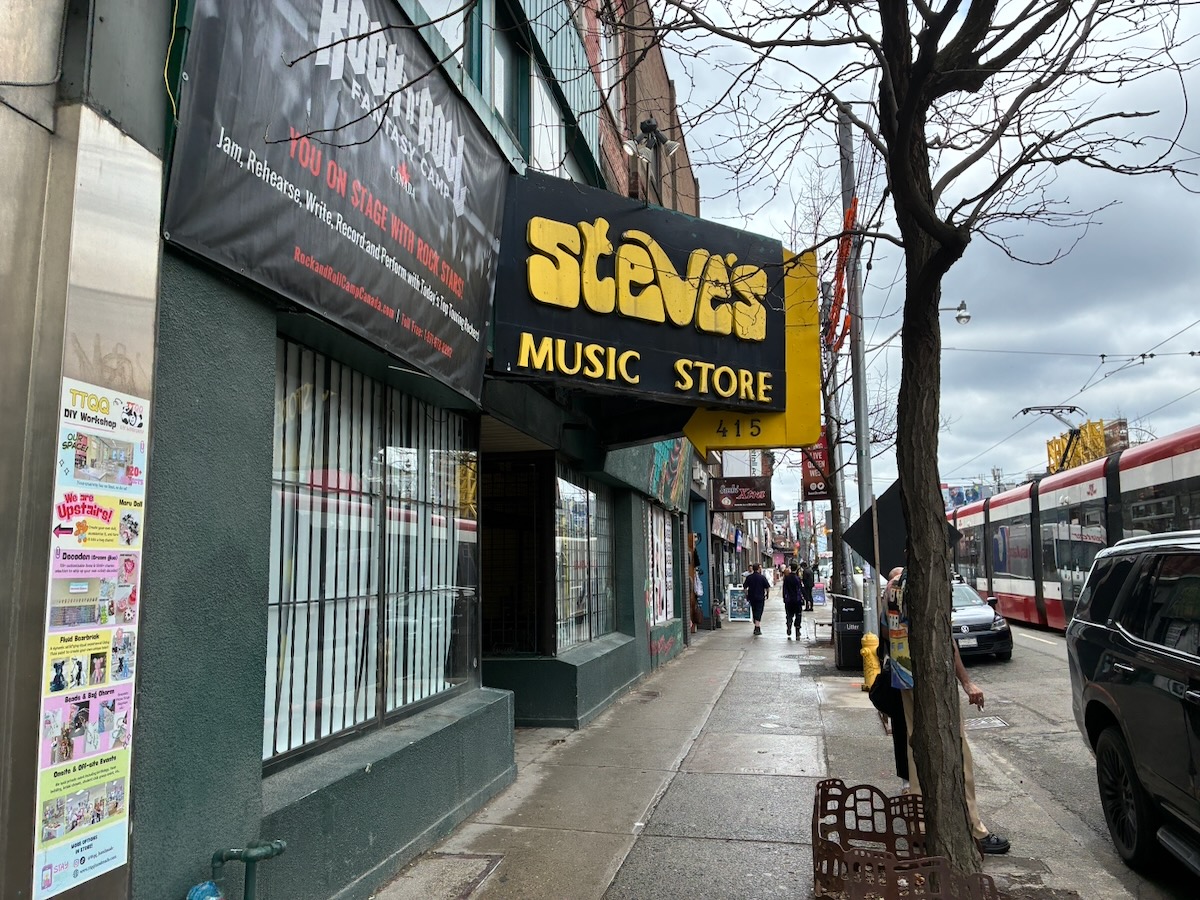
Empty storefronts are part of the current reality on Queen West. Wong is not pretending otherwise, but his focus is less on the problem than on what can be done with those spaces while permanent tenants are being secured.
The BIA has previously activated vacant storefronts through pop-ups and community programming. Wong wants to build on that by getting closer to brokers and landlords before spaces go dark rather than after.
“A dark storefront is not the only option,” he said. “Whether it is a pop-up, an activation, or an art installation, we want to work with landlords to make those spaces a value add to the street rather than a gap in it.”
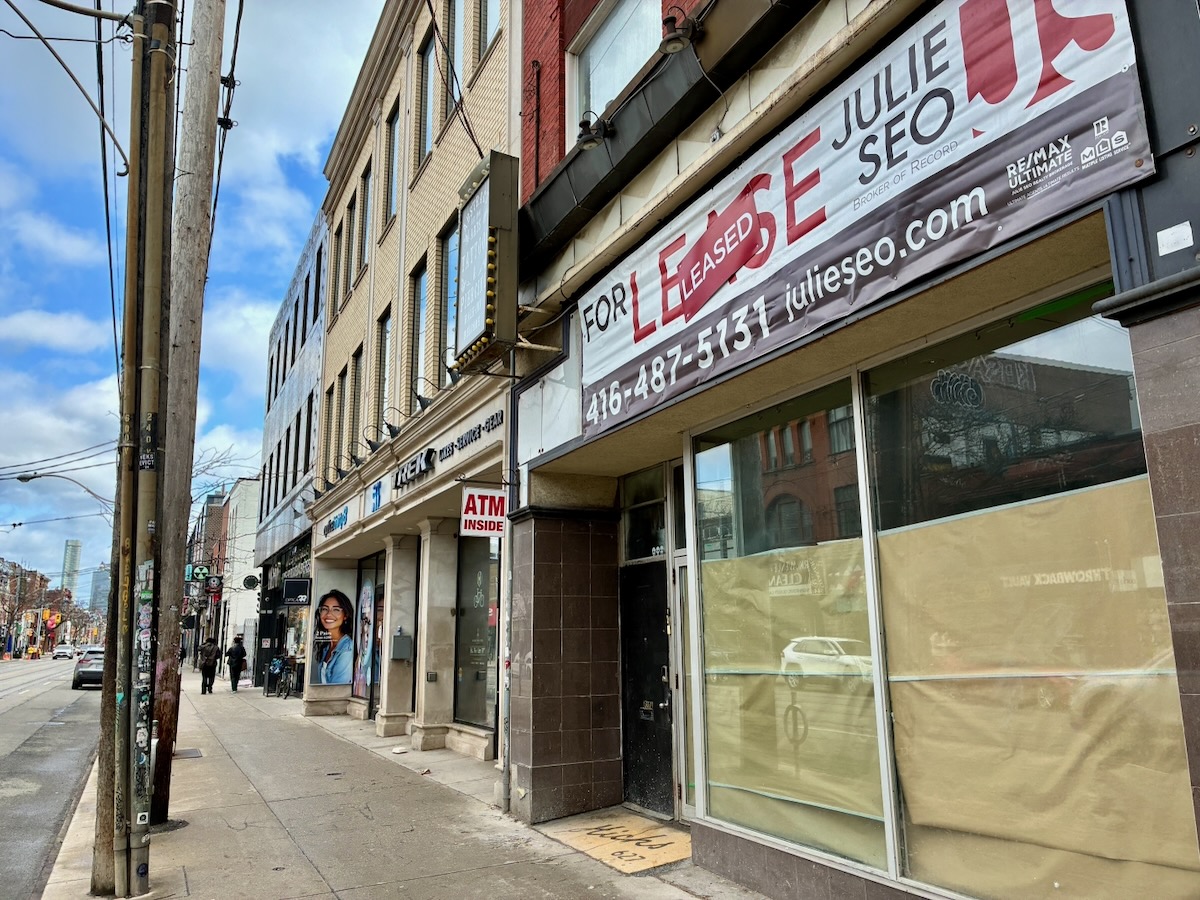
Residents are also part of the conversation. The BIA wants to use community feedback to identify unmet retail needs and feed that intelligence directly back to brokers as part of its business attraction work.
“It closes a loop that has not always been closed,” Wong said.
He ended the conversation the way he started it. Focused on the street.
“If you love something, you support it. Shop here. Dine here. Come out at night. The future for Queen West is bright. But it takes people actually walking through the door.”

Dustin Fuhs is the founder and Editor-in-Chief of 6ix Retail, Toronto’s premier source for retail and hospitality industry news. As the former Editor-in-Chief of Retail Insider, Canada’s most-read retail trade publication, Dustin brings over two decades of expertise spanning retail, marketing, entertainment and hospitality sectors. His experience includes roles with industry giants such as The Walt Disney Company, The Hockey Hall of Fame, The Canadian Opera Company, Starbucks Canada and Blockbuster.
Recognized as a RETHINK Retail Top Retail Expert in 2024, 2025 and 2026, Dustin delivers insider perspectives on Toronto’s evolving retail landscape, from emerging brands to established players reshaping the city’s commercial districts.