
Toronto has been studied, consulted on and strategized about for as long as anyone in this industry can remember. Reports have been written. Summits have been held. And for most of that time, the city’s visitor economy has operated without a shared direction, each sector pulling toward its own priorities, each organization defending its own corner.
On April 21, that started to change.
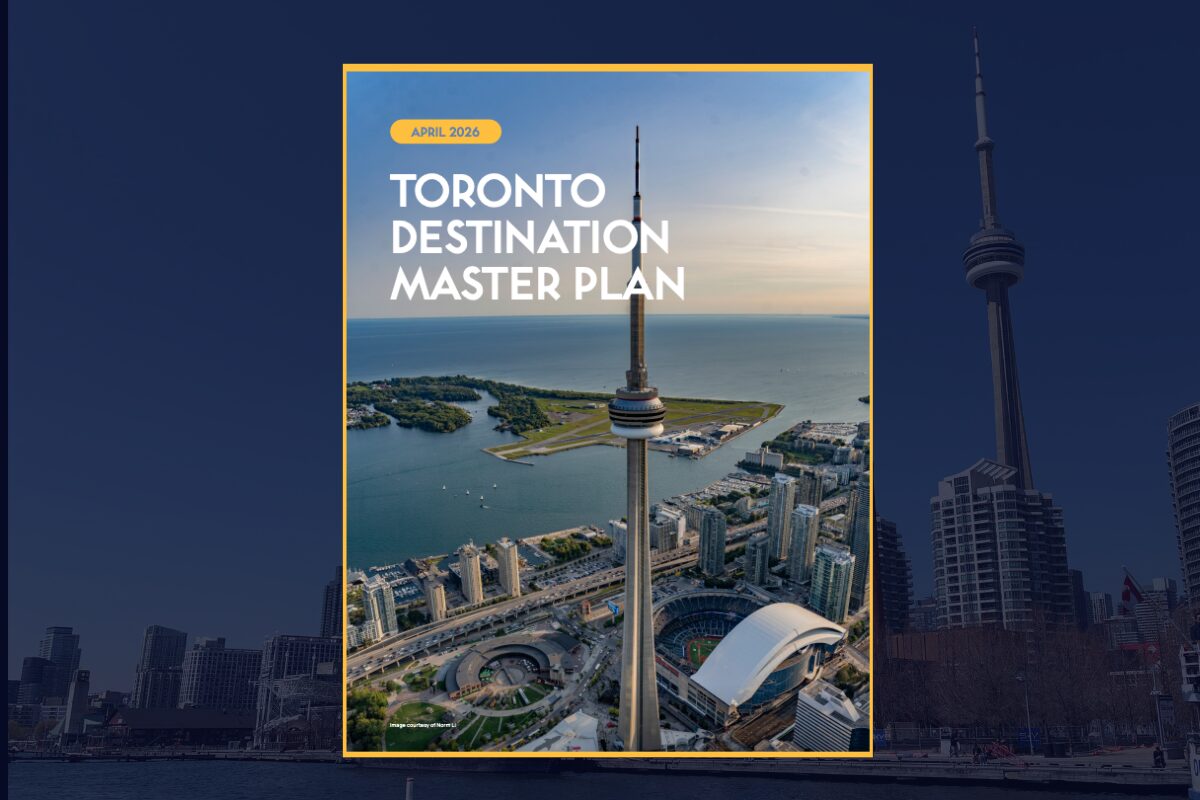
Destination Toronto launched the Toronto Destination Master Plan, a decade-long roadmap developed alongside more than 400 organizations across the city. It is the first time Toronto’s visitor economy has had a coordinated, city-wide strategy. President and CEO Andrew Weir sat down with 6ix Retail to talk through what the plan actually says, where the real opportunities are, and what has to happen now.
A Foundation Most Cities Would Envy
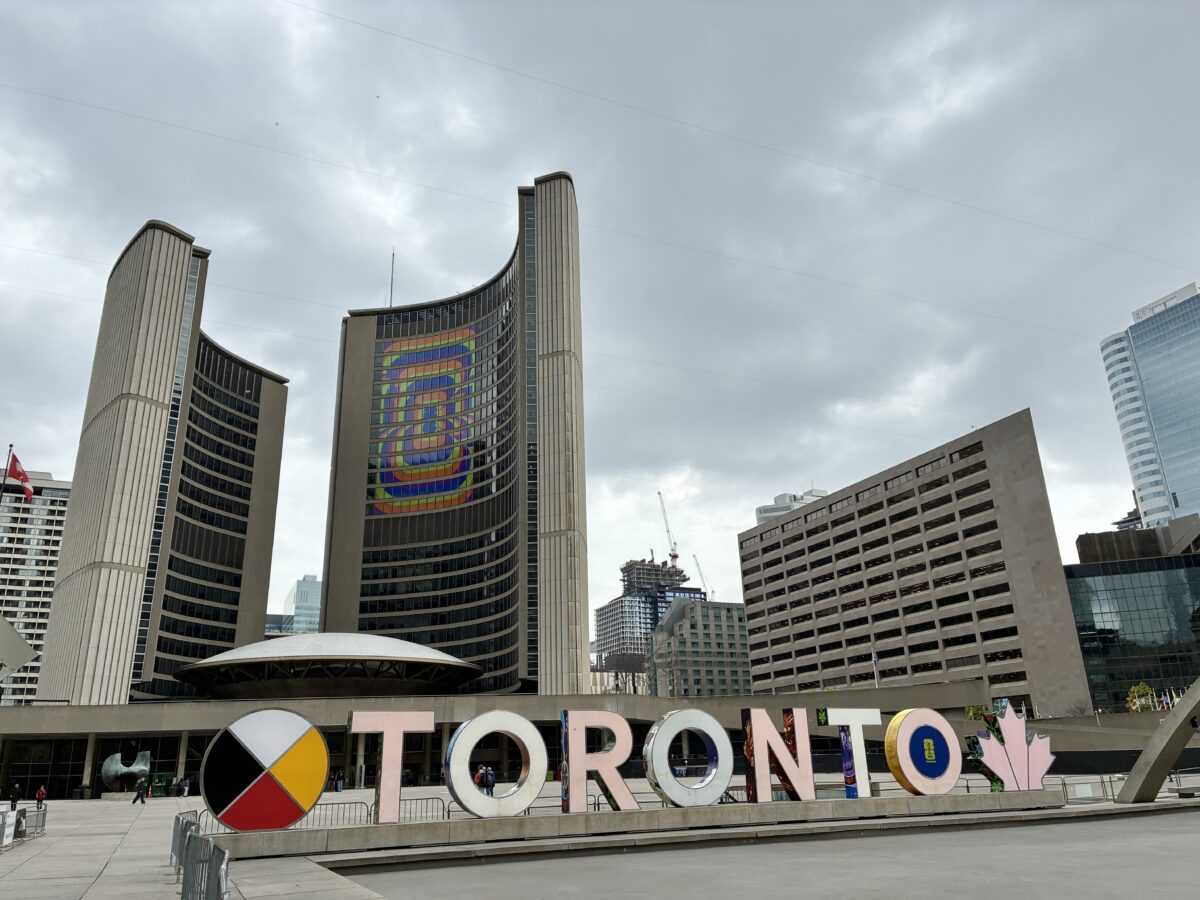
Toronto welcomed a record 28.2 million visitors in 2025, generating $9.1 billion in spending across the city. International arrivals were the fastest-growing segment, reaching 1.4 million visitors. Those travelers stay longer and spend more, driving a disproportionate share of overall visitor spending. US and international visitors alone account for 37 per cent of total visitor spending.
“Toronto has a very diversified visitor economy,” Weir says. “Domestic, American and international visitors. Leisure travelers, business travelers, major conventions. That diversification is what helps level out what would otherwise be significant seasonal imbalances. Not every destination has that strength.”

Leisure travelers fill weekends. Business travelers arrive during the week. International visitors peak in summer. Regional visitors from Southern Ontario and Quebec come in winter specifically for Raptors games, Leafs games, concerts and theatre. Meetings and conventions carry the shoulder seasons. In 2025, Toronto hosted 74 major meetings with an estimated 378,000 delegates generating nearly $1 billion in economic impact.
The plan also benchmarks Toronto against 14 peer North American cities across 51 indicators. Toronto ranks as a top-tier destination for arts and culture, culinary experiences, retail and attractions. Dining, arts, culture and shopping are among the most frequently cited motivations for visiting. Toronto’s air connectivity ranks above average among peer cities.
“We’re fortunate to have that kind of balance,” Weir says. “But that doesn’t mean we stop there. The plan is about building on that strength in a coordinated way that the city has never had before.”
The 40 Per Cent Problem
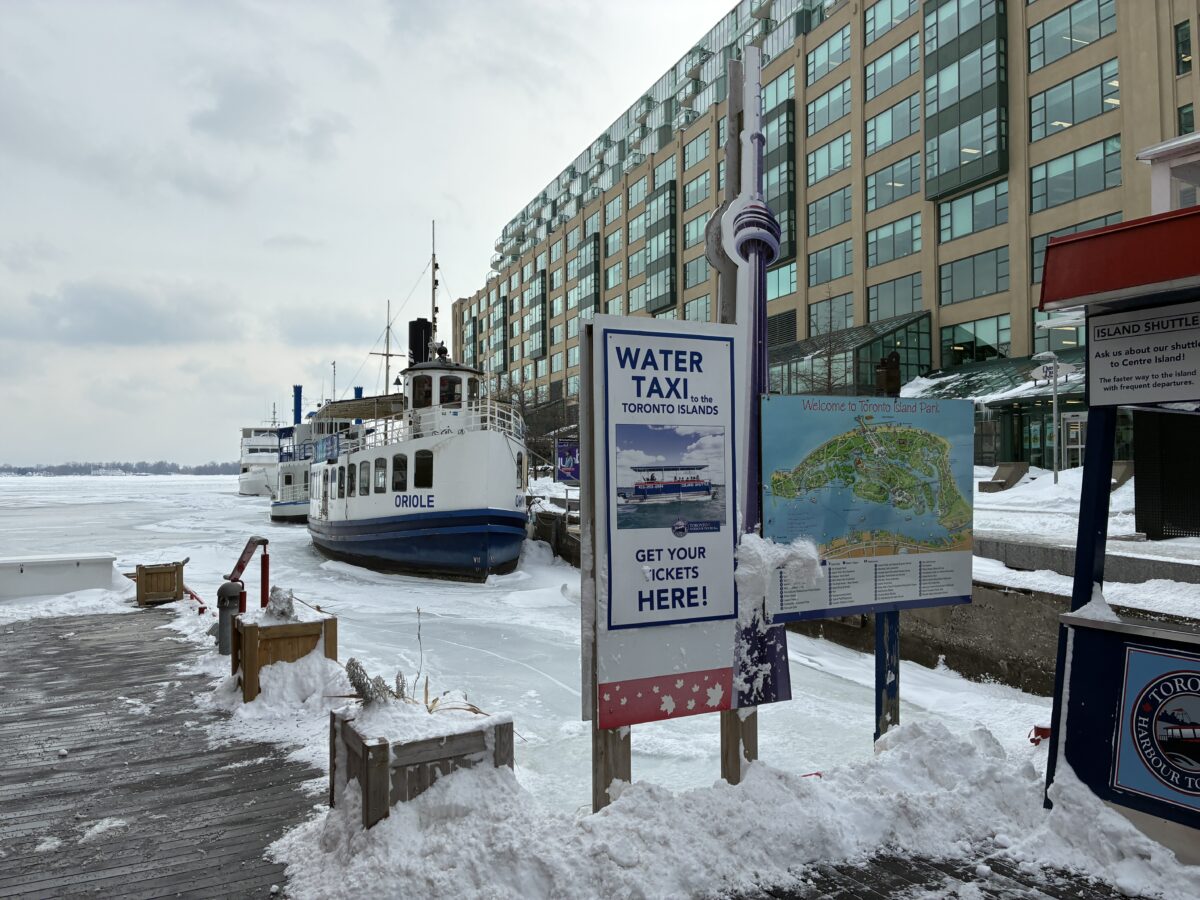
Every operator in this city knows the feeling. January arrives and the city goes quiet.
The plan puts a number on it. Toronto sees a 40 per cent drop in visitor numbers between January and March. That gap is one of the clearest growth opportunities in the entire document.
“When patios were the only option during the pandemic, people embraced them in February,” Weir says. “The question now is how we make that permanent and build on it. As we develop concepts like pedestrian streets, how do we design them for winter activation from the start rather than treating winter as an afterthought?”
The plan calls for a dedicated Winter Activation Strategy identifying priority districts, winter programming, lighting, food experiences and amenities to drive visitation from November through March. The hardware side. The software side is about building demand.
When the conversation turns to Pan Am in 2015, when the entire city activated around a single shared purpose, with businesses, attractions and hotels all working toward the same goal every single night, Weir sees that kind of coordination as exactly what this plan is designed to sustain year-round.
“The culinary scene, the arts, the concerts, the pro sports, all of that exists equally in winter as it does in summer,” he says. “What we need to solve for is making the experience of getting to those things, and moving between them, just as pleasant in February as it is in July. That is the challenge. And it is also the opportunity.”
The First Date
“For a long time, tourism has been understood through the lens of how much visitors spend when they’re here,” Weir says. “And that’s critically important. We sure see it and feel it when the visitors aren’t here, like during SARS or during COVID. But the benefits of tourism run much deeper.”
A major medical convention fills the convention centre, the hotels and the restaurants. What happens in Toronto during that week reaches well beyond the hospitality sector.
“When a major medical meeting comes to the city, it draws on content from our universities, our life science incubators, our entrepreneurial community,” he says. “It puts the world’s thought leaders in a particular field in the same room as our leaders in that field. That creates real opportunities for investment attraction, talent attraction, trade and export development. All of those benefits are much better understood now.”
“Tourism is the first date for investment attraction,” Weir says. “It starts with a visit. Someone experiences Toronto firsthand and that has a catalytic effect. They start to think, I could see investing here. I could see moving here. I could see opening our next research lab here. It all starts with that first visit.”
The logic shapes how Destination Toronto thinks about competing for conventions.
“When organizations are trying to get senior leaders from major companies to come to Toronto, one way is to invite them directly,” he says. “The other way is to find out what meetings those people attend and just get the meeting here. Because that person is going to go to the meeting wherever it is held. If we get it in Toronto, that CEO and all the others who attend are going to be here. It is an opportunity to take Toronto for a test drive. And that always has significant ripple effects.”
The plan identifies major meetings aligned with Toronto’s leadership in technology, life sciences, finance, film, music and creative industries as a specific priority, turning business events into citywide catalysts for broader economic growth.
“The things that make Toronto appealing for visitors also make it appealing for residents,” Weir says. “If we get some of these things right, if we create more street-level vibrancy, if we improve connectivity, if we add new iconic landmarks and attractors, then yes, that will attract millions more visitors. But it will also benefit the millions of people that already live here.”
Beyond the Core
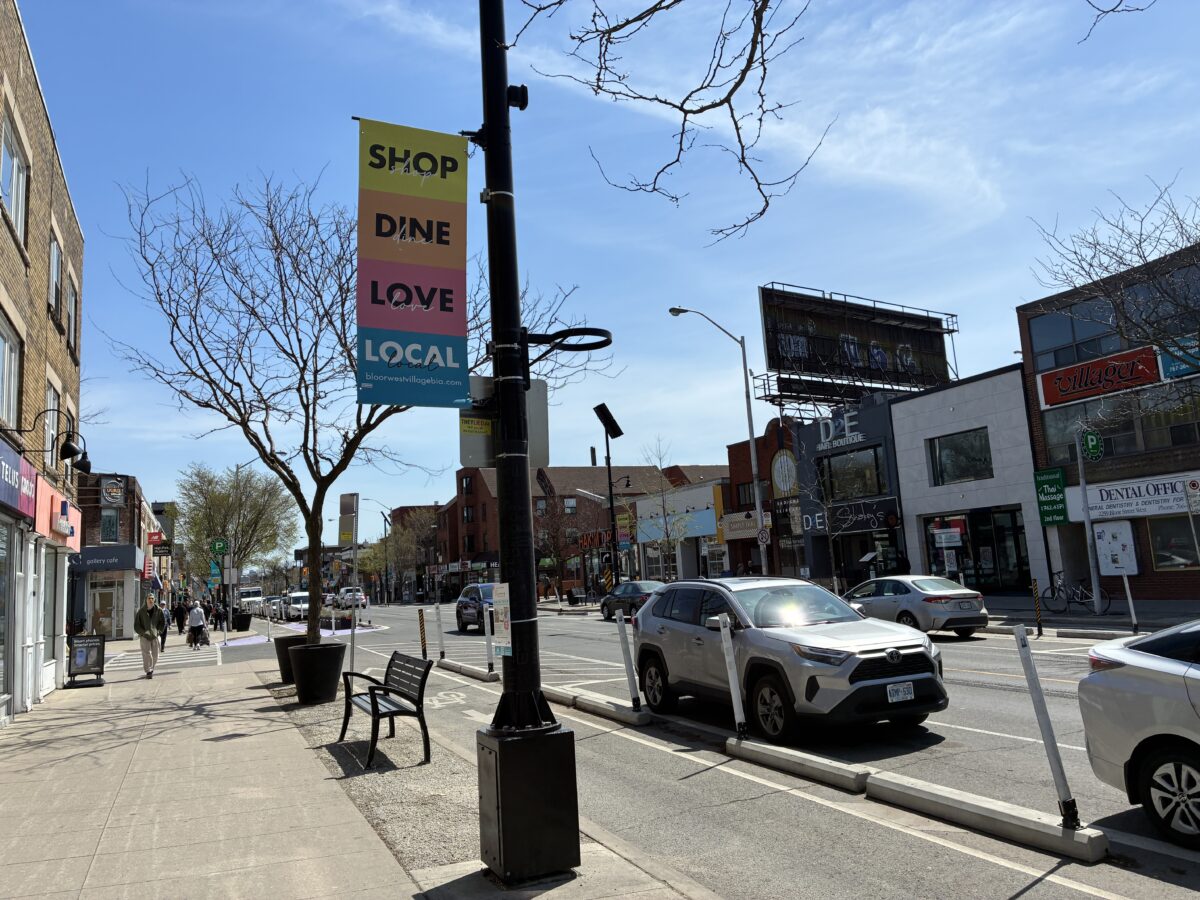
Tourism in Toronto is concentrated in the downtown core and established districts. The plan says so directly. Many culturally rich neighbourhoods remain under-visited despite offering experiences that reflect the most genuinely diverse city in North America.
“Take Scarborough,” Weir says. “You have the zoo, world-class educational institutions, the Guild, and one of the most diverse and compelling culinary scenes anywhere in the city. The ingredients are absolutely there. What visitors need is the connective tissue. Better transit access, a clearer sense of where to go and what to do, and the supporting amenities like hotels and dining clusters that make a full visit possible.”
The plan calls for a Hotel Investment Attraction Strategy that targets development not just in the core but in areas like Scarborough and North York, where accommodation supply lags well behind the visitor experience already on offer.
“Visitors make destination choices based on clustering,” he says. “They go to Yorkville because they can visit the ROM, walk to the Bata Shoe Museum, have a great meal and explore the neighbourhood, all in the same trip. Each experience reinforces the others. And I would add time to that. It is also about going on a specific day because a particular event or programming is on. It is about a confluence of attractors in the same time and space. That philosophy can help develop other neighbourhoods across the city.”
“We need to make sure that our most visited districts are even better, even stronger, even more visitor-ready,” Weir says. “And on top of that, we need to be building a pipeline of what is new and what is next. For some neighbourhoods, the goal might not be 52-week tourism right out of the gate. Maybe it starts with a couple of really strong weekends built around something compelling. You prove the concept, build the audience and grow it from there.”
The plan formalizes this through a Destination Districts framework, a coordinated system through which City divisions, Destination Toronto and BIAs activate branding, public realm upgrades, enhanced wayfinding and nighttime programming whenever a district is designated.
The Gaps That Are Costing Toronto Right Now
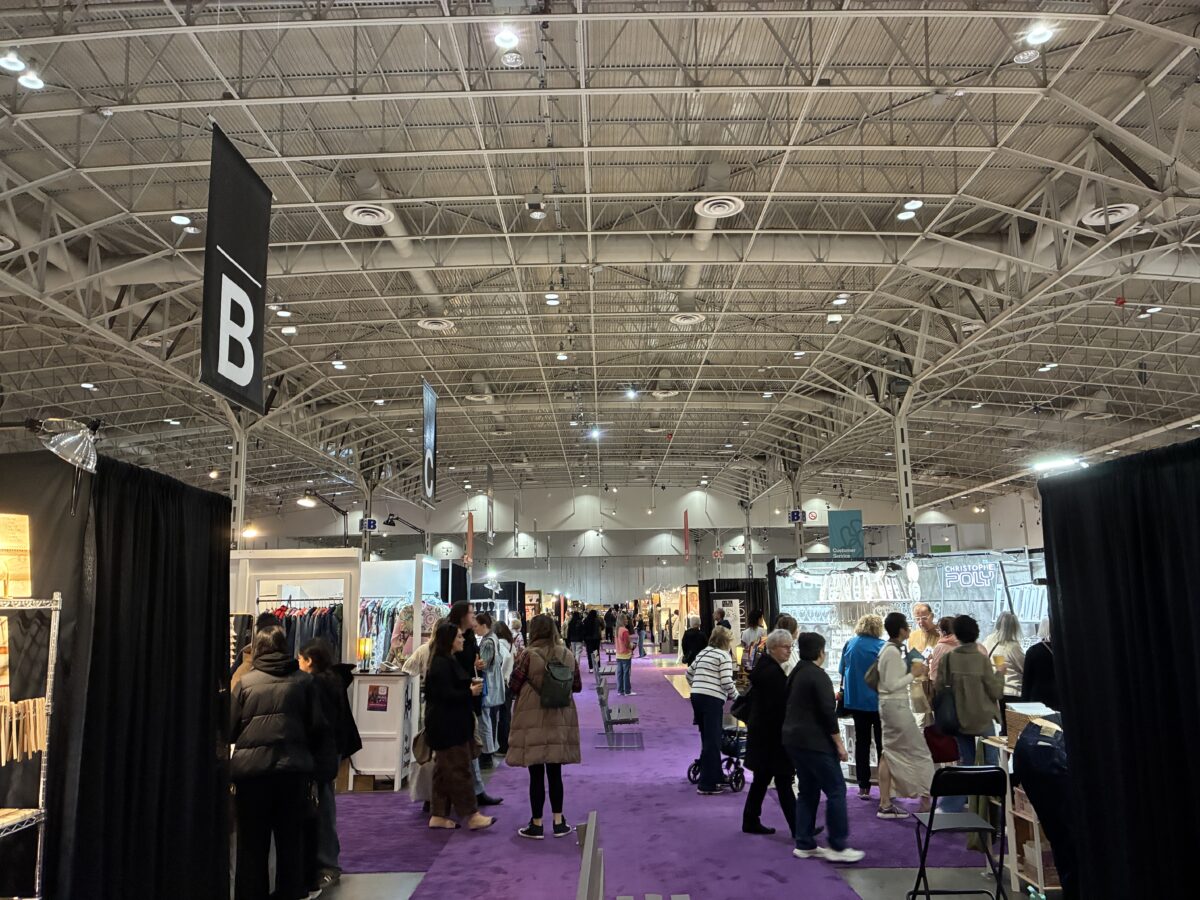
“We are losing convention market share to US cities that have already invested in modern facilities with adjacent headquarter hotels,” Weir says. “Without a serious plan for convention infrastructure expansion, that gap grows every year.”
Toronto is constrained by limited venue capacity and a lack of convention centre adjacent lodging while US cities pull ahead with expanded infrastructure and stronger incentives. The plan calls for a next-generation convention centre, a surrounding vibrant district and dedicated funding tools to make it possible.
Toronto also ranks thirteenth among peer cities in sports venue capacity. That ranking is a ceiling on the city’s ability to attract the global-scale events that generate economic activity across every sector and put Toronto in front of international audiences.
“Some of the most impactful changes do not require building anything,” Weir says. “They require policy changes. Enabling wider use of patios, opening up more public space for performance and cultural activation, improving lighting and cleanliness in our key visitor areas. Those things can start lifting the visitor experience almost on day one.”
The plan identifies Old City Hall as a priority site for a future iconic cultural hub or visitor attraction, and calls for a Pedestrian Priority Corridor Feasibility Study to evaluate candidate streets for year-round pedestrianization. The Market Street seasonal closure pilot is the proof of concept it builds on.
“We need to get moving on pedestrianizing at least one major street,” Weir says. “It will take a few years to fully realize. But there is absolutely no reason the work cannot begin now. Let’s get going on some of those big swings so that they take eight or ten years, not thirty.”
What Makes This Different
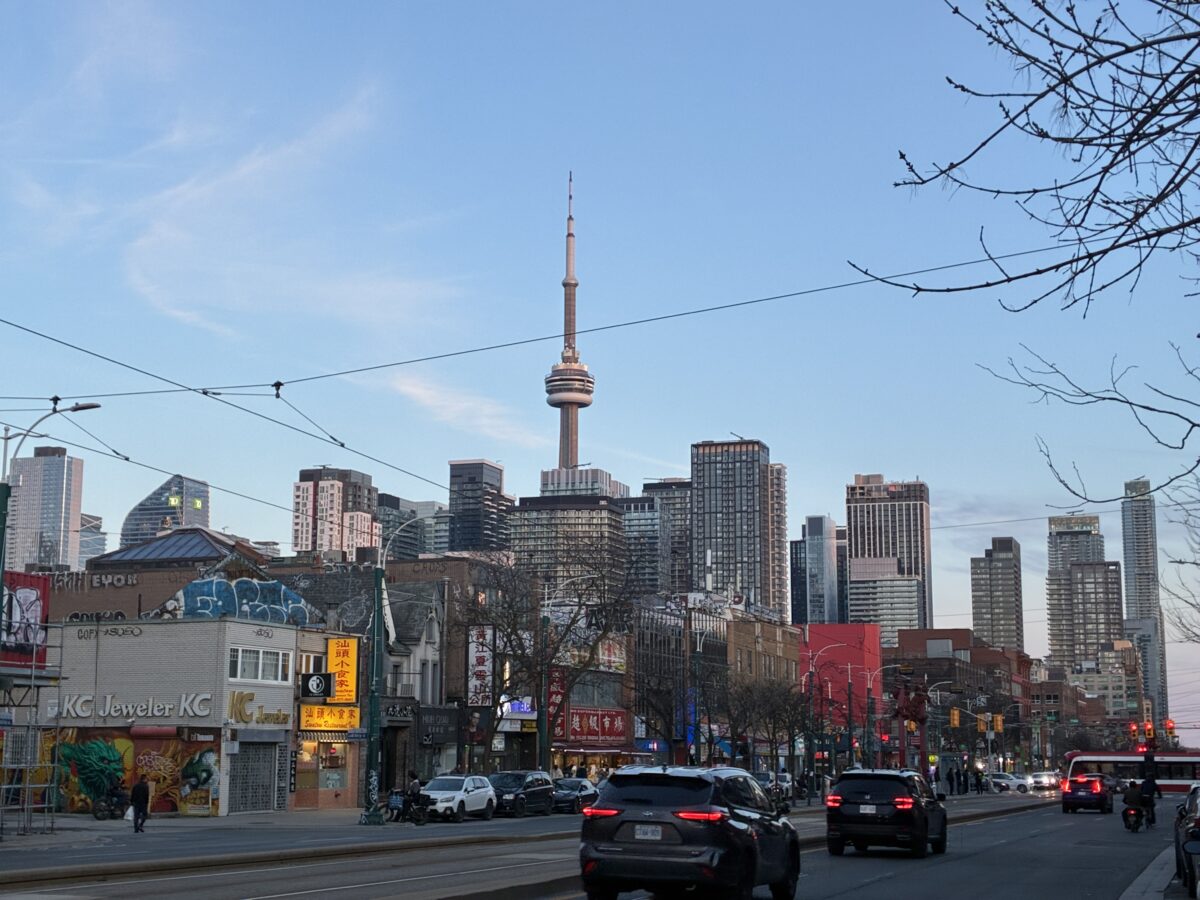
Plans have been written before.
“The biggest change over the last number of years is the deepening of an understanding of why the visitor economy matters,” Weir says. “What is more appreciated now is what tourism contributes beyond the immediacy of visitor spending. As more and more leaders throughout the community, in the public sector and the private sector, embraced that notion, it opened the door to ask a different question. If we really get this right over the next ten years, what will it look like? That is what this plan is answering.”
More than 400 organizations participated in building it across 40 one-on-one interviews, 19 focus groups, 9 visioning workshops and an industry survey generating more than 580 responses. The Steering Committee includes the Greater Toronto Hotel Association, TIFF, Mirvish Productions, the Toronto Zoo, the Metro Toronto Convention Centre, Oxford Properties, Maple Leaf Sports and Entertainment, Waterfront Toronto, Pride Toronto, the Toronto Region Board of Trade and the City of Toronto.
That is not a list of organizations that typically sit around the same table.
“This plan was built collectively,” Weir says. “It reflects a city-wide view not only of the opportunity but of the path to seize that opportunity. Because it was built that way, it belongs to the whole community. That is what makes it different from everything that came before it.”
For the operators paying attention now, the message is clear. Toronto is about to invest deliberately and systematically in the conditions that bring more people into this city, move them through it more easily and give them more reasons to spend across more of its neighbourhoods, corridors and businesses. The window to position for that is open now.
The Toronto Destination Master Plan is available in full at DestinationToronto.com/research.

Dustin Fuhs is the founder and Editor-in-Chief of 6ix Retail, Toronto’s premier source for retail and hospitality industry news. As the former Editor-in-Chief of Retail Insider, Canada’s most-read retail trade publication, Dustin brings over two decades of expertise spanning retail, marketing, entertainment and hospitality sectors. His experience includes roles with industry giants such as The Walt Disney Company, The Hockey Hall of Fame, The Canadian Opera Company, Starbucks Canada and Blockbuster.
Recognized as a RETHINK Retail Top Retail Expert in 2024, 2025 and 2026, Dustin delivers insider perspectives on Toronto’s evolving retail landscape, from emerging brands to established players reshaping the city’s commercial districts.